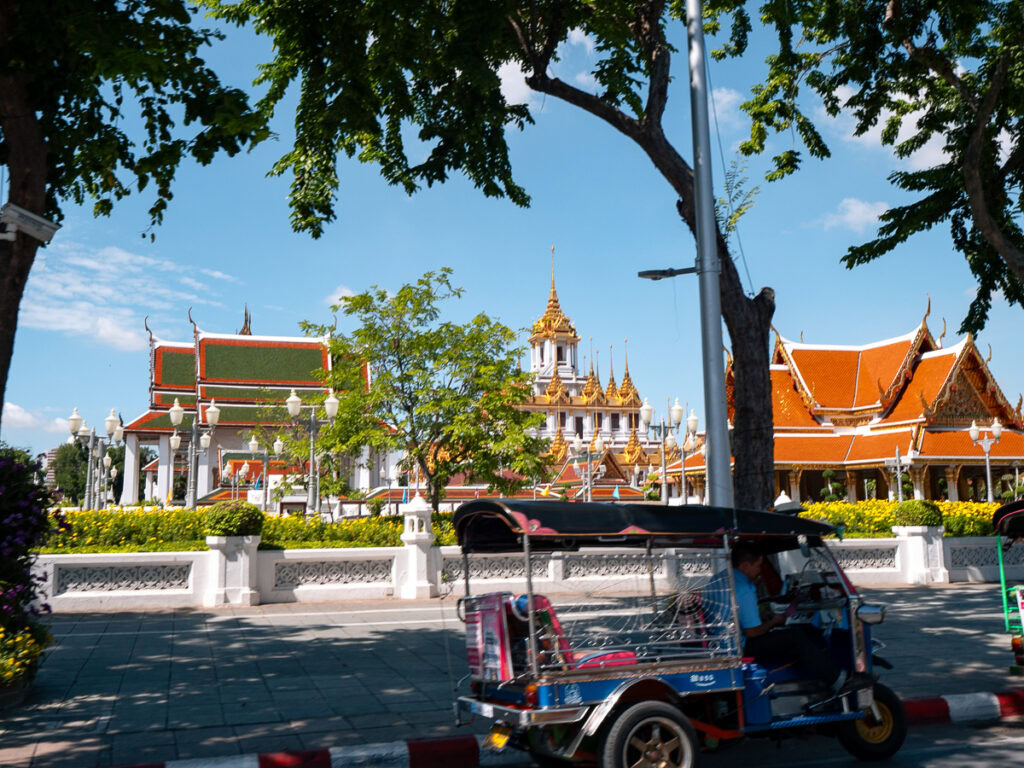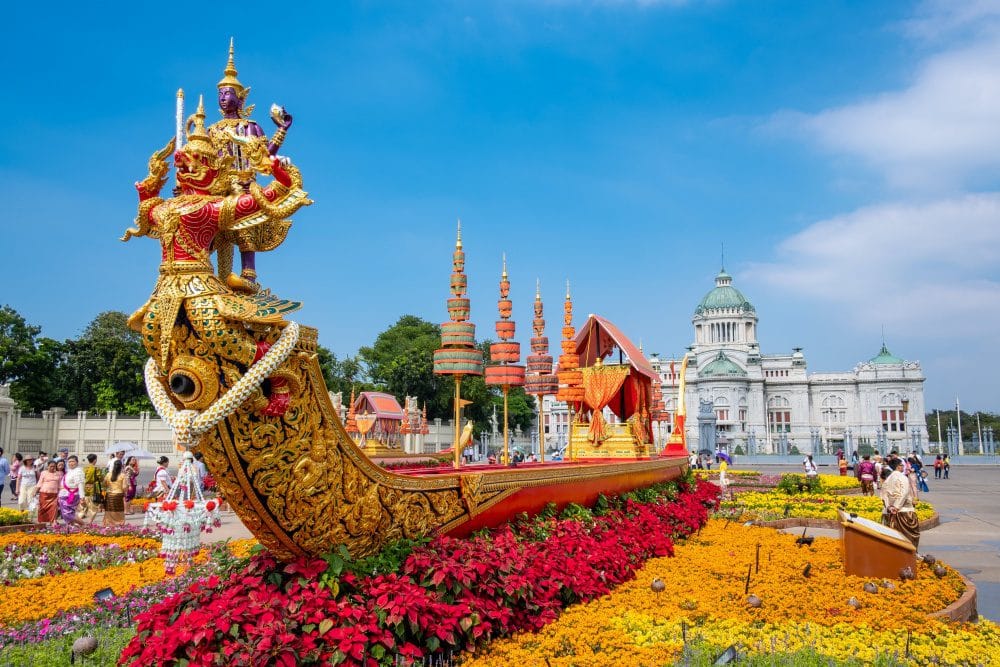
Planning your first Bangkok adventure with your family? Thailand’s vibrant capital blends ancient temples with modern energy, creating an intoxicating cultural cocktail. For newcomers, navigating this sprawling metropolis can feel overwhelming. This guide curates the 13 best places to visit in Bangkok for first timers, prioritizing accessibility, cultural significance, and unforgettable experiences. From glittering palaces to floating markets, we focus on attractions that showcase authentic Thai heritage without overwhelming travel novices. You’ll discover serene Buddhist temples, bustling shopping districts, lush green spaces, and culinary hotspots perfect for initial exploration. These carefully selected sites offer manageable itineraries, clear transportation options, and immersive cultural encounters that form the perfect Bangkok first time itinerary. Whether you have three days or a week, this list ensures you experience Bangkok’s essence while building travel confidence.
The Grand Palace & Wat Phra Kaew
The Grand Palace stands as Bangkok’s most iconic landmark and an absolute must-see for first-time visitors. Built in 1782, this sprawling complex served as the official residence of Thai kings for over 150 years. Within its white walls lies Wat Phra Kaew, the Temple of the Emerald Buddha, housing Thailand’s most sacred religious icon – a 66cm tall jade Buddha statue meticulously carved from a single block of jade. The visual spectacle is breathtaking: golden chedis shimmer under the sun, intricate murals depict the Ramakien epic, and mythical guardian statues stand watch. Allow at least 3 hours to fully appreciate the craftsmanship and spiritual significance. Early morning visits help avoid both crowds and intense heat.
Beyond its beauty, the Grand Palace embodies Thailand’s national identity. The architecture showcases distinct Thai styles blended with Khmer and European influences, symbolizing the kingdom’s historical interactions. Notice the ornate Phra Thinang Chakri Maha Prasat throne hall, which uniquely combines a Thai roof with a neoclassical base. This juxtaposition represents King Rama V’s vision of modernizing Thailand while honoring its traditions. The complex remains a working religious site, so respectful attire (covering shoulders and knees) is strictly enforced.
- Opening Hours: Daily 8:30 AM – 3:30 PM
- Entry Fee: 500 THB (includes Wat Phra Kaew)
- Dress Code: Strictly enforced (no shorts, sleeveless tops, or see-through clothing)
- Prime Photo Spot: The terrace overlooking the Emerald Buddha temple complex
- Nearby Gem: Wat Pho is just a 10-minute walk south
Wat Arun (Temple of Dawn)
Wat Arun, majestically rising on the west bank of the Chao Phraya River, offers one of Bangkok’s most photogenic skylines. Despite its name “Temple of Dawn,” it’s arguably most stunning at sunset when its central prang (tower) glows against colorful skies. The 70-meter-high Khmer-style spire is decorated with millions of hand-laid porcelain fragments salvaged from 19th-century Chinese trading ships. Climbing the steep stairs rewards visitors with panoramic river views. Unlike many temples, Wat Arun’s aesthetic is uniquely bold and intricate, featuring floral patterns, mythical creatures (Kinnari), and statues of the Buddha at key compass points.
The temple’s history is deeply intertwined with Thai royalty. After the fall of Ayutthaya in 1767, King Taksin arrived here at dawn and later established the short-lived Thonburi Kingdom, making Wat Arun the royal temple. Though the capital moved across the river, Wat Arun retained significance. The central prang symbolizes Mount Meru, the cosmic center of Buddhist and Hindu cosmology. Exploring the smaller satellite towers and ordination hall reveals exquisite mural paintings and Buddha images. Arriving via Chao Phraya Express Boat (Tha Tien Pier) enhances the experience, offering classic waterfront approaches.
- Iconic Feature: 70m central prang encrusted in Chinese porcelain
- Best Time to Visit: Late afternoon for sunset views (around 5:30 PM)
- Entry Fee: 100 THB
- Transport Tip: Take cross-river ferry from Wat Pho (3 THB) or tourist boat
- Photography Note: The riverside offers perfect reflection shots during high tide
Wat Pho (Temple of the Reclining Buddha)
Home to Bangkok’s largest Buddha statue, Wat Pho dazzles visitors with its 46-meter-long, gold-leaf-covered Reclining Buddha. This magnificent image represents Buddha entering Nirvana, with mother-of-pearl inlaid eyes and feet displaying 108 auspicious symbols. Beyond this showstopper, Wat Pho is Thailand’s oldest temple (founded pre-Bangkok era) and serves as the birthplace of traditional Thai massage. The temple complex spans 80 acres with over 1,000 Buddha images, making it Bangkok’s largest temple. Four majestic chapels surround the main bot (ordination hall), each housing important Buddha figures.
Wat Pho functions as a living center for Thai traditional medicine and massage. The onsite massage school offers affordable treatments (starting at 420 THB/hour) and training courses. Murals throughout the complex illustrate energy lines and pressure points used in Thai healing arts. Don’t miss the four towering chedis dedicated to the first four Chakri kings, decorated in gorgeous green, yellow, blue, and white mosaic tiles. The temple grounds also feature Chinese guardian statues and stone sculptures gifted by trading partners, reflecting Bangkok’s historic cosmopolitanism.
- Star Attraction: 46m Reclining Buddha (15m high)
- Massage School: Open daily 8 AM – 6:30 PM (book early)
- Entry Fee: 200 THB
- Coin Tradition: Drop 108 coins in bronze bowls for good luck (change available)
- Location: Directly south of The Grand Palace
Chatuchak Weekend Market
Immerse yourself in Thai market culture at Chatuchak, one of the world’s largest weekend markets. With over 15,000 stalls spread across 35 acres, this labyrinthine bazaar offers everything imaginable: handcrafted souvenirs, vintage clothing, local artwork, exotic plants, ceramics, and mouthwatering street food. First-timers should grab a map at information booths near Gates 1, 2, or 3. Key sections include Section 7 (handicrafts), Section 8 (antiques/collectibles), and Section 22-26 (plants/pets). Navigating the alleys feels like a treasure hunt – you’ll find unique keepsakes unavailable elsewhere.
The market’s energy peaks between 10 AM and 2 PM. Fuel your exploration with iconic Thai snacks: coconut ice cream in a shell, grilled squid on a stick, mango sticky rice, and fresh fruit smoothies. Bargaining is expected (start at 60% of asking price), though fixed prices appear in some artisanal shops. Wear comfortable shoes, carry cash (ATMs available but charge fees), and stay hydrated. Section 17’s covered food court offers air-conditioned respite and clean toilets. For a strategic approach, take the BTS Skytrain to Mo Chit Station (Exit 1) or MRT to Chatuchak Park Station.
- Open Days: Saturdays & Sundays (9 AM – 6 PM), Fridays (6 PM – 12 AM for wholesale)
- Must-Try Food: Thai coconut pancakes (Kanom Krok) in Section 26
- Bargaining Tip: Smile and negotiate politely; walk away if prices don’t suit
- Heat Strategy: Visit early morning or late afternoon; use shaded alleys
- Unique Find: Handmade soaps shaped like Thai fruits in Section 24
Chao Phraya River Cruise
Experience Bangkok’s “River of Kings” with a scenic Chao Phraya River cruise. This aquatic highway offers unparalleled perspectives of the city’s skyline, historic waterfront communities, and major landmarks like Wat Arun and the Grand Palace. Choose between affordable public ferries (Chao Phraya Express Boat), tourist hop-on-hop-off services, or private long-tail boats. The Orange Flag Line (15 THB) runs daily until 7 PM, stopping at key piers including N1 (Oriental), N8 (Tha Tien for Wat Pho), and N9 (Tha Chang for Grand Palace).
For deeper cultural immersion, book a long-tail boat tour through Bangkok’s khlongs (canals). These narrow waterways reveal “Venice of the East” scenery: wooden stilt houses, neighborhood temples, and local life unfolding along water’s edge. The Thonburi side offers particularly atmospheric routes. Sunset cruises showcase landmarks illuminated against twilight skies. Some dinner cruises provide buffet meals with traditional dance performances. Whether opting for budget-friendly transport or a curated tour, the river provides essential context for understanding Bangkok’s geography and history as a trading port.
- Public Transport: Orange Flag Line (most frequent), Tourist Boat (single trip 60 THB)
- Iconic Experience: Long-tail boat canal tour (1-2 hours, 500-1000 THB/person)
- Photography Tip: Sit on boat’s right side heading upstream for best temple views
- Key Pier: Sathorn Pier (Taksin Bridge) connects to BTS Skytrain
- Evening Option: Dinner cruises depart from River City Pier (N3)
Damnoen Saduak Floating Market
Though slightly outside Bangkok (90-minute drive), Damnoen Saduak remains Thailand’s most famous floating market and a bucket-list experience. Early arrival (7-9 AM) captures peak activity: wooden paddle boats laden with tropical fruits, steaming noodle bowls, and colorful souvenirs navigate narrow canals while vendors skillfully exchange goods. While touristy, it authentically preserves a traditional Thai marketplace format. Hire a paddle boat (150-200 THB/person) to navigate the main canal, or explore walkways and bridges for elevated views and land-based stalls.
Beyond souvenir shopping, savor freshly cooked Thai specialties from boat kitchens. Try pad thai cooked in a wok aboard a sampan, sweet sticky rice grilled in bamboo tubes, or coconut sugar candies. The market originated in 1866 under King Rama IV’s orders to facilitate local trade via interconnected canals. For a less crowded alternative within Bangkok, consider Amphawa Floating Market (open evenings Fri-Sun) or Taling Chan Floating Market (weekends only). Combine with visits to nearby coconut sugar farms or salt fields for deeper cultural context.
- Location: Ratchaburi Province (100km southwest of Bangkok)
- Operating Hours: Daily 7 AM – 12 PM (best before 10 AM)
- Tour Options: Half-day tours include hotel pickup (starts around 6 AM)
- Must-Taste: Boat-fried bananas (Kluay Khaek) and mangoes with sticky rice
- Cultural Tip: Bargain gently; most items are reasonably priced
Jim Thompson House
Discover Thai architectural beauty at the Jim Thompson House, a serene museum complex celebrating the American entrepreneur who revitalized Thailand’s silk industry post-WWII. Thompson assembled six traditional teakwood houses from various regions, creating a stunning ensemble showcasing vernacular craftsmanship. Wander through antique-filled rooms displaying his Southeast Asian art collection: Buddhist statues, Bencharong porcelain, and Burmese carvings. Lush tropical gardens with lotus ponds provide tranquil respite from city bustle.
The site doubles as a cultural center preserving Thai textile traditions. Demonstrations highlight natural dye processes and hand-weaving techniques Thompson championed. His mysterious 1967 disappearance in Malaysia adds intrigue. The onsite shop sells exquisite silk scarves, garments, and accessories benefiting local artisans. Guided tours (included in ticket) offer fascinating insights into Thompson’s life and Thai aesthetics. Located near Siam BTS station, this oasis combines culture, history, and design – perfect for art-loving travelers seeking Bangkok sightseeing beyond temples.
- Operating Hours: Daily 10 AM – 6 PM (last entry 5 PM)
- Entry Fee: 200 THB (includes guided tour)
- Tour Frequency: Every 20 minutes in multiple languages
- Silk Shop: High-quality products supporting Thai weavers
- Location: Off Rama I Road, near National Stadium BTS
Lumphini Park
Find urban tranquility at Lumphini Park, Bangkok’s answer to Central Park. Named after Buddha’s birthplace in Nepal, this 142-acre green space offers lakes, walking paths, and shaded lawns where locals practice tai chi at dawn, jog at dusk, and picnic on weekends. Rent swan paddle boats (50 THB/30 mins), join free outdoor aerobics classes (6-7 PM), or simply observe monitor lizards basking near water edges. The park hosts cultural events and concerts at its Sala (pavilion).
Designed in 1920s by King Rama VI, Lumphini provides essential breathing room in dense Bangkok. Early mornings (6-8 AM) showcase Thai wellness culture: groups practice yoga, martial arts, and group dances. Weekends bring families, street performers, and food vendors selling iced drinks and snacks. Strategically located between Silom and Sathorn business districts, it’s easily accessible via MRT Silom or Lumphini stations. This verdant escape proves essential for first-timers needing respite from sensory overload.
- Best Times: Early morning (cool temperatures, local activities) or late afternoon
- Free Activities: Public tai chi, aerobics, and dance sessions
- Wildlife: Observe monitor lizards (do not feed!) and diverse bird species
- Facilities: Public toilets, outdoor gym equipment, children’s playground
- Evening Tip: Street food vendors gather near Witthayu Road gates at dusk
Erawan Museum
Marvel at the breathtaking Erawan Museum, renowned for its colossal three-headed elephant statue towering 29 meters high. This architectural wonder houses an eclectic collection of Asian antiquities across three levels symbolizing the underworld, earth, and heaven. Enter through the elephant’s legs to explore the basement’s Chinese vases and Khmer artifacts. The ground floor showcases religious art within a stained-glass rotunda inspired by Hindu-Buddhist cosmology. Ascend to the top level inside the elephant’s belly to see priceless Buddha statues under a celestial blue dome.
Built by Thai businessman Lek Viriyaphant (who also created Ancient Siam), the museum blends spiritual symbolism with artistic vision. The surrounding gardens feature mythical sculptures and tranquil ponds. Each architectural element carries meaning: the elephant represents Airavata from Hindu mythology, while the pink structure symbolizes the human body. Located in Samut Prakan province (accessible via BTS to Kheha Station + short taxi), this site offers Instagram-worthy photography and profound cultural insight beyond typical tourist circuits.
- Iconic Structure: 29m bronze three-headed elephant statue
- Symbolic Levels: Basement (underworld), Main Floor (earth), Elephant Belly (heaven)
- Transport: BTS to Kheha Station (Exit 1), then taxi (approx. 10 mins)
- Entry Fee: 400 THB (includes audio guide)
- Photography: Tripods require permit; drone photography prohibited
Bangkok National Museum
Delve into Thailand’s rich heritage at the Bangkok National Museum, Southeast Asia’s largest museum. Housed within the former 18th-century Wang Na Palace, its extensive collections span prehistoric artifacts to contemporary art. Key galleries include Thai History (featuring Ramkhamhaeng’s Inscription Stone), Art History (Buddhist sculptures from Dvaravati to Rattanakosin periods), and Decorative Arts showcasing royal regalia, ceramics, and traditional masks. The Red House displays Princess Sri Sudarak’s teakwood residence with original furnishings.
First-timers should prioritize the stunning Buddhaisawan Chapel, featuring Phra Phuttha Sihing (a revered Sukhothai-era Buddha image) and exceptional mural paintings depicting the Buddha’s life. Free guided tours in English (Wednesdays & Thursdays at 9:30 AM) provide essential context. Located near Sanam Luang and Thammasat University, the museum complex itself represents fine Thai architecture with courtyards and pavilions. Allow 3-4 hours for meaningful exploration of Thailand’s artistic evolution and cultural identity.
- Operating Days: Wednesday – Sunday (9 AM – 4 PM)
- Entry Fee: 200 THB (free for Thai nationals)
- Free Tours: English tours Wednesday & Thursday at 9:30 AM
- Must-See: Buddhaisawan Chapel and Royal Funeral Chariots Gallery
- Location: Na Phra That Road, opposite Sanam Luang
Wat Saket (Golden Mount)
Climb the Golden Mount at Wat Saket for panoramic 360-degree views of Bangkok’s historic district. This artificial hill, crowned by a gleaming golden chedi, was constructed under King Rama III to prevent a collapsed stupa from sinking into marshy ground. Ascend 318 steps through tranquil gardens with wind chimes, Buddha statues, and shaded resting points. The summit reveals sweeping vistas stretching from the Grand Palace to modern skyscrapers, especially breathtaking at sunset.
The temple hosts Bangkok’s largest temple fair during Loy Krathong festival (November), transforming into a carnival with food stalls and performances. Inside the golden chedi rests a Buddha relic gifted from India. Unlike many temples, Wat Saket offers a contemplative atmosphere with fewer crowds. Its central location near Democracy Monument makes it easily combinable with nearby Rattanakosin Island sights. Bring water for the climb and coins for offering bowls lining the staircase – each donation rings a bell, creating a melodic ascent.
- Height: 77 meters above sea level
- Entry Fee: 50 THB
- Best Timing: Late afternoon for cooler temperatures and sunset views
- Architectural Note: Combines Ayutthaya-style base with Rattanakosin-era chedi
- Nearby Combo: Pair with Democracy Monument & Wat Ratchanatdaram
Ancient City (Mueang Boran)
Embark on a time-travel adventure at Ancient City (Mueang Boran), the world’s largest outdoor museum. Spanning 320 acres shaped like Thailand’s map, it features over 120 meticulously reconstructed historical structures from different eras and regions. Highlights include the former Grand Palace of Ayutthaya, Khmer-style temples mimicking Phimai, and southern stilted houses. Though located in Samut Prakan (45 mins from central Bangkok), it offers unparalleled context for understanding Thai architecture and cultural diversity.
Explore by tram, bicycle rental (50 THB), or private golf cart. Don’t miss the iconic Samut Prakan Prasat (a floating pavilion) and the enormous Buddha head entwined in Bodhi tree roots, inspired by Ayutthaya’s iconic ruin. The park provides scale replicas of lost or inaccessible treasures, like Sukhothai’s royal throne hall. Informative plaques explain each structure’s historical significance. Wear comfortable shoes, bring sunscreen, and allocate 4-5 hours for comprehensive exploration. This immersive experience complements visits to actual historic sites by providing comparative architectural education.
- Transport: BTS to Kheha Station + taxi (approx. 15 mins)
- Entry Fee: 700 THB (includes tram tour)
- Bike Rental: 50 THB for 4 hours (ideal for flexibility)
- Must-See Replicas: Sanphet Prasat Palace & Phra That Phanom Chedi
- Photography Tip: Early arrival provides soft light and fewer crowds
Pak Khlong Talat (Flower Market)
Awaken your senses at Pak Khlong Talat, Bangkok’s bustling 24-hour flower market near Memorial Bridge. This vibrant wholesale hub offers astonishing floral diversity: fragrant jasmine garlands (phuang malai), marigolds for temple offerings, orchids in rainbow colors, and elaborate funeral wreaths. Peak activity occurs late evening (10 PM – 2 AM) when deliveries arrive from provinces, transforming streets into kaleidoscopic rivers of blossoms. Vendors expertly string flowers into intricate arrangements used in Thai rituals.
Beyond blooms, discover adjacent sections selling vegetables, fruits, and temple supplies like monk robes and alms bowls. The market’s energy showcases Thai commerce at its most dynamic. Sample fresh coconut juice or tropical fruits from nearby stalls. For photography enthusiasts, the pre-dawn hours provide dramatic scenes of workers sorting flowers under artificial lights. Located along the Chao Phraya River, combine with night-time river cruises. This authentic local experience reveals the floral backbone of Thai religious and cultural traditions.
- Peak Hours: 10 PM – 5 AM (wholesale activity); daytime for retail
- Cultural Insight: Observe making of phuang malai (offering garlands)
- Photo Etiquette: Ask permission before photographing vendors closely
- Location: Chak Phet Road, near Memorial Bridge (Saphan Phut)
- Nearby Attraction: Wat Pho (10-min walk) for early morning temple visits
First-Timer Bangkok Itinerary Tips
Optimize your Bangkok first time itinerary with these strategic suggestions. Day 1: Historic Core – Start early at The Grand Palace & Wat Phra Kaew (8:30 AM opening), then walk to Wat Pho. Cross the river for Wat Arun sunset views. Day 2: Markets & Culture – Visit Jim Thompson House in morning, explore Siam shopping malls midday (air-conditioned respite), experience Chatuchak Market Saturday afternoon. Day 3: Local Experiences – Chao Phraya river cruise morning, Pak Khlong Talat flower market evening. Bonus Day: Choose between Erawan Museum or Ancient City for deeper cultural context.
Essential logistics: Use BTS Skytrain and MRT metro to avoid traffic; purchase Rabbit Card for seamless transit. Download Grab app (SE Asia’s Uber) for taxis. Carry small bills (20-100 THB) for street vendors. Dress modestly for temples (carry wrap skirt). Stay hydrated – 7-Eleven stores sell cheap bottled water everywhere. Most importantly: embrace sanuk (fun) spirit when plans change. Bangkok rewards flexible travelers with unexpected delights around every corner.
- Temple Etiquette: Shoulders/knees covered; remove shoes before entering buildings
- Transport Savvy: BTS/MRT operate 6 AM – midnight; river boats until 7 PM
- Heat Management: Schedule outdoor activities mornings/evenings; museums midday
- Cash Needs: Most markets/temples/street food require cash (ATMs widely available)
- Connectivity: Buy local SIM at airport (AIS/DTAC/TrueMove) for navigation
Exploring these 13 best places to visit in Bangkok for first timers provides a comprehensive introduction to Thailand’s capital. From glittering temples to vibrant markets, each destination offers unique insights into Thai culture, history, and daily life. Remember that Bangkok’s true magic lies beyond checklists – in spontaneous alleyway discoveries, unexpected street food gems, and warm interactions with locals. Use this guide as your foundation, then wander curiously. The city will reveal its layered charms to those who approach it with patience and open senses.