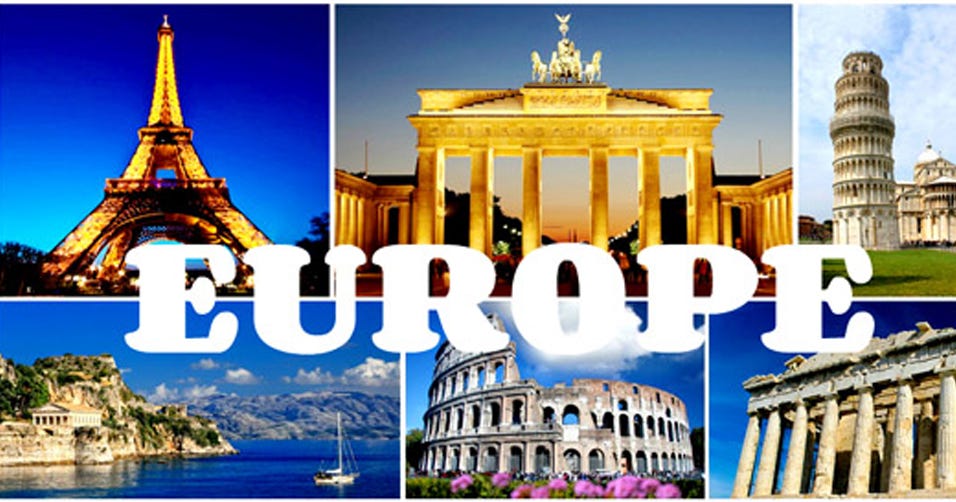
Studying abroad in Europe presents unparalleled opportunities to explore diverse cultures while pursuing academic goals. This guide reveals essential destinations that blend educational value with transformative travel experiences for student travelers. I’ve curated 19 best places to visit when studying abroad in europe offering affordable access to historical landmarks, artistic treasures, and cultural immersion points – all easily accessible via Europe’s efficient student rail networks.
Balancing academic responsibilities with exploration requires strategic planning. The following European study abroad destinations deliver maximum cultural enrichment within student budgets. From ancient archaeological sites to Renaissance masterpieces, these locations provide living classrooms where history textbooks come alive. Discover how weekend trips can complement your coursework while creating lifelong memories across the continent’s most student-friendly European cities.
Florence, Italy
As the cradle of the Renaissance, Florence delivers unparalleled artistic immersion for art history and humanities students. Walk the same cobblestone streets as Michelangelo and Da Vinci while studying masterpieces at the Uffizi Gallery. The city’s compact size makes all major sites walkable from the historic center.
Cross the Ponte Vecchio at sunset for breathtaking Arno River views before visiting the iconic Duomo. Affordable panini shops near university campuses provide authentic Tuscan flavors without straining student budgets. Florence’s central location enables easy day trips to Siena and Pisa via regional trains.
- Must-see: Michelangelo’s David at Accademia Gallery
- Budget tip: Free admission to Cathedral of Santa Maria del Fiore
- Academic connection: Renaissance art history context
- Transport: Walkable historic center + regional trains
Prague, Czech Republic
This fairy-tale city offers well-preserved Gothic architecture at Central European prices. The Astronomical Clock’s medieval engineering fascinates STEM students, while literature enthusiasts trace Franz Kafka’s footsteps. Charles University’s historic campus hosts numerous exchange programs.
Explore Prague Castle complex during morning hours to avoid crowds, then enjoy panoramic views from Petřín Hill. The city’s efficient public transport system includes student-discounted passes. Czech cuisine features hearty, affordable dishes perfect for budget-conscious scholars.
- Must-see: Charles Bridge at sunrise
- Budget tip: Student-priced museum admissions
- Academic connection: Medieval engineering case studies
- Transport: Integrated metro/tram system
Berlin, Germany
Modern history comes alive in Germany’s capital where Cold War remnants and transformative memorials create powerful learning environments. The East Side Gallery preserves original Berlin Wall segments adorned with political art, while Museum Island offers world-class collections.
Berlin’s student-friendly hostels and €9 regional train tickets make exploration affordable. The city’s startup ecosystem provides networking opportunities for business students. Numerous English-language tours explain pivotal WWII and Cold War sites with academic depth.
- Must-see: Brandenburg Gate illumination
- Budget tip: Free walking tours (tip-based)
- Academic connection: 20th century history case study
- Transport: Extensive U-Bahn network
Edinburgh, Scotland
Scotland’s capital combines dramatic landscapes with scholarly heritage. The University of Edinburgh’s historic grounds inspired Harry Potter locales, while Arthur’s Seat provides panoramic hiking within city limits. The annual Fringe Festival transforms the city into a global arts stage every August.
Explore the Royal Mile’s hidden closes (medieval alleyways) leading to independent bookshops and traditional pubs (non-alcoholic options available). Student discounts abound at Edinburgh Castle and Holyrood Palace. The compact city center encourages walking between academic institutions and cultural sites.
- Must-see: Calton Hill city views
- Budget tip: Free National Museum of Scotland
- Academic connection: Enlightenment history tours
- Transport: Walkable Old Town + buses
Athens, Greece
Walk through millennia of Western civilization where philosophy and democracy were born. The Acropolis stands as the ultimate open-air classroom for classics and political science students. Modern Athens contrasts ancient sites with vibrant street art and affordable Mediterranean dining.
Visit the Ancient Agora where Socrates taught, then explore the Plaka neighborhood’s Byzantine churches. The €30 multi-site ticket provides five-day access to major archaeological sites. Off-peak seasons offer cooler temperatures and smaller crowds for optimal study conditions.
- Must-see: Parthenon at golden hour
- Budget tip: Half-price student site admissions
- Academic connection: Classical civilization studies
- Transport: Efficient metro to Piraeus port
Seville, Spain
Andalusian culture shines in this sun-drenched city where flamenco rhythms fill historic plazas. The world’s largest Gothic cathedral houses Christopher Columbus’ tomb, while the Alcázar’s Moorish architecture reveals Islamic influences on European design.
Spring visits coincide with orange blossom season and pleasant temperatures perfect for exploring Barrio Santa Cruz’s winding streets. Affordable tapas culture allows students to sample diverse Spanish cuisine. The city’s bike-share program provides economical transportation between universities and cultural sites.
- Must-see: Plaza de España tilework
- Budget tip: Free entry to historic university buildings
- Academic connection: Islamic-European cultural fusion
- Transport: Bike-friendly + tram system
Vienna, Austria
Imperial grandeur meets contemporary creativity in Europe’s classical music capital. The MuseumsQuartier complex houses both Baroque masterpieces and modern installations, satisfying diverse artistic interests. Coffeehouse culture provides perfect study environments amid historic settings.
Student opera tickets offer unprecedented access to Wiener Staatsperformances at fraction of standard prices. The Naschmarkt’s international food stalls cater to diverse palates and budgets. Vienna’s central location enables day trips to Bratislava via high-speed boat on the Danube.
- Must-see: Schönbrunn Palace gardens
- Budget tip: Standing-room opera tickets
- Academic connection: Music history immersion
- Transport: Comprehensive U-Bahn network
Kraków, Poland
This well-preserved medieval city offers profound historical lessons at exceptional value. Wawel Castle exemplifies Renaissance architecture while the Kazimierz Jewish district illuminates pre-war cultural heritage. Auschwitz-Birkenau memorial provides solemn learning opportunities accessible via organized study tours.
Pierogi (dumpling) stands offer hearty meals under €3 near the main market square. Jagiellonian University’s Collegium Maius, where Copernicus studied, maintains an academic atmosphere. Free walking tours explain the city’s complex history with student-friendly perspectives.
- Must-see: St. Mary’s Basilica hourly trumpet call
- Budget tip: Affordable museum admissions
- Academic connection: Medieval urban planning
- Transport: Compact historic center + trams
Lisbon, Portugal
Coastal charm meets hilltop vistas in Europe’s second-oldest capital. Pastel-colored buildings and iconic tramlines create unforgettable backdrops for photography students. The Belém district reveals Portugal’s Age of Exploration through UNESCO-listed monuments.
Enjoy legendary pastéis de nata (custard tarts) while overlooking Tagus River. Student discounts apply to major attractions like Jerónimos Monastery. Lisbon’s affordability extends to hostels with Atlantic Ocean views. Nearby Sintra provides fairy-tale castles easily accessible by regional train.
- Must-see: São Jorge Castle sunset views
- Budget tip: €6.50 tram day passes
- Academic connection: Maritime history exploration
- Transport: Historic Tram 28 route
Budapest, Hungary
The “Pearl of the Danube” delights architecture enthusiasts with stunning Parliament buildings and thermal bath complexes. Buda Castle’s hilltop position offers panoramic city views, while ruin pubs (non-alcoholic options available) in Jewish Quarter showcase urban regeneration.
Historic thermal baths like Széchenyi provide relaxation after exams at student rates. The city’s extensive metro system includes continental Europe’s oldest subway line. Hungarian language classes at local universities enhance cultural understanding during extended stays.
- Must-see: Parliament building illumination cruise
- Budget tip: Thermal bath student discounts
- Academic connection: Architectural styles comparison
- Transport: Oldest continental metro system
Copenhagen, Denmark
Scandinavian design and sustainability innovations thrive in this bike-friendly capital. The Nyhavn waterfront’s colorful houses provide iconic photo opportunities, while Freetown Christiania offers unique social experiments. Copenhagen’s culinary scene features affordable open-faced sandwiches.
Extensive bike lanes and rental systems make cycling the optimal transportation between university campuses and cultural sites. The Little Mermaid statue honors Hans Christian Andersen’s literary legacy. Many museums offer free admission days for international students.
- Must-see: Tivoli Gardens seasonal decorations
- Budget tip: Free admission to Christiania
- Academic connection: Urban sustainability models
- Transport: World-class cycling infrastructure
Dublin, Ireland
Literary heritage comes alive in Europe’s friendliest capital. Trinity College’s Long Room library houses the Book of Kells, illuminating medieval manuscript artistry. Georgian squares and Viking history create layered historical narratives within walkable distances.
Traditional music sessions in Temple Bar provide cultural immersion (non-alcoholic venues available). Coastal Howth offers seaside hiking accessible by commuter rail. Student-priced heritage cards provide access to national cultural institutions across Ireland.
- Must-see: Trinity College Old Library
- Budget tip: Free national museum network
- Academic connection: Literary history walking tours
- Transport: DART coastal rail system
Salzburg, Austria
Baroque architecture and Alpine vistas create storybook settings where Mozart composed his earliest works. The Hohensalzburg Fortress dominates the skyline with 900 years of history. Sound of Music filming locations attract cinematic enthusiasts year-round.
Salzburg Card provides discounted access to major attractions including Mozart’s birthplace. The city’s compact size allows comprehensive exploration on foot. Nearby lakeside towns like Hallstatt showcase UNESCO-listed natural beauty via regional transit.
- Must-see: Mirabell Gardens panorama
- Budget tip: Student-priced concert tickets
- Academic connection: Music composition history
- Transport: Walkable center + bike rentals
Lyon, France
France’s gastronomic capital offers Renaissance charm without Parisian crowds. Traboules (secret passageways) in Vieux Lyon reveal unique urban architecture, while Roman amphitheaters on Fourvière Hill showcase ancient history. The annual Festival of Lights transforms the city each December.
Affordable bouchons serve traditional Lyonnaise cuisine near university districts. Lyon’s strategic location enables high-speed train access to both Paris and Mediterranean coast. Public bikes and metro systems provide efficient transportation between campuses and historic sites.
- Must-see: Basilica of Notre-Dame de Fourvière
- Budget tip: Free traboule exploration
- Academic connection: Urban Renaissance planning
- Transport: Vélo’v bike-sharing system
Gdańsk, Poland
Baltic maritime history unfolds through Gothic architecture and modern museums. The European Solidarity Centre documents Poland’s democratic movement near the historic shipyards. Amber workshops showcase regional craftsmanship along Long Market’s colorful facades.
Riverfront hostels provide central accommodations at Eastern European prices. Gdańsk serves as gateway to Baltic Sea destinations via affordable ferries. The city’s reconstructed Main Town exemplifies post-war restoration techniques valuable for architecture students.
- Must-see: Neptune Fountain at dusk
- Budget tip: Low-cost Baltic seafood cuisine
- Academic connection: Trade history studies
- Transport: Integrated SKM commuter rail
Valencia, Spain
Futuristic architecture meets medieval history in this Mediterranean gem. The City of Arts and Sciences complex offers cutting-edge design exhibitions, while La Lonja de la Seda showcases Gothic civil architecture. Valencia’s extensive beaches provide year-round outdoor recreation.
Home of paella, cooking classes teach traditional techniques using local ingredients. Turia Gardens – a converted riverbed – creates continuous green space through the city center. Affordable bike rentals enable exploration from historic quarters to modern ports.
- Must-see: Oceanogràfic aquarium tunnels
- Budget tip: Free city beaches
- Academic connection: Modern architecture studies
- Transport: Bike paths + efficient buses
Bergen, Norway
Gateway to fjord country combines colorful wharf architecture with outdoor adventure. Bryggen’s Hanseatic wooden buildings reveal medieval trading history, while Fløibanen funicular delivers panoramic mountain views. The city serves as departure point for Norway in a Nutshell scenic routes.
Student discounts apply to fjord cruises exploring UNESCO-protected waterways. University cafeterias offer affordable meals with harbor views. Bergen’s compact center allows walking between cultural sites and trailheads for famous seven mountain hikes.
- Must-see: Bryggen wharf at high tide
- Budget tip: Packed lunch fjord excursions
- Academic connection: Viking history exhibits
- Transport: Walkable center + fjord ferries
Siena, Italy
This preserved medieval hill town offers authentic Tuscan culture beyond tourist hotspots. The Piazza del Campo hosts the thrilling Palio horse race twice annually, while Siena Cathedral’s striped marble facade exemplifies Italian Gothic design.
University exchange programs provide immersive Italian language opportunities. Local contrade (neighborhood) museums reveal unique community traditions. Affordable bus connections from Florence enable easy day trips while avoiding high accommodation costs.
- Must-see: Cathedral marble floor unveilings
- Budget tip: Free contrade chapel visits
- Academic connection: Medieval urban sociology
- Transport: Walkable historic center
Coimbra, Portugal
Portugal’s historic academic center features one of Europe’s oldest universities. The Joanina Baroque library houses 300,000 volumes amidst gold-leaf decor, while Fado music echoes through steep medieval streets. Student traditions include black cape costumes and vibrant academic rituals.
University-led city tours provide insider perspectives on academic heritage. Affordable riverside accommodations overlook the Mondego River. Coimbra’s central location enables train access to both Porto and Lisbon within two hours.
- Must-see: University tower panoramic views
- Budget tip: Free botanical gardens access
- Academic connection: Historical pedagogy studies
- Transport: Walkable hillside + local buses
These 19 destinations represent just the beginning of possible adventures while studying abroad in Europe. Each location provides unique academic enrichment opportunities beyond campus boundaries, creating living laboratories for cultural understanding. Remember to prioritize destinations aligning with your academic discipline – whether Renaissance art in Florence or Cold War history in Berlin.
Leverage student discounts on rail passes, museum admissions, and cultural events to maximize limited budgets. Travel during shoulder seasons (April-May, September-October) for ideal weather and reduced crowds. Maintain balanced exploration by coordinating trips with academic calendars, ensuring travel enhances rather than disrupts educational priorities.
Ultimately, discovering the best places to visit when studying abroad in Europe transforms theoretical knowledge into lived experience. These journeys foster global perspectives that will shape both academic trajectories and personal growth long after you return home. Your European classroom awaits – plan wisely, travel responsibly, and immerse completely.