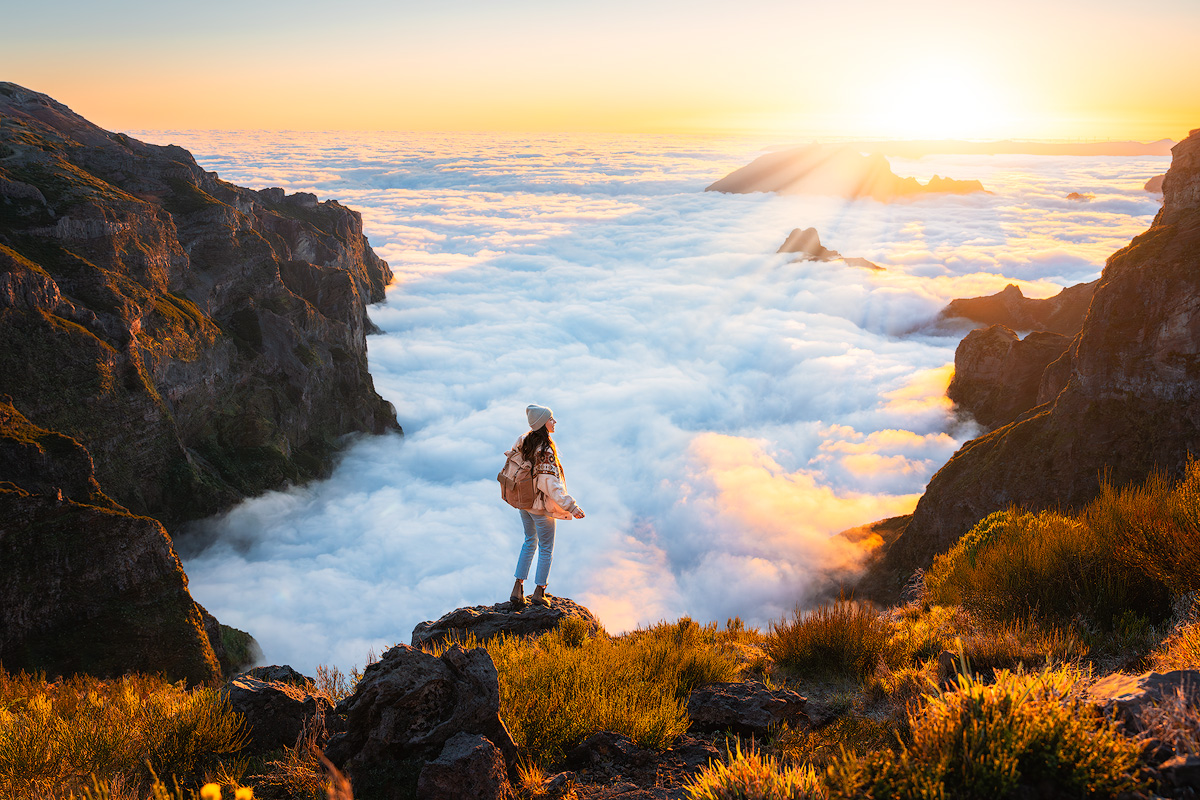
Picture an island where flowers bloom year-round, mountains touch the clouds, and the ocean’s rhythm sets the pace of life. Finding the best time to visit Madeira Portugal isn’t about dodging bad weather—it’s about matching the island’s ever-changing magic to your dream adventure. This volcanic paradise floating in the Atlantic boasts a “perpetual spring” climate, with temperatures rarely dipping below 60°F or soaring above 80°F. Yet each season paints Madeira differently: spring explodes in floral rainbows, summer buzzes with beach energy, autumn gilds hiking trails in gold, and winter offers whale-filled waters. Your perfect moment depends entirely on whether you crave festival energy, solitary trails, garden wonderlands, or ocean encounters. Let’s decode Madeira’s seasonal secrets so you can pinpoint that sweet spot when the island sings directly to your traveler’s soul. Discovering the best time to visit Madeira transforms a great trip into an unforgettable symphony of moments.
Madeira’s Year-Round Appeal: The Eternal Spring
Madeira defies typical European seasons with its subtropical microclimate shaped by the Gulf Stream and mountainous terrain. You’ll experience noticeable but gentle shifts between seasons rather than extreme changes. Coastal areas like Funchal enjoy balmy temperatures even in January, while the high mountains might surprise you with crisp mornings perfect for sweater weather. This stability makes packing simple—light layers work year-round.
What truly sets Madeira apart is how its microclimates create distinct worlds within short distances. Drive twenty minutes from sunny Machico’s palm-fringed bay into the misty mystical forests of Ribeiro Frio, and you’ll swear you’ve changed continents. The north coast receives more rainfall, creating lush emerald valleys, while the south basks in drier sunshine. This diversity means even if one area has clouds, you’ll find sunshine elsewhere.
The island’s nickname “Floating Garden of the Atlantic” proves accurate daily. Brilliant bougainvillea drapes over stone walls in December, fragrant jasmine perfumes evening walks in October, and wild orchids peek from laurel forests in July. This ever-present vibrancy means gardens like Monte Palace or Botanical Gardens dazzle whenever you visit. Combined with moderate crowds outside peak summer, Madeira offers rewarding escapes 365 days a year.
Key Notes:
- Why Visit: Consistent mild temperatures and stunning microclimates
- Key Experiences: Garden explorations, scenic drives, cultural immersion
- Ideal Time: Any month (temperature range: 61-79°F)
- Travel Impact: No significant seasonal price surges
- Getting There: Direct flights from major European cities year-round
Tip: Pack a light waterproof jacket regardless of season for mountain microclimates
Spring Splendor: Blooms and Festivals (March-May)
Spring transforms Madeira into a living watercolor painting, making this the best time to visit Madeira for flowers. From March, lower valleys erupt with wild lupines and orchids, while by May, higher altitudes follow suit with endemic blooms like the Madeiran foxglove. The island’s legendary Flower Festival typically in late April/early May floods Funchal with floral carpets, exotic costumes, and the heady scent of thousands of blossoms.
Temperatures hover pleasantly between 65-72°F—ideal for tackling iconic levada walks among dripping green tunnels fringed with ferns and waterfalls at full surge. Crowds remain manageable before summer’s rush, letting you photograph iconic viewpoints like Cabo Girão without jostling. Easter brings solemn processions in villages like Camacha where locals maintain deep-rooted traditions.
Don’t miss the north coast’s explosion of hydrangeas from May onward. Roads between Santana and São Vicente become corridors of blue pom-poms contrasting with black sand beaches. For garden lovers, Monte Palace Tropical Garden reaches peak magnificence while orchid collections at Jardim Orquídea showcase rare species. Spring’s gentle warmth makes vineyard visits in Campanário delightful as new growth emerges.
Key Notes:
- Why Visit: World-class floral displays and comfortable activity temperatures
- Key Experiences: Flower Festival, levada walks, garden tours
- Ideal Time: Late April to early June for peak blooms
- Ticket Price: Festival events mostly free; garden entries €5-12
- Getting There: Regular buses serve flower regions; rent car for remote valleys
Tip: Book Funchal hotels 6+ months ahead if attending Flower Festival
Summer Adventures: Sun and Celebration (June-August)
Summer delivers Madeira’s warmest and driest conditions, with south coast temperatures averaging 75°F—perfect for the best time to visit Madeira beach experiences. While the island isn’t famed for sandy shores, pebble beaches like Calheta and Machico’s golden sand import become lively hubs. Ocean temperatures reach swimmable 72°F by August, ideal for snorkeling in Garajau Marine Reserve among parrotfish.
Festivals dominate the calendar, starting with the vibrant Atlantic Festival in June featuring international fireworks competitions over Funchal Bay. July brings the Folk Music Festival where traditional bailinho dances spill into streets. August peaks with Madeira Wine Festival celebrating the island’s liquid gold with harvest reenactments in vineyards and tastings in colonial cellars.
Long daylight hours allow ambitious adventures: summit Pico Ruivo for sunrise, kayak to deserted islets off Porto Santo, or join a full-day jeep tour into Paul da Serra’s high plateau. Note that popular trails like Vereda do Areeiro require early starts to avoid crowds and midday heat. While inland temperatures stay comfortable, UV radiation intensifies—pack reef-safe sunscreen.
Key Notes:
- Why Visit: Beach relaxation, festive energy, and optimal marine activities
- Key Experiences: Fireworks displays, wine festivals, coastal hikes
- Ideal Time: Mid-June to August for warmest ocean temps
- Ticket Price: Free street festivals; boat tours €35-60
- Getting There: Ferries connect to Porto Santo beaches (2.5hr)
Tip: For mountain hikes, depart before 8am to secure parking and avoid heat
Autumn Hiking Glory: Trails and Tints (September-November)
Autumn delivers prime conditions for the best time to visit Madeira for hiking as cooler temperatures (68-73°F) return and landscapes ignite in seasonal color. September still offers summer’s warmth with fewer crowds, while November brings dramatic cloud formations over valleys. Trails like Rabaçal’s 25 Fontes become manageable without summer’s humidity, and paths once busy now offer solitude.
The island reveals its agricultural soul during harvest season. Follow the “Chestnut Route” through Curral das Freiras in late October when villages roast nuts over open fires. Vineyards in Campanário turn gold and red, with many quintas offering grape-stomping experiences. Don’t miss the Columbus Festival in Porto Santo (September) celebrating the explorer’s island connections with historical reenactments.
Photographers treasure autumn’s moody interplay of light and mist, particularly at sunrise viewpoints like Pico do Arieiro. Levada walks reveal new dimensions as morning fog dissolves over laurel forests. While ocean temperatures remain swimmable until late October, rainfall increases gradually—pack quick-dry layers. This season balances value and beauty, with accommodation rates dropping post-summer.
Key Notes:
- Why Visit: Ideal trekking weather and stunning foliage transformations
- Key Experiences: Levada walks, harvest festivals, landscape photography
- Ideal Time: Late September to early November for dry trails
- Ticket Price: Hiking trails free; guided walks €25-50
- Getting There: Rent car for trailhead access; use island taxis for linear hikes
Tip: Combine Vereda do Larano coastal walk with Ponta de São Lourenço for contrast
Winter Whales and Warmth (December-February)
Winter offers the best time to visit Madeira for whales when migratory species flood surrounding waters. Up to 20 cetacean species pass through, including sperm whales and pilot whales who reside year-round. December to February brings the highest sighting rates, with specialized boats reporting 95% success. Calm winter seas make excursions from Funchal or Caniçal exceptionally smooth.
Despite being Europe’s sunniest winter destination, temperatures dip to 61°F—still warm enough for coastal walks or botanical garden visits. The island dazzles with Christmas decorations through early January, particularly Funchal’s legendary light displays and nativity scenes. New Year’s Eve hosts one of the world’s largest fireworks shows reflected across the harbor.
Crowds thin significantly except during holiday weeks, rewarding visitors with serene moments in UNESCO laurel forests. Mountain areas may see light frosts, creating magical scenes at sunrise above the cloud inversion layer. Pack warmer layers for evenings and higher elevations. This season balances wildlife spectacles with cultural richness at lower prices.
Key Notes:
- Why Visit: Unbeatable whale watching and festive atmosphere
- Key Experiences: Whale excursions, holiday lights, cloud forest walks
- Ideal Time: December to February for peak cetacean activity
- Ticket Price: Whale watching tours €50-75; NYE packages premium
- Getting There: Direct flights from UK/Germany; fewer connections off-season
Tip: Choose smaller zodiac boats (12-pax max) for closer wildlife encounters
Monthly Weather Guide: Climate by Calendar
Understanding Madeira weather by month requires looking beyond temperature alone. January averages 61°F but delivers winter whale spectacles. February sees almond blossoms coating western hills despite being the wettest month (avg 11 rainy days). March brings spring’s first blooms to lower elevations with 68°F days perfect for levada walks.
April’s 70°F warmth and reduced rainfall signal peak garden season, while May’s 72°F days and Flower Festival draw crowds. June kicks off summer with 22°C averages and minimal rain—prime for mountain hikes. July-August peak at 75°F with bustling beaches but require sunrise hiking starts.
September maintains summer warmth (74°F) with decreasing tourists, ideal for photography. October’s 72°F days see harvest festivals amidst autumn tints. November transitions toward winter with increased rain but stunning cloud formations. December offers festive lights with comfortable 64°F days and prime whale activity.
Key Notes:
- Why Visit: Tailor activities to precise climate conditions
- Key Insights: Microclimate variations between north/south coasts
- Temperature Range: 61°F (Jan) to 79°F (Aug)
- Rain Patterns: Driest June-August; wettest October-February
- Seasonal Shifts: Gradual transitions between seasons
Tip: Use Madeira webcam network for real-time weather checks
Photographer’s Paradise: Capturing Light and Landscapes
Determining the best time to visit Madeira for photography means chasing magical light rather than avoiding crowds. Golden hour becomes extraordinary year-round—winter sunrises paint Pico Ruivo pink, while summer sunsets ignite ocean horizons. Spring offers soft diffused light perfect for floral close-ups in Monte Palace gardens. Autumn brings dramatic cloud formations over valleys, especially at dawn from Bica da Cana viewpoint.
Waterfall photographers should target February-April when levada flows peak from winter rains. Coastal long-exposure shots work best during summer’s calmer seas at volcanic formations like Ponta de São Lourenço. For Milky Way shots, September-November’s clearer nights provide stunning skies above cloud inversion layers at mountain viewpoints.
Festivals deliver vibrant human elements: capture Flower Festival’s costume parades in May, Christmas lights reflecting on cobblestones in December, or New Year’s fireworks over Funchal harbor. Urban photographers find endless inspiration in Funchal’s Old Town doors project year-round. Pack a polarizer for ocean shots and ND filters for waterfall silking.
Key Notes:
- Why Visit: Diverse landscapes with ever-changing atmospheric conditions
- Key Subjects: Seascapes, festivals, endemic flora, cloud inversions
- Ideal Time: Varies by subject—spring for flowers, winter for Milky Way
- Access Notes: Tripods permitted in most natural areas
- Getting There: Rent vehicle for pre-dawn access to high viewpoints
Tip: For fog-free mountain shots, arrive 90 minutes before sunrise
Planning Your Madeira Journey: Practical Essentials
Tailor your packing to planned activities: sturdy hiking shoes for levada trails, swimwear for lava pools, and smart-casual outfits for upscale restaurants. Madeira’s cobblestone streets demand comfortable footwear regardless of season. The island is exceptionally safe, with low crime rates and welcoming attitudes toward LGBT travelers—same-sex couples may hold hands without concern.
Accessibility varies dramatically—Funchal offers ramps and adapted taxis, but mountain trails and older villages have steep steps. Those with mobility challenges should prioritize cable cars (Monte, Funchal), accessible gardens (Botanical Garden), and promenade walks. English is widely spoken in tourist areas, but learning Portuguese greetings delights locals.
Transportation choices shape your experience: rent a car for flexibility (book compact models for narrow roads), use affordable buses between towns, or hire knowledgeable local guides for hiking. Ferries connect to Porto Santo’s golden beaches in 2.5 hours. Avoid late-night driving on unlit mountain roads. Madeira’s tap water is drinkable, and its cuisine features fresh seafood—try black scabbardfish—but vegetarians will find ample options.
Key Notes:
- Safety: Low crime; exercise normal precautions at night
- Accessibility: Mixed infrastructure; research specific attractions
- Budgeting: Mid-range costs; savings possible off-season
- Cultural Notes: Modest dress preferred in churches/villages
- Connectivity: Strong 4G coverage; free WiFi in public spaces
Tip: Download offline maps—mountain areas have spotty signal