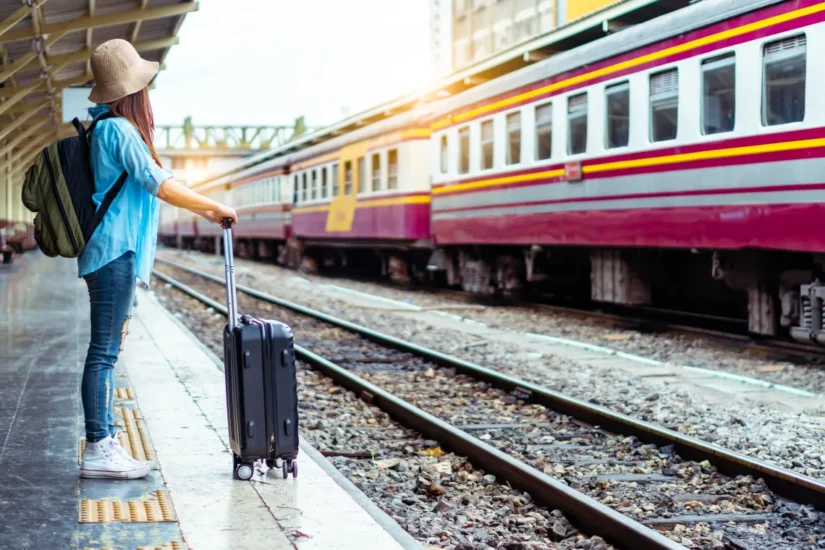
I’ll never forget the first time I stood alone on Bolivia’s salt flats at dawn. As the sun bled crimson over 4,000 square miles of blinding white hexagons, my boots crunched on salt crystals that sang like broken glass. A wave of dizzying solitude hit me – no barriers, no landmarks, just infinite sky meeting earth. In that surreal silence, I realized how small my fears were. This alien landscape strips you bare, then rebuilds you stronger. That’s why discovering the best time to visit Salt Flats Bolivia isn’t just practical – it’s key to unlocking its soul-stirring magic. If you’re a solo woman craving raw adventure where tourist crowds thin to whispers, this guide’s for you.
Best Time to Visit Salt Flats
January: The Mirror Effect at Its Peak
When 1-3cm of rainwater transforms the salt flats into Earth’s largest natural mirror (Jan-Feb). At dawn, the sky melts into liquid glass, creating that iconic infinity effect. I’ll never forget wading knee-deep near Isla Incahuasi at sunrise, my reflection perfectly doubled among giant cacti as pink clouds burned above.
Pros: Unbeatable photography, flamingos at Laguna Colorada.
Cons: 70% chance of afternoon thunderstorms, some roads impassable.
Tip: Wear waterproof boots with grip – salt crust gets slippery!
February: Carnival Meets Cosmic Reflections
Bolivia’s wildest festival (Carnaval) collides with peak mirror season. Imagine dancing in Oruro’s parades one day, then standing in celestial silence on the salt flats the next. During Carnaval week, I joined locals in Ch’alla rituals – pouring alcohol into the flats as offering to Pachamama (Mother Earth).
Weather: 12°C days, 5°C nights, 60% rain chance.
Crowds: High near Oruro, medium at flats. Photography hack: Shoot during “blue hour” (30min post-sunset) when water reflects twilight indigo.
March: The Last Dances of the Mirror
As rains taper off, you’ll witness a magical transition. Half the flats remain mirrored while geometric salt patterns emerge elsewhere. I captured my favorite photo here – my boots on cracked salt polygons foregrounding a water-reflection of Volcán Tunupa.
Key event: Pujllay festival (indigenous harvest celebration).
Conditions: 15°C days, 0°C nights, 40% rain.
Solo tip: Stay in Tahua village for sunrise access without tour groups.
April: Salt Harvests & Crystalline Skies
When locals from Colchani scrape salt into pyramids under autumn light. I spent a morning helping Don Carlos harvest – backbreaking work rewarded with shared api morado (purple corn drink). The mirror effect fades, revealing surreal hexagon patterns.
Weather: 18°C days, 5°C nights, <10% rain.
Crowds: Low – my favorite solitude month.
Unique experience: Visit Coquesa’s mummies in cave tombs (bring coca leaves as offering).
May: The Geometric Desert Awakens
Dry season begins! Salt polygons crack into perfect hexagons stretching to the horizon. At noon, the blinding white plays tricks on your eyes – I once chased a “lake” mirage for 20 minutes.
Wildlife: Vizcachas (rabbit-squirrels) emerge on Incahuasi Island.
Conditions: 20°C days, -2°C nights, windy afternoons.
Photo essential: Polarizing filter to reduce glare and enhance polygon definition.
June: Freezing Nights, Flaming Sunrises
Winter arrives with extreme temperature swings. At 6am on the salt flats, I recorded -18°C (my water bottle froze solid!), but by noon it warmed to 22°C. Inti Raymi (Inca Sun Festival) on June 21 brings indigenous pilgrims celebrating solstice at Tunupa Volcano.
Pros: Crisp air = unparalleled visibility.
Cons: 90% of tours skip “minor lagoons” due to frozen access roads.
Survival gear: Hand warmers inside mittens + balaclava.
July: Peak Season Star Fields
When tourist numbers surge but the skies reward you. On moonless nights, the Milky Way casts shadows on the salt. I joined an astronomy tour where we identified Southern Cross constellations while lying on foam mats.
Conditions: 22°C days, -10°C nights.
Crowd hack: Base in San Juan village for private access to Ollagüe geysers.
Warning: Book tours 3+ months ahead – Red Planet Expeditions sells out!
August: Wind Sculptures & Festival Fire
Gusts whip salt crystals into ephemeral sculptures. During Alasitas (miniature gift festival), I bartered with El Alto artisans for tiny salt bricks symbolizing prosperity.
Unique phenomenon: “Salt flowers” – delicate frost crystals blooming at dawn.
Weather: 25°C days, -5°C nights, 35km/h winds.
Packing essential: Ski goggles for dust storms.
September: Golden Shoulder Season
My top recommendation! Mild days (18°C), minimal crowds, and landscapes glow golden. I had the entire Train Cemetery to myself at sunset.
Key event: Andean New Year (March 21) with offerings to Pachamama.
Photography: Long shadows enhance perspective shots – bring props!
Solo bonus: Hostels organize group jeep shares – I paid $80 for 3 days by joining last-minute.
October: Flamingo Migration Begins
As lagoons recharge, thousands of James flamingos arrive at Laguna Colorada. I spent hours watching them filter-feed, their pink feathers intensified by red algae waters.
Weather: 22°C days, 0°C nights, rare showers.
Road conditions: Access to Eduardo Avaroa Park reopens fully. Birdwatching tip: Binoculars + 200mm lens minimum.
November: Electric Storms & Rainbows
Pre-monsoon brings dramatic cloud formations. I witnessed lightning fork over the salt flats while a double rainbow arched behind Volcán Ollagüe – nature’s grand theater.
Crowds: Still low before holiday rush.
Local secret: Visit the “eye of the salt flat” – a permanent brine pool near Galaxia cave. Caution: Afternoon storms – finish outdoor activities by 2pm.
December: The Mirror Returns
First rains create patchwork reflections. I captured “floating” llamas at sunset near Coquesa as the mirror effect returned in sections. Christmas brings Nativity scenes sculpted from salt in Uyuni churches.
Conditions: 16°C days, 4°C nights, 40% rain chance.
Festive experience: Share picana (spiced stew) with families on Dec 24.
Packing for Salt Flats Bolivia: Beyond the Basics
After 7 visits, here’s my battle-tested packing list accounting for microclimates from desert to 5,000m altitudes:
- Footwear: Waterproof hiking boots (Merrell Moab) + thick wool socks (2 pairs daily)
- Layering System: Thermal base (Uniqlo Heattech), fleece mid-layer, windproof shell (Patagonia Torrentshell)
- Extreme Cold: Down jacket (800+ fill), balaclava, heated gloves (Febru rated to -25°C)
- Photo Gear: UV filter (salt scratches lenses), rain sleeve, lens cloths, portable tripod
- Survival Kit: Headlamp (Petzl), lip balm with SPF, electrolyte tablets, coca candy
- Perspective Props: Toy dinosaur (classic!), colorful umbrella, miniature chair
Seasonal Cheat Sheet: When to Go for Your Priorities
| Priority | Best Months | Tips |
|---|---|---|
| Mirror Effect | Jan-Feb | Arrive before 6am – reflections fade by 10am |
| Photography | Apr-May & Sep-Oct | Golden hour lasts 45min longer at altitude |
| Stargazing | Jun-Jul | Moonless nights around new moon phase |
| Solitude | Apr & Nov | Stay in Tahua village, avoid Uyuni tours |
| Wildlife | Oct-Mar | Laguna Colorada for flamingos, Salar for Andean foxes |
| Cultural Events | Feb (Carnaval) Jun (Inti Raymi) Sep (Aymara New Year) |
Book homestays 6+ months ahead |
| Budget Travel | Apr-May & Sep-Oct | Hostels drop prices 40%; negotiate jeep tours |
Pro Tip: For 2025, plan around the total solar eclipse on December 4! The path of totality crosses southern Bolivia – expect rare darkness over the salt flats at midday. Book Uyuni lodges NOW.
Altitude Strategy: Your Secret Weapon
At 3,656m, altitude sickness ruins more trips than bad weather. After collapsing at Incahuasi Island my first visit, I’ve mastered acclimatization:
- Pre-Trip: Prescription Diamox (start 24hr pre-arrival)
- First 48hrs: Sleep below 3,000m (La Paz/Atacama) before Uyuni
- On-Site: Coca tea every 4hrs (legal & effective)
- Emergency: Carry oxygen cans ($10 at Uyuni pharmacies)
Locals swear by “altitude showers” – cold water on wrists/neck every 2hrs. I paired this with slow diaphragmatic breathing during hikes and felt 70% better.
The Photography Calendar: When to Shoot What
- Infinity Mirrors: Jan 15-Feb 15 (peak water depth)
- Geometric Patterns: May 1-Oct 31 (driest months)
- Volcán Reflections: April mornings (calmest winds)
- Flamingo Action: Oct-Nov (hatching season at Colorada)
- Milky Way Arches: Jun 20-Aug 10 (driest air)
- Perspective Tricks: Sep-Oct (long shadows at 8am/4pm)
Insider Access: Few know about the “Galaxia Caves” (GPS: -20.2678, -67.6411) where star trails reflect in underground pools September-April. Bring a guide!
Why Salt Flats Bolivia is Perfect for Solo Female Travelers
The Soul of Salt Flats Bolivia
This isn’t just salt. It’s 11,000 sq ft of prehistoric ocean floor, frozen into geometric perfection under Andean skies. At 3,656m altitude, the air hums with silence so profound you hear your heartbeat. I remember biking across the crust at sunset, pink light flaring across the void – no fences, no rules, just pure off-the-beaten-path Bolivia freedom.
Beyond the iconic flats, cobalt lagoons blush pink with flamingos, and active volcanoes breathe smoke into cobalt skies. Locals in woolen aguayos (woven blankets) herd llamas past quinoa fields unchanged for centuries. This is South America’s raw, unfiltered heart.
Overcoming Fears: Is Salt Flats Bolivia Safe for Solo Women?
“Is Bolivia safe alone?” My hostel roommate whispered this as we packed for the salt flats. Truth? Solo travel here demands savvy – but rewards fiercely. On my first night in Uyuni, a Quechua grandmother noticed me hesitating at a dimly lit street. She wordlessly linked arms with me, walking me to my door. That quiet kindness epitomizes Bolivia.
Safety essentials:
- Book tours with registered operators (I recommend Tony’s Tours)
- Avoid walking alone at night in Uyuni town
- Keep valuables hidden in shared jeeps
Altitude sickness is your real foe. Chew coca leaves (legal here!) and hydrate. For deeper safety tips, see my guide on solo female travel precautions.
Top Off-the-Beaten-Path Things to Do
Adventure Awaits
- Stargaze in a Salt Hotel: Sleeping under galaxies through salt-crystal windows? Pure magic. At -15°C, I wore every layer I owned – worth it for shooting stars streaking the Milky Way.
- Cycle the Salt Crust: Rent bikes in Colchani ($10/day). Pedal where salt meets sky. Pro tip: Tie a red scarf to your handlebars – your only landmark in this disorienting white.
- Volcano Trekking: Summit Tunupa Volcano (5,432m). My lungs burned, but views of emerald lagoons dotted with flamingos? Soul-altering.
Cultural Immersion
- Share Pique Macho with Locals: At Uyuni’s Mercado de Ferrocarril, I joined market women eating spicy beef stew ($2). They taught me Quechua phrases between giggles.
- Weave with Artisanas: Near Coquesa village, cooperative workshops teach Andean backstrap weaving. I left with llama-wool gloves and new respect for vanishing crafts.
- Full Moon Salt Harvest: Full moons illuminate Salar de Uyuni workers scraping salt mounds. They welcomed my help – backbreaking but transcendent.
Finding Peace in Salt Flats Bolivia
- Sunrise Meditation: At Isla Incahuasi’s cactus island, sit facing dawn. The salt’s mirror effect dissolves horizons – you’ll feel suspended in light.
- Silent Walk in Fish Island Caves: Hide in coral-rock labyrinths where wind whispers through ancient fossils.
- Laguna Colorada Flamingo Watch: At dusk, thousands of flamingos wade through mineral-red waters. Bring binoculars and stillness.
Where to Stay as a Solo Traveler
Budget and Authentic Stays
Hostal Los Girasoles (Uyuni): Flower-strewn courtyard, female-only dorms ($8/night), kitchen access. Owner Maria gives solo women emergency whistles. Book here.
Salt Hotel in Tahua: Basic salt-brick rooms ($15) overlooking Tunupa. No electricity after 9pm – just constellations and shared mate tea with hosts.
Unique and Comfortable Options
Luna Salada Hotel: Sustainable luxury with salt-sculpture baths ($120). I splurged post-trek – their quinoa soup revived me. Perfect for solo travel accommodations Bolivia.
Kachi Lodge (private domes ON the salt flats): Geodesic domes with wood stoves ($350+). Worth it for sunrise views without crowds.
Where to Eat Like a Local
Authentic Local Eats
- Minuteman Pizza (Uyuni): Don’t laugh! Run by a Massachussetts expat, it fuels travelers with llama sausage pizza ($7) and altitude advice.
- Mercado de Ferrocarril Stalls: Try sopa de maní (peanut soup) at stall #12 – $1.50, served by grandmothers in bowler hats.
- Street-Side Salteñas: Juicy beef empanadas ($0.50) near Uyuni’s train cemetery. Eat over napkins – they drip sweet-spicy broth!
Special Dining Experiences
Hotel de Sal Playa Blanca: Dine at tables sculpted from salt as alpacas wander past ($15 3-course menu). Reserve for sunset.
Celestino Restaurant (San Pedro de Quemes): 40km off-tourist-track. Farm-to-table quinoa cha’tu (Andean stew) in a 200-year-old hacienda.
Getting to and Around
Arriving in Salt Flats Bolivia
Fly to La Paz, then:
- Overnight bus to Uyuni (10hrs, $15-25). Choose semi-cama seats – I avoided night arrivals for safety.
- Flight to Uyuni (Amaszonas Airlines, 1hr, $80+). Book early – tiny planes fill fast!
Solo tip: Use Titicaca Bolivia buses – their female-conductor routes feel safer.
Navigating Salt Flats Bolivia Solo
- Group Tours: 4×4 tours ($100-$250 for 3 days) are essential for salt flats access. I chose Red Planet – small groups, female guides.
- Local Buses (Uyuni to villages): Chicken buses cost pennies but check schedules at the market – departures are…flexible.
- Biking: Rentals in Colchani village. Stick to salt flats edge trails.
Packing for Salt Flats Bolivia
Essentials I regretted forgetting:
- Layers: Thermal leggings, down jacket, windbreaker
- Sun & Salt Defense: Glacier sunglasses (UV 400+), lip balm, waterproof boots
- Gear: Headlamp (power outages happen), portable charger, refillable water bottle
- Photo Magic: Toy dinosaur for perspective shots, colorful scarf
Altitude pills and coca candy are sold everywhere – stock up!
Budgeting for Solo Travel
Cost Breakdown (Per Day)
| Category | Budget | Mid-Range |
|---|---|---|
| Accommodation | $8-15 (hostel) | $50-120 (boutique) |
| Food | $5-10 (markets) | $15-30 (restaurants) |
| Tours | $100-150 (3-day group) | $250+ (private) |
| Transport | $1-5 (local buses) | $20-50 (taxis/flights) |
Total Daily Average: $35 (budget) – $150 (comfort)
Saving Money as a Solo Traveler
- Share Jeep Tours: Split 4×4 costs with travelers at hostels. I saved 40%.
- Eat at Almuerzos: $3 set lunches at market stalls
- Free Salt Flats Access: Enter near Colchani village (no tour needed!) for sunrise
- Volunteer: Hostels like Toñito offer free stays for 2hrs daily work
Why Solo Travel in Salt Flats Bolivia Will Change You
Standing alone on the best time to visit Salt Flats Bolivia – whether mirrored in January or crystalline in July – you confront your own edges. This vastness shrinks insecurities. When I got stranded during a sudden hailstorm, Quechua shepherds sheltered me in their stone choza, sharing hot api (purple corn drink). In that humble hut, I learned that true safety isn’t in locked doors, but in open hearts. Bolivia’s salt doesn’t just preserve landscapes – it etches resilience into solo travelers. Your fears will dissolve like salt in water. Your courage? It’ll crystallize.
Ready to write your own salt-flat story? Pin this guide, book that ticket, and meet me in the comments – I’ll help you plan!