July in India typically means monsoon showers, yet numerous destinations offer sunny skies and rain-free experiences perfect for travelers seeking dry adventures. These locations—from Himalayan heights to desert landscapes—escape the downpours due to unique geography, high altitudes, or rain-shadow effects. This guide reveals 18 Dry Places to Visit in July in India Without Rain where you’ll enjoy clear days for sightseeing, trekking, and cultural immersion without weather disruptions. Whether you’re drawn to mountain monasteries, desert festivals, or historic forts, these destinations provide ideal July conditions while the rest of the country experiences rainfall.
Leh-Ladakh, Jammu & Kashmir
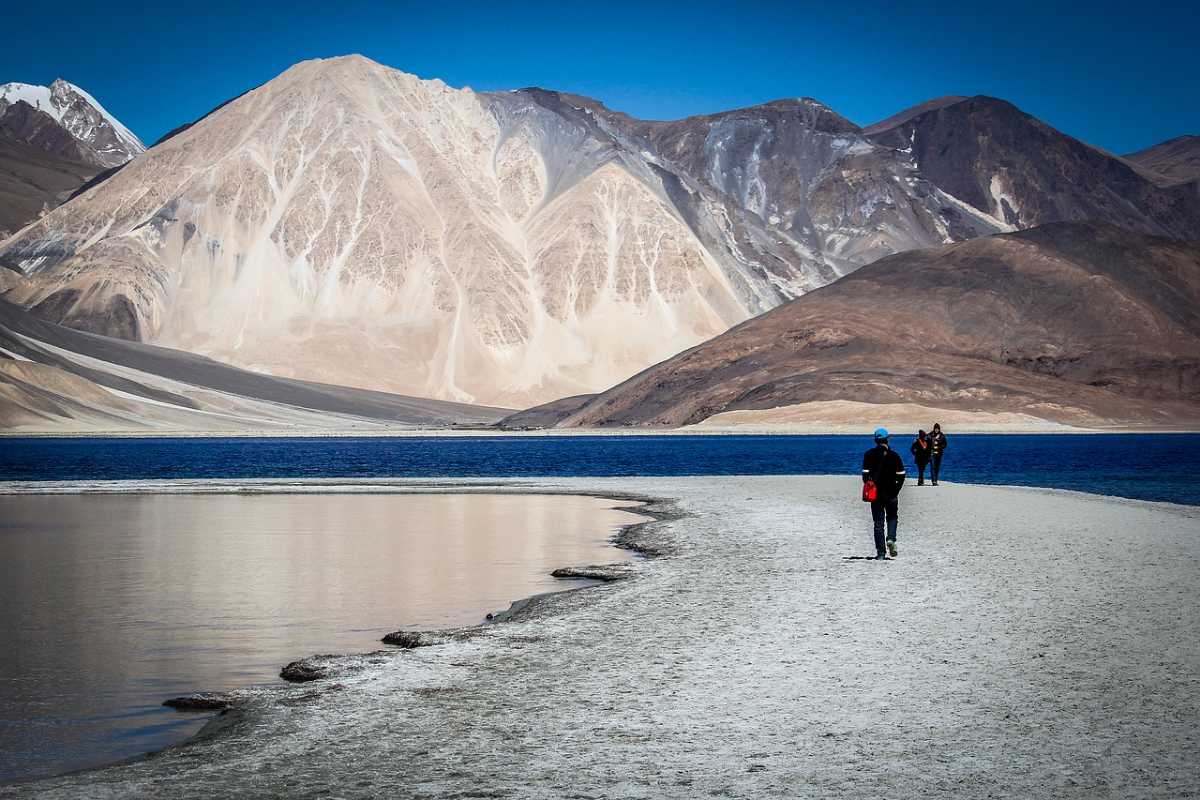
Perched in the rain-shadow region of the Himalayas, Leh-Ladakh boasts crystal-clear skies throughout July. This high-altitude desert landscape transforms into an adventurer’s paradise during summer, with accessible mountain passes and vibrant Buddhist festivals. The iconic Pangong Lake reflects stunning shades of blue under sunny skies, while ancient monasteries like Thiksey and Hemis host colorful cham dances.
July offers pleasant daytime temperatures (15-25°C) perfect for motorcycle expeditions along the Leh-Manali Highway or trekking in the Markha Valley. The Hemis Festival, celebrating Guru Padmasambhava’s birth, showcases elaborate masks and traditional music. With minimal rainfall (less than 15mm monthly average), every day promises uninterrupted exploration of lunar landscapes, turquoise lakes, and traditional Ladakhi villages.
- Weather: Sunny days with 0-1 rainy days monthly
- Top Experiences: Pangong Lake, Nubra Valley sand dunes, monastery tours
- Festival Highlight: Hemis Festival (dates vary yearly)
- Travel Tip: Book permits online in advance for protected areas
Spiti Valley, Himachal Pradesh
Nestled between Tibet and India, Spiti Valley’s high desert climate ensures virtually no rainfall in July. Often called “Little Tibet,” this remote Himalayan region features dramatic landscapes of barren mountains, ancient monasteries, and traditional villages. The Tabo Monastery—over 1,000 years old—displays exquisite frescoes, while Key Gompa dramatically clings to a hilltop overlooking the Spiti River.
July brings comfortable temperatures (12-20°C) for exploring the Pin Valley National Park’s wildlife or star-gazing in some of India’s darkest skies. The challenging Kunzum Pass opens, connecting Spiti to Lahaul Valley with breathtaking vistas. With less than 10mm average rainfall, travelers enjoy uninterrupted road trips along dramatic cliffside roads and authentic cultural exchanges in homestays.
- Weather: Dry climate with near-zero precipitation
- Cultural Gem: Dhankar Monastery fortress
- Unique Experience: Fossil hunting in Langza village
- Access: Reach via Shimla (more scenic) or Manali (faster)
Jaisalmer, Rajasthan
The Golden City emerges as a top choice among the best places to visit in July in India without rain. Jaisalmer’s Thar Desert location ensures minimal precipitation (under 50mm) and sunny days ideal for exploring the living fort, havelis, and desert camps. The sandstone architecture glows spectacularly under clear skies, particularly at sunrise and sunset.
July temperatures range from 28-40°C, but the arid climate makes heat manageable. Evening desert safaris to Sam Sand Dunes offer cultural performances under starry skies. Inside Jaisalmer Fort, visit intricately carved merchant mansions like Patwon Ki Haveli and enjoy rooftop dining with fort views. The Desert Cultural Centre showcases regional traditions through puppetry and folk artifacts.
- Weather: Less than 2 rainy days monthly
- Iconic Stay: Heritage haveli hotels
- Must-Do: Overnight camel safari with cultural camp
- Pro Tip: Visit Gadisar Lake at dawn for photography
Rann of Kutch, Gujarat
This vast salt desert transforms into an otherworldly landscape during July’s dry season. While the famous white salt crust appears in winter, July offers unique opportunities to witness artisan villages and wildlife sanctuaries without crowds. The Kutch region receives minimal rainfall (under 30mm), making it ideal for exploring craft clusters and cultural sites.
Visit Bhuj as your base to discover the Great Rann’s edge and Kutch’s craft traditions. The Shrujan Trust showcases exquisite embroidery techniques, while the Hamirsar Lake provides serene sunset views. Nearby, the Dholavira Harappan ruins reveal ancient urban planning. July temperatures range from 27-36°C, but low humidity makes exploration comfortable.
- Weather: Arid conditions with negligible rain
- Cultural Focus: Tribal artisan villages
- Wildlife Spot: Indian Wild Ass Sanctuary
- Local Experience: Rogan art demonstrations at Nirona
Amritsar, Punjab
Amritsar provides a powerful cultural experience with guaranteed dry days in July. The Golden Temple radiates spiritual energy regardless of weather, but sunny days enhance its reflection in the sacred pool. July sees minimal rainfall (approximately 50mm), primarily occurring as brief evening showers that quickly clear.
Witness the emotionally charged Wagah Border ceremony in comfortable evening temperatures. Explore the Jallianwala Bagh memorial and sample Amritsari culinary specialties like kulcha and lassi. The Partition Museum offers profound historical insights. July temperatures range from 27-40°C, but early morning and evening exploration avoids peak heat while maximizing cultural immersion.
- Weather: Under 3 rainy days monthly
- Sacred Experience: Golden Temple night ceremony
- Culinary Must: Street food tours in Lawrence Road
- Timing Tip: Visit temples early to avoid crowds
Bikaner, Rajasthan
Bikaner offers authentic Rajasthan experiences without monsoon disruptions. The desert city receives minimal July rainfall (under 35mm), preserving ideal conditions for exploring Junagarh Fort’s ornate palaces and the unique Rat Temple. The camel breeding farm provides fascinating insights into desert ecology.
July temperatures (28-40°C) create perfect conditions for sampling Bikaner’s famous bhujia snacks and traditional sweets. The Gajner Palace offers lakeside luxury, while the Karni Mata Temple presents a unique cultural experience. Evening walks through the old city reveal beautifully preserved havelis and vibrant bazaars selling camel leather products.
- Weather: Dry desert climate prevails
- Architectural Gem: Junagarh Fort’s Phool Mahal
- Unique Attraction: National Research Centre on Camel
- Shopping Focus: Handcrafted camel leather items
Auli, Uttarakhand
This Himalayan ski resort transforms into a summer paradise with guaranteed dry days in July. Situated at 2,500-3,050 meters, Auli escapes monsoon patterns, receiving under 20mm rainfall. Lush meadows bloom with wildflowers against panoramic views of Nanda Devi, India’s second-highest peak.
The cable car offers breathtaking vistas without winter crowds. Trekking routes to Gorson Bugyal and Kwani Bugyal reveal alpine flora and panoramic Himalayan views. July temperatures range from 10-20°C—perfect for outdoor activities. Visit Chenab Lake or practice yoga amidst mountain serenity. Auli’s Gurso Bugyal becomes particularly picturesque with blooming rhododendrons.
- Weather: Pleasant with minimal precipitation
- Adventure Activity: Summer skiing on remaining glaciers
- Viewpoint: Auli Artificial Lake panorama
- Access: Ropeway from Joshimath town
Jodhpur, Rajasthan
The Blue City shines under clear July skies with less than 35mm average rainfall. Mehrangarh Fort towers majestically over the indigo-painted old city, offering spectacular views especially vivid in sunny conditions. The fort museum showcases royal palanquins and intricate architecture.
July temperatures range from 27-38°C, but the arid climate and palace cooling techniques make exploration comfortable. Visit the Umaid Bhawan Palace museum, explore Rao Jodha Desert Rock Park’s ecological restoration, and shop for traditional mojari footwear in Sadar Market. Evening sound-and-light shows at Mehrangarh gain dramatic impact under clear night skies.
- Weather: Sunny days dominate July
- Photography Spot: Jaswant Thada at golden hour
- Culinary Specialty: Makhaniya lassi and mirchi vada
- Local Experience: Cooking classes in Blue City homes
Pushkar, Rajasthan
This sacred town offers spiritual experiences under reliably dry July skies. Pushkar receives minimal rainfall (under 30mm), preserving ideal conditions for temple visits and desert exploration. The Brahma Temple—among Hinduism’s rarest—attracts pilgrims year-round, while Pushkar Lake’s ghats provide serene settings for meditation.
July temperatures (25-38°C) create opportunities for sunrise hikes to Savitri Temple for panoramic views. Explore nearby rose farms and witness traditional oil extraction. The surrounding sand dunes offer peaceful sunset camel rides without crowds. Evenings feature devotional music ceremonies along the ghats enhanced by clear weather.
- Weather: Dry with occasional brief showers
- Spiritual Practice: Evening aarti at Pushkar Lake
- Unique Offering: Rose products from local farms
- Respect Note: Temple dress codes enforced
Kaza, Spiti Valley
As Spiti Valley’s main town, Kaza serves as the perfect base for high-altitude exploration without rain concerns. July offers clear mountain views and accessible roads to remote villages. The Ki Monastery dramatically perched above Kaza presents stunning photography opportunities under consistently sunny skies.
Explore traditional Spitian architecture in Langza and Komic villages—among the world’s highest year-round settlements. Visit the Tangyud Monastery in Komic and hunt for marine fossils in Langza. July temperatures range from 8-20°C, ideal for village treks and monastery visits. The Pin River Valley offers challenging hikes through dramatic landscapes.
- Weather: High desert climate with zero rain
- Cultural Insight: Sakya Tangyud Monastery
- Geological Wonder: Fossil-rich Langza village
- Preparation: Acclimatize 2 days before strenuous activities
Mount Abu, Rajasthan
Rajasthan’s sole hill station offers cool mountain retreat without July monsoon disruptions. Situated at 1,220 meters, Mount Abu receives moderate rainfall but maintains many clear days perfect for sightseeing. The famous Dilwara Jain Temples showcase extraordinary marble craftsmanship best appreciated in natural light.
Nakki Lake provides boating opportunities amidst scenic hills, while sunset points like Honeymoon Point offer spectacular views. July temperatures range from 21-31°C—significantly cooler than Rajasthan’s plains. The Mount Abu Wildlife Sanctuary offers nature trails spotting langurs and rare orchids. Evening cultural shows highlight tribal dances of Rajasthan.
- Weather: Mild with intermittent showers
- Architectural Marvel: Dilwara Temple complex
- Nature Experience: Trek to Guru Shikhar peak
- Local Flavor: Street food at Nakki Lake market
Chandigarh, Punjab/Haryana
India’s first planned city offers modern attractions under reliably dry July conditions. Chandigarh receives moderate rainfall (approximately 50mm) but maintains many sunny days for exploring Le Corbusier’s architectural marvels. The Rock Garden showcases extraordinary artwork from industrial waste, while Sukhna Lake provides serene waterfront strolls.
July temperatures range from 26-38°C, with evenings cooling pleasantly. Visit the Capitol Complex (UNESCO World Heritage Site), Government Museum and Art Gallery, and Rose Garden. The nearby Pinjore Gardens offer Mughal-style landscaping. Chandigarh’s organized sectors feature excellent dining and shopping opportunities without weather disruptions.
- Weather: Limited rainfall with ample sunshine
- Design Highlight: Open Hand Monument
- Cultural Visit: International Dolls Museum
- Day Trip: Mughal Gardens at Pinjore
Udaipur, Rajasthan
The City of Lakes sparkles under July’s sunny skies with minimal rainfall (under 35mm). Udaipur’s palaces reflect magnificently in Lake Pichola during clear weather, particularly at sunset. The City Palace complex offers sprawling vistas, while boat rides to Jag Mandir provide romantic vistas of the Aravalli hills.
July temperatures range from 25-35°C, cooler than Rajasthan’s desert cities. Explore vintage car collections, traditional puppet shows, and artisan workshops in the old city. The Monsoon Palace offers panoramic city views, especially atmospheric as clouds gather over distant hills without disrupting city-level activities. Evening cultural performances enhance the regal atmosphere.
- Weather: Mostly dry with occasional showers
- Iconic Experience: Lake Palace view from Jag Niwas
- Artisan Focus: Miniature painting workshops
- Photography Tip: Capture ghats during golden hour
Jaipur, Rajasthan
The Pink City offers royal experiences under reliably dry July skies. Jaipur receives moderate rainfall (approximately 60mm) but maintains numerous sunny days ideal for fort exploration. Amber Fort’s hilltop position provides panoramic views particularly striking in clear weather, while Hawa Mahal’s honeycomb facade glows in sunlight.
July temperatures range from 25-35°C—manageable with early sightseeing. Explore Jantar Mantar’s astronomical instruments, City Palace museums, and Albert Hall’s Indo-Saracenic architecture. Traditional markets like Johari Bazaar offer vibrant shopping without weather concerns. Evening sound-and-light shows at Amber Fort gain dramatic impact under clear skies.
- Weather: Sunny days outnumber rainy ones
- UNESCO Site: Jantar Mantar Observatory
- Local Craft: Gemstone jewelry and blue pottery
- Timing Advice: Visit forts at opening to avoid heat
Nubra Valley, Ladakh
This high-altitude desert valley remains blissfully dry throughout July. Famous for double-humped Bactrian camels and sand dunes, Nubra offers surreal landscapes against snow-capped peaks. The Diskit Monastery’s towering Maitreya Buddha statue gazes over the valley under consistently clear skies.
July brings comfortable temperatures (12-25°C) for exploring Panamik village’s hot springs and Yarab Tso Lake’s hidden beauty. The Khardung La pass—among the world’s highest motorable roads—provides dramatic access. With near-zero rainfall, every day offers uninterrupted photography of unique high-desert scenery and traditional Ladakhi villages.
- Weather: Rain-free with abundant sunshine
- Unique Experience: Bactrian camel safari in Hunder
- Scenic Drive: Khardung La to Diskit route
- Permit Requirement: Protected Area Permit needed
Manali, Himachal Pradesh
While surrounding regions experience monsoon, Manali’s unique microclimate ensures relatively dry conditions perfect for mountain exploration. July sees approximately 50mm rainfall—significantly less than other Himalayan hill stations—with many clear days for adventure activities.
Solang Valley offers summer zorbing and paragliding with panoramic views. Explore ancient Hadimba Temple amidst cedar forests or visit Naggar Castle’s art galleries. July temperatures range from 10-25°C—ideal for river rafting on the Beas. Nearby Jana Falls and Rahala Falls flow vigorously without disrupting access to major attractions.
- Weather: Moderate rainfall with sunny spells
- Adventure Hub: Solang Valley activities
- Cultural Visit: Nicholas Roerich Art Gallery
- Local Taste: Siddu (local bread) in Old Manali
Coorg, Karnataka (Partial Dry Zone)
While most of Coorg experiences heavy monsoon, the eastern rain-shadow areas offer relatively dry July experiences. Regions like Kushalnagar and Somwarpet receive significantly less rainfall (approximately 70mm) than western Coorg, providing opportunities for plantation stays and cultural exploration.
Visit Dubare Elephant Camp for ethical interactions, explore Namdroling Monastery’s Tibetan architecture, and tour coffee estates to learn about processing. July temperatures range from 18-25°C—pleasant for nature walks. Abbey Falls flows impressively while remaining accessible from drier eastern zones. Golden Temple at Bylakuppe offers vibrant photography opportunities.
- Weather: Eastern areas receive less rainfall
- Unique Stay: Coffee plantation homestays
- Cultural Highlight: Namdroling Monastery
- Responsible Tourism: Choose ethical elephant experiences
Pahalgam, Jammu & Kashmir
Nestled in the Lidder Valley, Pahalgam enjoys relatively dry July conditions compared to other Himalayan destinations. With approximately 40mm rainfall, it offers mostly clear days for exploring meadows, pine forests, and glacial streams. The Kolahoi Glacier glistens under sunny skies, while Betaab Valley showcases lush landscapes.
July temperatures range from 10-22°C—perfect for pony treks to Chandanwari (Amarnath Yatra base) or Aru Valley. Fly fishing in the Lidder River and golfing at Pahalgam Club provide unique activities. Evening strolls along the river promenade offer peaceful mountain vistas without weather disruptions.
- Weather: Mild rainfall with sunny periods
- Nature Experience: Baisaran Hills pony trek
- Pilgrimage Connection: Amarnath Yatra starting point
- Local Craft: Kashmiri willow cricket bats
Planning Your Rain-Free July India Trip
When visiting these best places to visit in July in India without rain, prioritize region-specific preparations. Ladakh and Spiti require altitude acclimatization—budget 2 rest days upon arrival. Desert destinations like Jaisalmer need sun protection (SPF 50+, hats, sunglasses) and hydration strategies. Book flights and accommodations 3-4 months early, especially for popular destinations like Ladakh.
Pack versatile layers for mountain regions where temperatures fluctuate dramatically between day and night. Carry rain jackets even for dry destinations as brief showers occasionally occur. Respect cultural norms at religious sites by dressing modestly. For remote Himalayan areas, carry cash as ATMs may be scarce. Most importantly, purchase comprehensive travel insurance covering altitude-related issues and adventure activities.
People Also Ask: Rain-Free India Travel in July
Q: Why do some Indian destinations remain dry during July?
A: Geographic features create rain-shadow regions where mountain ranges block monsoon winds. Ladakh lies north of the Himalayas, while Rajasthan’s Thar Desert receives minimal moisture. High-altitude locations like Spiti have desert climates despite elevation.
Q: Are flights to Leh-Ladakh operational in July?
A: Yes, Leh’s Kushok Bakula Rimpochee Airport operates year-round with daily flights from Delhi, Mumbai, and other cities. July offers the most reliable flight schedules as winter cancellations don’t apply.
Q: What clothing works best for these destinations?
A: Follow a layering system: moisture-wicking base layers, insulating mid-layers (fleece), and weatherproof outer shells. Desert areas require light breathable fabrics with sun protection, while mountains need warmer options for evenings.
Q: How crowded are these destinations in July?
A: Mountain destinations (Ladakh, Spiti, Manali) reach peak season with higher prices and crowds. Desert cities (Jaisalmer, Bikaner) have moderate tourism. Book accommodations and transportation 3-4 months in advance for popular regions.
Discovering India’s rain-free July destinations offers unparalleled cultural immersion and natural wonders without weather disruptions. From Ladakh’s high-altitude lakes to Rajasthan’s golden forts, these destinations prove monsoon season can mean sunny adventures with smart planning.