Steeped in history, crowned by Wawel Castle, and pulsating with youthful energy, Kraków stands as Poland’s undisputed cultural heart. Its remarkably preserved medieval core, a UNESCO World Heritage Site, whispers tales of kings and scholars, while districts like Kazimierz resonate with poignant Jewish heritage. The fantastic news for budget-conscious travellers? Kraków generously offers an abundance of enriching experiences requiring absolutely no admission fee. From wandering ancient market squares and serene riverside paths to exploring poignant memorials and vibrant neighbourhoods, the city invites you to delve deep into its soul without straining your wallet. This guide meticulously curates the very best free places to visit in Kraków, proving that unlocking the magic of this Central European gem is accessible to all. Prepare to be captivated by architectural splendour, profound history, and the simple joy of discovery, all experienced through its exceptional free attractions.
Rynek Główny (Main Market Square)
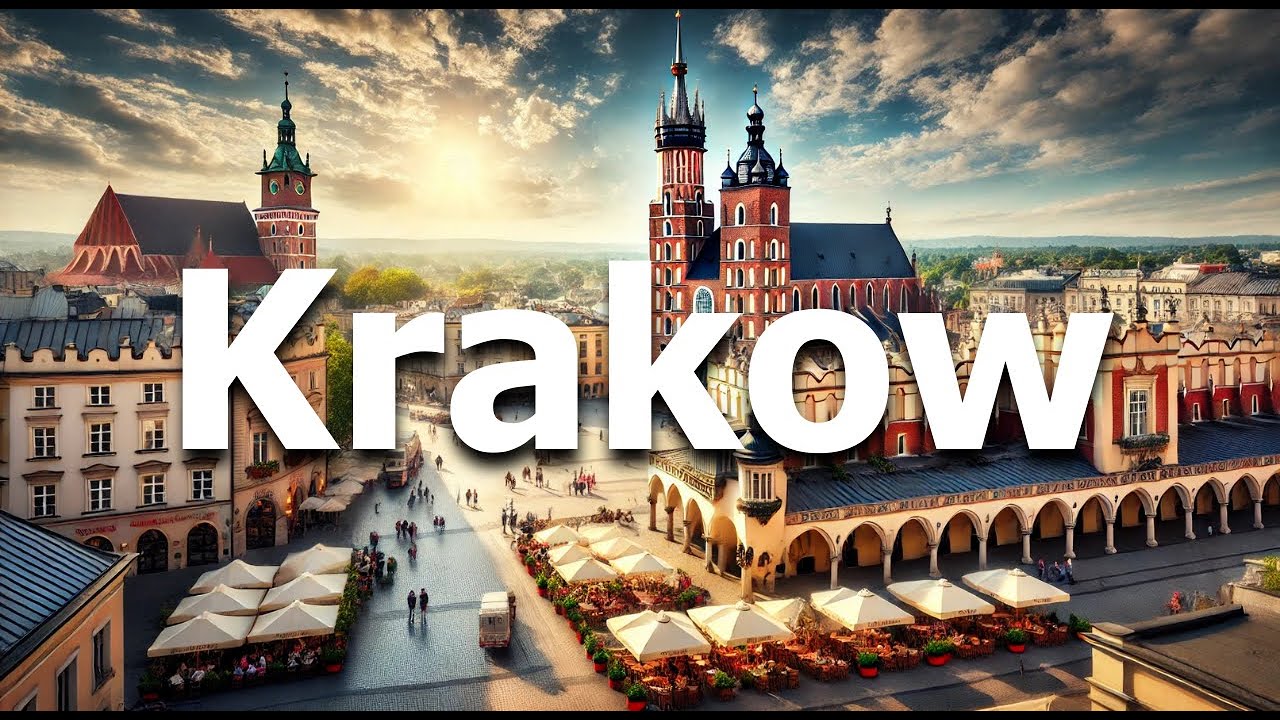
Step onto Europe’s largest medieval market square, Rynek Główny, and feel Kraków’s vibrant pulse. This breathtaking expanse, laid out in 1257, is the undisputed social and historical hub. Marvel at the intricate facades of Renaissance townhouses, witness the hourly hejnał bugle call from St Mary’s Basilica tower, and soak in the lively atmosphere from bustling cafes. Dominating the centre is the magnificent Sukiennice (Cloth Hall), a testament to Kraków’s mercantile past. People-watching here is an art form, and the square transforms throughout the day – serene mornings, bustling afternoons, and romantically lit evenings. It’s the perfect starting point for understanding the city’s layout and spirit, embodying why exploring free places to visit in Kraków is so rewarding. Its sheer scale and architectural harmony are unforgettable.
St Mary’s Basilica (Exterior & Bugle Call)
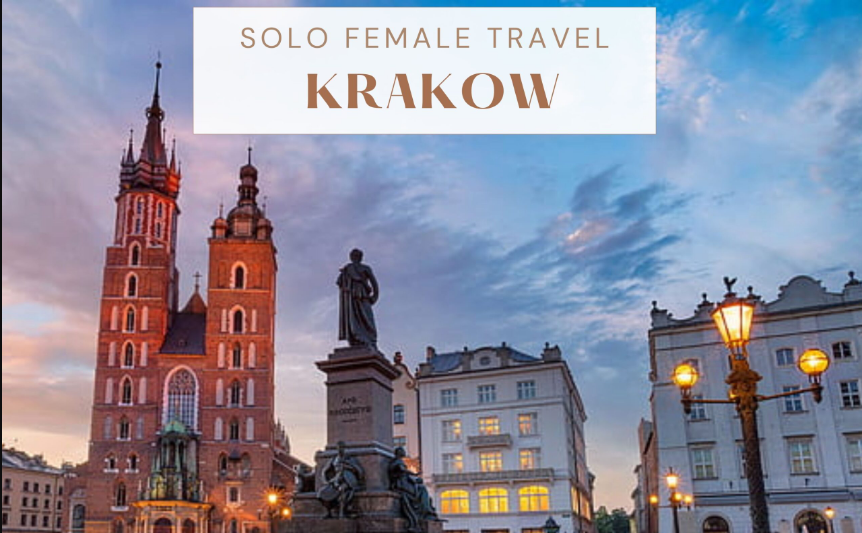
Dominating the Main Square’s skyline, St Mary’s Basilica (Kościół Mariacki) is a stunning example of Polish Gothic architecture. While entering the awe-inspiring interior requires a ticket, appreciating its formidable brick facade, asymmetrical towers, and intricate detailing costs nothing. The taller Hejnalica tower is home to Kraków’s most famous tradition: the hejnał mariacki. Every hour, on the hour, a fireman trumpeter plays a plaintive melody from each of the tower’s four windows. The tune abruptly cuts off, commemorating a legendary 13th-century sentry shot mid-call warning of a Tatar invasion. Hearing this haunting call echo across the square is a quintessential, profoundly moving free Kraków experience. Gather in the square below to witness this unique ritual that binds the present to centuries past.
Sukiennice (Cloth Hall)
The majestic Sukiennice, anchoring the centre of Rynek Główny, is far more than just a beautiful building; it’s a living piece of history and commerce. Originally a hub for cloth traders in the medieval period, its current stunning Renaissance form dates from the 16th century. While the upper floor houses the excellent National Museum Gallery (ticketed), freely wandering its cavernous ground floor arcade is a delight. Today, it buzzes with souvenir stalls selling traditional Polish crafts, amber jewellery, and local delicacies. Admire the ornate sculpted heads adorning the walls and the elegant archways. Stepping inside offers respite from the elements and a chance to feel the building’s mercantile heritage. It’s a prime example of how free places to visit in Kraków are often its most iconic landmarks, integral to daily life.
Planty Park
Encircling the entire Old Town (Stare Miasto) like a lush green necklace, Planty Park is Kraków’s beloved urban oasis. Created in the early 19th century after the medieval city walls were dismantled, it replaced the old moats with gardens, fountains, statues, and tree-lined pathways. Stretching for approximately 4 kilometres, it offers a wonderfully peaceful escape from the busier squares and streets. Wander beneath mature trees, discover charming monuments (like the statue of composer Lili Boulanger), find a bench to relax, or simply use it as a scenic pedestrian route between sights. It’s perfect for a leisurely stroll, a morning jog, or a picnic. Planty beautifully demonstrates Kraków’s commitment to green spaces, providing essential breathing room and connecting neighbourhoods – a serene, free attraction enjoyed daily by locals and visitors alike.
Wawel Hill Grounds & Cathedral Courtyard
Ascend to Wawel Hill, the symbolic heart of Polish nationhood for centuries, where kings ruled and saints are interred. While entering the Royal Castle State Rooms, Cathedral interiors, or the Dragon’s Den requires tickets, exploring the extensive grounds is completely free and utterly captivating. Wander through the elegant arcaded courtyards, admire the imposing architecture from various angles, and stroll along the fortified ramparts offering panoramic vistas over the Vistula River and the city skyline. Pay your respects at the Katyń Cross and the Smolensk memorial. The exterior of Wawel Cathedral, with its distinctive golden dome and myriad chapels, is a masterpiece in itself. Accessing the inner Cathedral courtyard allows you to appreciate its scale and atmosphere. This regal hilltop complex is a must-see amongst free places to visit in Kraków, steeped in history and offering stunning perspectives.
Smocza Jama (Dragon’s Den Exterior & Statue)
Nestled at the foot of Wawel Hill, on the banks of the Vistula River, lies the entrance to Smocza Jama (Dragon’s Den) – a limestone cave steeped in the city’s most famous legend. While descending into the cave itself (a short but atmospheric walk) requires a small ticket, encountering the formidable bronze Wawel Dragon statue outside is entirely free. Designed by Bronisław Chromy in 1972, this six-legged beast periodically breathes real fire (usually every few minutes, triggered by SMS – a modern twist!), much to the delight of children and adults alike. The legend tells of a dragon terrorising the city until clever shoemaker Skuba tricked it into eating a sulphur-filled sheep, causing it to explode after drinking from the Vistula. This iconic statue is a fun, photogenic, and quintessentially Kraków free attraction.
Vistula Boulevards
For a tranquil escape with postcard-perfect views, stroll along the Vistula River Boulevards (Bulwar Czerwieński and Bulwar Wołyński) running beneath Wawel Hill. This beautifully landscaped promenade offers unparalleled perspectives of the Royal Castle and Cathedral towering above. Watch riverboats glide past, cyclists whizz by, and locals enjoying leisurely walks. In warmer months, the atmosphere is lively, with pop-up cafes and people relaxing on the grassy banks. Look out for the striking modern Bernatek Footbridge adorned with quirky acrobat sculptures. This riverside walk provides a different, more relaxed pace compared to the bustling Old Town and connects beautifully to walks in the Kazimierz district. It’s a wonderful spot for photography, contemplation, or simply enjoying the fresh air – a peaceful free place to visit in Kraków beloved by romantics and sightseers.
Kazimierz
Once a separate city, Kazimierz is Kraków’s historic Jewish quarter, now a captivating blend of poignant history, revitalised synagogues, bohemian cafes, vibrant street art, and an undeniable creative energy. Simply wandering its labyrinthine streets (like Szeroka, Józefa, and Meiselsa) is a fascinating free experience. Admire the mix of dilapidated pre-war buildings and beautifully restored townhouses, browse independent galleries and vintage shops, and soak up the unique atmosphere. While entering active synagogues like Remuh or Tempel requires tickets, you can freely appreciate their exteriors and the ambience of the old squares. Kazimierz comes alive in the evenings, buzzing with locals and visitors enjoying its renowned restaurants and bars. Exploring its streets offers profound insights into Kraków’s complex past and dynamic present, making it a cornerstone of any free walking tour Krakow itinerary.
Plac Bohaterów Getta
Located in the Podgórze district, across the river from Kazimierz, Plac Bohaterów Getta (Ghetto Heroes Square) is a deeply moving and essential site. This was the central square within the Kraków Ghetto, established by the Nazis in 1941. The square’s powerful memorial, designed by Piotr Lewicki and Kazimierz Łatak and unveiled in 2005, features 70 large, scattered bronze chairs. These represent the furniture and belongings Jews were forced to abandon during the brutal liquidation of the ghetto in 1943, and symbolise the thousands of lives lost. Standing amidst these empty chairs on the quiet square is a profoundly sombre and reflective experience. Nearby plaques and remnants of the ghetto wall (fragments remain at ul. Lwowska 25-29 and ul. Limanowskiego 62) add context. It’s a vital, free place to visit honouring memory and resilience.
Church of St. Peter and St. Paul
Tucked just off Grodzka Street, en route to Wawel, stands the Church of Saints Peter and Paul (Kościół ŚŚ. Piotra i Pawła), a stunning example of early Baroque architecture in Poland. Its imposing facade, modelled on Rome’s Chiesa del Gesù, features statues of Jesuit saints and the Polish Eagle. While known for its remarkable acoustics and Foucault’s Pendulum inside (ticketed entry applies for concerts/special viewings), the church interior is often freely accessible outside of service times and scheduled events. Step inside to marvel at the opulent marble altars, intricate stucco work by Giovanni Battista Falconi covering the vault, and the dramatic illusionistic frescoes. The theatrical grandeur of its design makes it a captivating free attraction, showcasing Kraków’s rich religious artistic heritage. Check opening times for unrestricted access periods.
Church of St. Andrew
A rare and remarkable survivor, the Church of St. Andrew (Kościół Św. Andrzeja) on Grodzka Street is one of Kraków’s oldest buildings, dating back to the late 11th century. Its robust, fortress-like Romanesque structure, characterised by thick walls and small, high windows (designed for defence), stands in stark contrast to the later Baroque splendour surrounding it. While its exterior is imposing and historically fascinating, the interior is equally compelling and freely accessible outside of services. Step inside to discover a stunning transformation: a lavish Baroque interior added in the 18th century. The contrast between the severe, defensive exterior and the ornate, gilded Rococo altarpieces and pulpit inside is truly breathtaking. This unique juxtaposition makes St. Andrew’s an unmissable free place to visit in Kraków for architecture enthusiasts.
Jan Matejko Square & Barbican
Marking the northern entrance to the Old Town, Jan Matejko Square (Plac Jana Matejki) is dominated by the monumental Grunwald Monument commemorating the 1410 battle. However, the true star for medieval history buffs is the adjacent Barbakan (Barbican). This formidable circular fortress, built around 1498, is one of Europe’s largest and best-preserved Gothic barbicans. While entering the inner chambers requires a ticket (combined with the City Walls), admiring its massive, brick-built exterior is entirely free and awe-inspiring. Walk around its perimeter, marvel at the thickness of its walls and the seven turrets, and imagine its role in defending the city gates (the Floriańska Gate stands just beyond). The Barbican is a powerful reminder of Kraków’s medieval military strength and a fantastic photo opportunity – a standout amongst free attractions showcasing the city’s defensive past.
Kościuszko Mound
For sweeping views and a dose of national pride, head to Kościuszko Mound (Kopiec Kościuszki) in the western Zwierzyniec district. This impressive, man-made earth mound, reaching 34 metres high, was erected between 1820-1823 by Poles from all partitions as a tribute to the national hero, General Tadeusz Kościuszko. While ascending the mound itself requires a ticket (which includes the nearby chapel and fortress museum), the extensive surrounding parkland offers beautiful woodland walks and, crucially, free panoramic views of Kraków and the distant Tatra Mountains from its base and nearby paths, especially from the area near the Austrian fortress walls. It’s a popular spot for locals to relax, jog, or enjoy the scenery. The sense of space and the vista make the journey worthwhile, offering a different perspective on the city as a rewarding free place to visit.
Nowa Huta
Venture beyond the medieval core to experience a fascinating chapter of 20th-century history in Nowa Huta (“New Steel Mill”). Conceived post-WWII as a model socialist city for workers at the massive Lenin Steelworks, its planned layout is a striking example of Socialist Realist architecture. Exploring its central axis, Plac Centralny (now Ronald Reagan Square), and radiating avenues is completely free. Admire the monumental, neoclassical-inspired apartment blocks, grandiose administrative buildings, and vast green spaces designed for communal living. Look for subtle architectural details reflecting the era’s ideology. While visiting specific sites like the Lord’s Ark Church (a symbol of resistance) or the Nowa Huta Museum requires planning/tickets, simply wandering the district provides a powerful glimpse into Poland’s communist past and the contrast with historic Kraków. A free walking tour Krakow often includes this unique area.
MOCAK Courtyard & Murals
Located within the vast post-industrial site of the former Oskar Schindler’s Enamel Factory in Zabłocie, MOCAK (Museum of Contemporary Art in Kraków) is a hub for modern creativity. While the main exhibitions are ticketed, the museum’s philosophy extends to its public spaces. The large, accessible courtyard frequently showcases intriguing large-scale outdoor sculptures and installations, freely viewable by all. Furthermore, the surrounding buildings on the Schindler Factory site complex feature impressive, ever-evolving murals by renowned street artists. Taking a stroll around the Zabłocie area, particularly Lipowa Street and the paths around MOCAK and the adjacent Schindler’s Factory Museum, becomes an open-air gallery experience. This integration of contemporary art into the urban fabric makes it a dynamic and thought-provoking free attraction in Kraków’s revitalised post-industrial south.
Cricoteka Centre
Situated on the banks of the Vistula in Podgórze, Cricoteka is a striking piece of modern architecture seemingly suspended above an old power plant building. It serves as the archive, museum, and institute dedicated to the revolutionary Polish theatre director and artist Tadeusz Kantor. While the main exhibitions require tickets, the ground floor often hosts free smaller displays, installations, or information points related to Kantor’s work. More significantly, the building itself, designed by nsMoonStudio, is an attraction. Walk underneath its bold red structure, admire its reflection in the river, and enjoy the views from the surrounding riverside paths. The adjacent Podgórze boulevards offer pleasant walks. Cricoteka’s bold presence and its contribution to Podgórze’s cultural landscape make it a noteworthy free place to visit in Kraków for architecture and contemporary culture admirers.
Hala Targowa (Market Hall)
For an authentic taste of everyday Kraków life, head to Hala Targowa (Market Hall) in the Grzegórzki district, just east of the Old Town near the railway lines. This large, functionalist market hall, built in the interwar period, buzzes with local activity. Inside, you’ll find rows of stalls selling fresh produce, meats, cheeses, flowers, household goods, and more. While you might be tempted to buy some delicious Polish cheese or seasonal fruit, simply wandering the aisles, observing the vendors and shoppers, and soaking up the sights, sounds, and smells costs nothing. It’s a world away from the tourist-centric souvenir stalls of the Main Square. Nearby, explore Plac Nowy in Kazimierz for its iconic round market building (Okrąglak) famous for zapiekanki (open-faced baguette pizzas). Hala Targowa offers a genuine, vibrant glimpse into local commerce, a unique free attraction.
Kraków’s magic lies not just in its world-class museums and palaces, but equally in the wealth of experiences it freely shares. From the grandeur of Rynek Główny and the serenity of Planty Park to the poignant history of Kazimierz and Ghetto Heroes Square, the architectural wonders like St. Peter and Paul’s, and the unique perspectives of Nowa Huta or Kościuszko Mound, the city offers an unparalleled depth of free places to visit in Kraków. Embarking on a free walking tour Krakow is an excellent way to orient yourself and discover many of these gems with insightful context. Whether you’re captivated by medieval history, moved by 20th-century narratives, charmed by local markets, or simply seeking beautiful vistas, Kraków welcomes you with open arms and a remarkable array of free attractions. This generosity ensures that exploring its rich tapestry is truly accessible, leaving you enriched without emptying your wallet. Pack comfortable shoes, embrace curiosity, and discover the soul of Kraków, freely.