Dubai is known for its ambitious projects that blend modernity with cultural heritage. Among these, the Quranic Park stands out as a unique destination. It offers a serene and educational journey into the teachings and natural world mentioned in the Holy Quran. The park’s centerpiece, the Glass House, is a marvel of modern design built for a specific, enlightening purpose.
This travel guide provides a detailed look at what you will find inside the Glass House. It explains the significance of its contents and the overall experience of the Quranic Park. You will get a clear perspective on the value it offers to different types of visitors, from residents to international tourists.
Our goal is to give you all the necessary information to decide if a visit to this distinctive attraction aligns with your interests. We will cover the botanical wonders, the historical context, and the practical details of planning your trip.
An Introduction to Quranic Park and the Glass House
Quranic Park is a vast cultural and recreational site spanning over 60 hectares. It opened in 2019 with the aim of presenting the scientific and botanical facts mentioned in the Holy Quran. The park is designed to be both a place of leisure and a center for learning, inviting visitors to reflect on Islamic heritage.
The park is divided into several zones, including the Cave of Miracles and ornamental gardens. The Glass House is arguably the main attraction within this complex. It is a climate-controlled conservatory that protects and displays a collection of plants with scriptural significance.
This structure itself is an impressive feat of engineering. It maintains specific environmental conditions to allow these special plants to thrive in the heart of the desert. The Glass House provides a tangible connection to the verses of the Quran, making ancient texts come alive through nature.
Understanding the park’s overall theme is key to appreciating the Glass House. Every element is curated to educate and inspire. It is more than a garden; it is an interactive museum of natural history from an Islamic perspective.
- A Cultural Landmark: The park is dedicated to showcasing the scientific and historical facts found within the Holy Quran.
- Architectural Significance: The Glass House is a large, modern conservatory designed to replicate ideal growing conditions for its precious botanical collection.
- Primary Purpose: It serves an educational mission, allowing visitors to see and learn about plants cited in Islamic scripture.
What You Will Find Inside the Glass House
The interior of the Glass House is a lush, green oasis that feels worlds away from the surrounding desert. It is meticulously organized to facilitate learning and contemplation. The main feature is a collection of plants, each marked with its common name, scientific name, and the specific Quranic verse that references it.
You will see plants like the Fig tree, the Olive tree, the Pomegranate tree, and the Basil plant. Each specimen is grown and maintained with great care. Informational plaques provide context, explaining the historical and religious importance of each plant in Islamic tradition and wider Middle Eastern culture.
The design of the pathways and layout ensures a smooth, self-guided tour. The environment is cool and humid, a deliberate contrast to Dubai’s climate. This controlled atmosphere is essential for the health of the plants and enhances the visitor’s experience, making it a refreshing retreat.
The combination of visual beauty and rich information creates a multi-sensory learning experience. It is not just about looking at plants; it is about understanding their role in history, medicine, and cuisine as described in ancient texts. The display connects faith, science, and nature in a single, powerful exhibit.
- Botanical Collection: Features over 30 plants mentioned in the Quran and Hadith, such as dates, olives, figs, pomegranates, ginger, and mustard.
- Educational Displays: Each plant is accompanied by detailed signage with its scientific name and the corresponding verse from the Quran.
- Immersive Environment: A climate-controlled indoor garden that provides a cool, shaded, and educational walking tour.
The Significance of the Plants and Their Quranic References
The plants inside the Glass House are not randomly selected. Each one has a direct link to verses in the Quran, giving them deep religious and cultural significance. For example, the date palm is mentioned multiple times and is a symbol of life and prosperity in the region.
The Olive tree is highlighted in the Quran as a blessed tree and a source of light. This reflects its historical value for food, oil, and trade throughout the Mediterranean and Middle East. Seeing these plants in person adds a layer of depth to the understanding of these scriptures.
Other plants, like ginger and camphor, are described as being present in the rewards of Paradise. This connects the botanical world to spiritual teachings and the concept of divine reward. The Glass House makes these abstract concepts more concrete and relatable.
This exhibit underscores a key message: that the Quran encourages observation and reflection on the natural world. The plants serve as evidence of creation and divine wisdom. The display appeals to both religious scholars and those interested in the history of science and botany.
- Historical Context: The plants represent species that have been vital to Middle Eastern survival, trade, and culture for millennia.
- Scriptural Connection: Each plant is a living reference to a specific verse, deepening the understanding of Islamic teachings for visitors.
- Cultural Symbolism: Species like the date palm and olive tree are powerful symbols of life, blessing, and resilience in Islamic culture.
Other Key Attractions Within Quranic Park
While the Glass House is a primary draw, Quranic Park offers other significant attractions. The Cave of Miracles is another major highlight. It uses advanced technology and exhibits to present scientific miracles mentioned in the Quran long before they were proven by modern science.
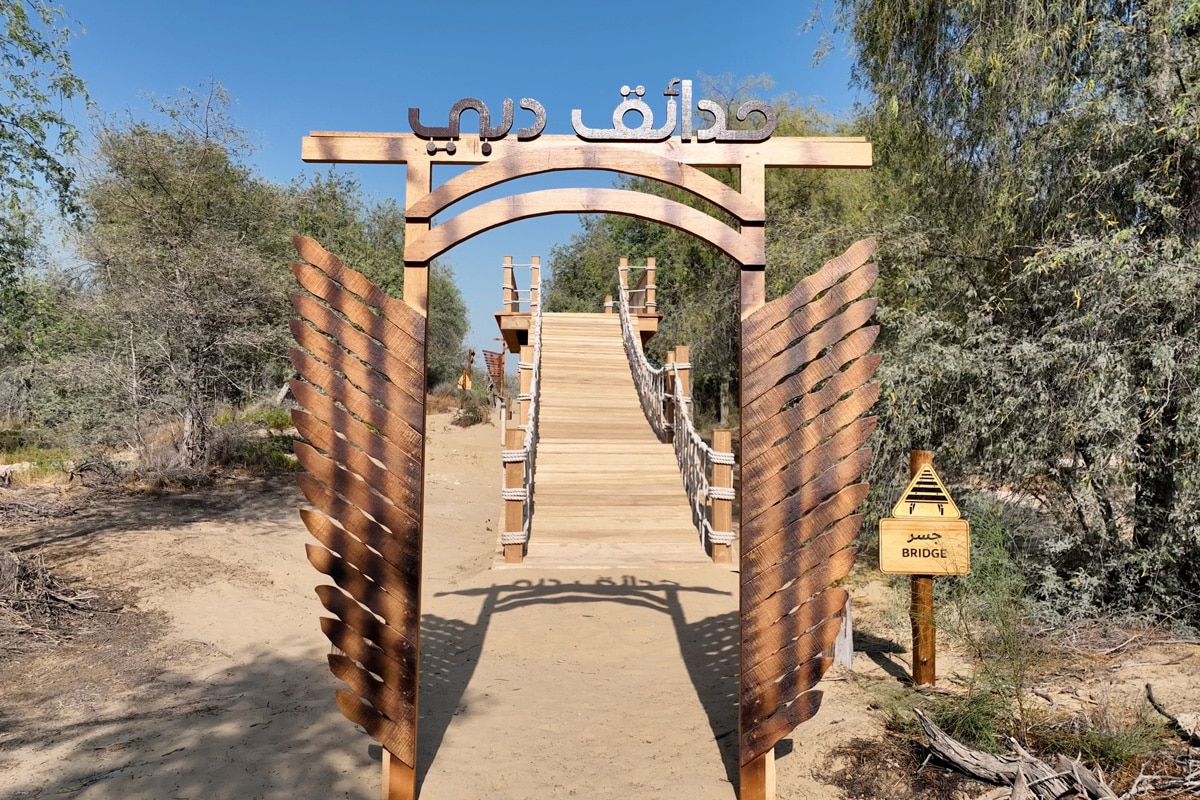
The park also features beautiful ornamental gardens, walking paths, and picnic areas. These spaces are designed for families to relax and enjoy the outdoors. A children’s play area and a sun dial are also located within the grounds, adding to the recreational appeal.
Another area is dedicated to the Plants of Sunnah, showcasing herbs and plants recommended by the Prophet Muhammad (PBUH) for their medicinal and nutritional benefits. This expands on the educational theme of the park beyond the Quranic text itself.
These additional features make a visit to the park a well-rounded experience. You can easily spend several hours exploring the different sections. The park successfully blends solemn, educational moments with lighthearted family fun.
- The Cave of Miracles: An immersive exhibition showcasing scientific facts mentioned in the Quran, such as the development of the human embryo and the nature of the deep seas.
- Family Amenities: Includes spacious green areas for picnics, a children’s playground, and comfortable walking paths for leisure.
- Plants of Sunnah Garden: A separate garden area featuring plants like black seed and henna that are cited in the Hadith for their beneficial properties.
Who Should Visit the Glass House and Quranic Park?
This attraction holds particular value for Muslim families and individuals seeking to deepen their understanding of their faith. It provides a unique, hands-on way to connect with the Quran. It is an excellent educational trip for school groups and religious studies students.
The park also appeals to tourists interested in cultural and historical sites. It offers a different perspective on Dubai, moving beyond skyscrapers and shopping malls. Visitors with an interest in botany, gardening, or history will find the Glass House fascinating.
For residents of the UAE, the park serves as a peaceful green space for weekend outings. It is a place for relaxation that also offers intellectual and spiritual enrichment. The blend of nature and knowledge makes it suitable for a wide audience.
However, those seeking thrill rides or high-energy entertainment might not find this to be their preferred destination. The experience is geared toward contemplation, learning, and quiet enjoyment of nature. It is a place for a slower, more thoughtful pace.
- Muslim Families and Pilgrims: An ideal destination for those wishing to explore their religious heritage in a tangible, educational setting.
- Cultural Tourists: Visitors looking to experience the cultural and historical depth of Dubai beyond its modern attractions.
- Nature and History Enthusiasts: Individuals and groups with an interest in botany, ancient history, and the intersection of science and religion.
Practical Information for Planning Your Visit
Quranic Park is located in Al Khawaneej, Dubai. It is easily accessible by car, and ample parking is available on site. Public transportation options are more limited, so driving or taking a taxi is often the most convenient choice.
The park has specific operating hours. It is typically open from 9:00 AM to 10:00 PM from Saturday to Thursday, and from 9:00 AM to 11:00 PM on Fridays. It is advisable to check the official website or social media channels for any changes in timing before your visit.
There is an entrance fee for the park, with separate tickets required for the Glass House and the Cave of Miracles. Discounts are usually available for children, students, seniors, and people of determination. Combo tickets for multiple attractions offer better value.
The best time to visit is during the cooler months, from October to April. While the Glass House is air-conditioned, exploring the rest of the park is more pleasant in mild weather. Mornings and weekdays are generally less crowded than weekends.
- Location: Al Khawaneej Area, near the Dubai Municipality Nursery, Dubai.
- Ticketing: Separate paid entry for the park, the Glass House, and the Cave of Miracles. Combo tickets are available.
- Best Time to Visit: Evenings and cooler winter months for comfortable exploration of the entire park grounds.
Assessing the Value: Is a Visit Worth Your Time and Money?
The value of a visit depends largely on your interests and expectations. For those interested in Islamic culture, history, or botany, the experience is undoubtedly worthwhile. The Glass House offers a unique educational opportunity that is difficult to find anywhere else in the world.
The cost of entry is reasonable, especially when considering the maintenance required for the specialized botanical conservatory. The knowledge gained and the serene environment provide good value for the price of admission. The park is also a affordable family outing compared to many other Dubai attractions.
If you are short on time and only interested in high-energy entertainment, this may not be the top priority for your itinerary. However, if you want a break from the city’s hustle and an activity that is both relaxing and intellectually stimulating, it is an excellent choice.
Ultimately, the Glass House provides a distinct and meaningful experience. It successfully fulfills its mission of making Quranic references accessible and engaging. For anyone curious about the natural world of the Quran, it is a destination that is absolutely worth visiting.
- For Culture and Education: High value for visitors seeking knowledge about Islamic history and the botanical references in the Quran.
- Cost-Effective Outing: Offers a full experience at a reasonable price point, especially with combo tickets for multiple attractions.
- Niche Appeal: Its value is highest for those with a pre-existing interest in the subject matter, though it can be enlightening for all open-minded visitors.