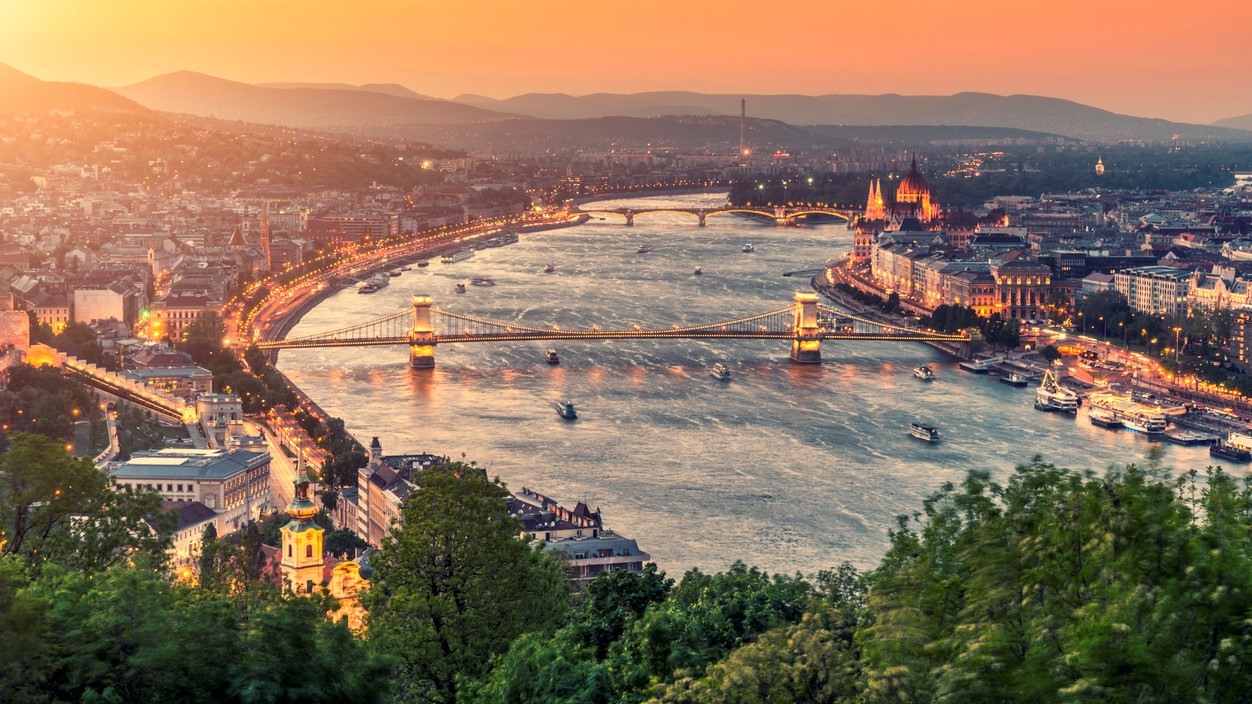
As an Italian woman who’s wandered Budapest solo, I know firsthand the mix of excitement and caution that comes with exploring a new city alone. You’re probably wondering, is Budapest safe for solo female travellers? From my experience, the answer is a resounding yes—with smart precautions. This stunning Danube-divided capital feels remarkably secure compared to other European hubs, boasting low violent crime rates and locals who generally respect personal space. During my weeks here, I wandered historic neighborhoods comfortably, navigated efficient public transport confidently, and never faced harassment beyond occasional curious glances. The key lies in staying aware in crowded areas like markets or trams, avoiding poorly lit streets after dark, and trusting your intuition just as you would in Rome or Milan. Budapest’s compact layout means you’re rarely isolated, and English is widely spoken if assistance is needed. Pack comfortable walking shoes and a crossbody bag, and you’ll unlock one of Europe’s most rewarding solo adventures.
Buda Castle District
Perched high above the Danube, Buda Castle offers fairytale views and an immediate sense of security. I felt completely at ease strolling the cobbled streets here even at dusk, surrounded by families and couples enjoying the panorama. The castle complex itself houses multiple museums, but simply wandering the Baroque courtyards and admiring the architecture is a delight. Royal guards at the gates add a charming touch of ceremony without feeling intimidating. From this vantage point, the glittering Parliament building unfolds across the river like a storybook illustration.
What struck me most was how accessible everything felt. Ramps and elevators integrate seamlessly with historic staircases, making navigation easy with a daypack. I spent hours people-watching near the Matthias Fountain, where the atmosphere remains relaxed yet vibrant. Street performers add cheerful background music without being intrusive. For solo travelers, the castle grounds provide that perfect balance of having plenty of people around without feeling crowded—a reassuring environment when exploring alone.
Practicality shines here too. Clean public restrooms are available near the main courtyard (keep some Hungarian forints handy for attendants), and several cafés offer outdoor seating perfect for regrouping. I loved sipping rich Hungarian coffee at Ruszwurm Confectionery, established 1827, watching local life unfold. Police patrols are visibly present but unobtrusive, adding subtle reassurance. Just remember to wear grippy shoes—those centuries-old cobblestones can be slippery after rain!
Key Highlights:
- Why Visit: Panoramic city views create orientation confidence while feeling peacefully removed from urban bustle
- Key Experiences: Changing of the Guard ceremony (daily 10am-5pm), Budapest History Museum courtyards, Trinity Square architecture
- Ideal Time: Weekday mornings (9am-11am) for thinner crowds; golden hour for photography
- Getting There: Take bus 16 from Deák Ferenc tér or funicular from Clark Ádám tér (both accessible)
Pro Tips: Use the free Castle Hill bus (Várbusz) between sights to conserve energy; purchase combined tickets for museums online to avoid queues
Fisherman’s Bastion
With its seven turreted towers symbolizing ancient Magyar tribes, Fisherman’s Bastion feels like stepping into a Gothic fairytale. I visited twice—once at dawn with barely another soul around, and again mid-morning—and felt utterly safe both times. The upper terraces require a small fee but offer breathtaking Parliament views worth every penny, while the lower levels remain freely accessible. What comforted me most was the open design; with wide viewing platforms and excellent visibility, you never feel confined or vulnerable.
Morning brings yoga groups unfurling mats against the panorama, while daytime fills with sketching artists and history enthusiasts. I struck up delightful conversations with fellow solo travelers from Japan and Canada near the St. István statue—proof this spot attracts respectful global explorers. For those concerned about personal safety when traveling alone as a woman, the Bastion’s layout provides natural reassurance: multiple exit points, ample seating to observe surroundings, and regular security patrols.
Don’t miss the labyrinthine staircases beneath the bastion leading to quiet terraces with equally stunning vistas. These slightly hidden spots felt perfectly secure in daylight hours and offered peaceful respite. Nearby, the charming Castle District streets feature artisan shops where I found beautiful hand-painted porcelain souvenirs. Just be mindful of uneven steps between levels and hold handrails—some staircases are centuries old!
Key Highlights:
- Why Visit: Iconic photo opportunities with safe, uncrowded vantage points even during peak season
- Key Experiences: Sunrise photography from Halászbástya terrace, exploring hidden staircases, Matthias Church roof details
- Ideal Time: Sunrise for solitude or weekdays 3pm-5pm for softer light and thinner crowds
- Getting There: 15-minute walk from Buda Castle or bus 16 to Szentháromság tér stop
Pro Tips: Buy terrace tickets online to bypass lines; the lower courtyards offer equally beautiful free views
Margaret Island
This 2.5km Danube island sanctuary became my urban retreat. Accessible via the Margaret Bridge lift (a blessing with bags!), the island functions as Budapest’s communal backyard. Joggers, cyclists, and families dominate the car-free paths, creating a wholesome atmosphere where I never hesitated to explore alone. Renting a bike near the entrance allowed me to cover the entire perimeter while feeling completely secure—the dedicated lanes prevent pedestrian collisions.
Highlights include the musical fountain shows (daily 10:30am-9pm), where I joined locals picnicking on the grass, and the petite Japanese Garden with its meditative koi ponds. For solo travelers prioritizing secure public spaces in Budapest, Margaret Island delivers with its open sightlines, regular park staff patrols, and welcoming vibe. I particularly loved the “water tower” climbing wall—staff helped me harness up securely for panoramic views across the island.
Practical amenities abound: clean restrooms near the main fountain, water refill stations, and cafés with visible staff. The island’s size means you’re never isolated, yet the abundant trees provide lovely shade. If walking the entire loop feels daunting, the cute “Bringóhintó” pedal carts seat 2-6 people—I teamed up with Austrian travelers for a joyful hour of pedaling past rose gardens and medieval ruins.
Key Highlights:
- Why Visit: Safe green oasis with recreational options from thermal spas to open-air theaters
- Key Experiences: Palatinus Strand thermal pools, musical fountain performances, medieval Dominican convent ruins
- Ideal Time: Weekday mornings for serene walks; summer evenings for concerts
- Getting There: Tram 4/6 to Margit híd stop + elevator descent; bus 26 from Nyugati tér
Pro Tips: Free water fountains near the fountain show area; rent bikes at entry points for easier exploration
Széchenyi Thermal Baths
Experiencing Budapest’s legendary thermal culture solo initially felt intimidating, but Széchenyi’s orderly structure eased my concerns. The grand Neo-Baroque complex maintains clear zones: the lively outdoor pools where chatter fills the air, and quieter indoor sections perfect for tranquil soaking. I opted for a cabin rental (worth the small fee) for secure changing and storing my belongings. Female attendants patrol locker rooms frequently, and wristband-activated lockers add security.
What impressed me most was the unspoken etiquette. Locals mind their own relaxation, making it easy to blend in. I floated happily in the 38°C central pool, joining chess players at the water tables. For solo female travelers considering thermal bath safety in Budapest, Széchenyi’s visibility reassures—poolside attendants monitor constantly, and the open-air design prevents enclosed spaces. I felt completely comfortable reading my book between dips.
Practical tips: Bring flip-flops (tile gets slippery!), a waterproof watch, and a silicone ring for your locker key. Arriving at opening time (9am weekdays) guarantees the cleanest water and thinnest crowds. The on-site café serves light meals—I enjoyed apricot strudel at a poolside table. Remember to hydrate frequently; the warm mineral water is more dehydrating than you’d expect!
Key Highlights:
- Why Visit: Iconic Budapest wellness experience with secure facilities designed for public use
- Key Experiences: Outdoor thermal pools, steam rooms, underwater chess matches
- Ideal Time: Weekday mornings (9am-11am) for serenity; winter afternoons for steam rising dramatically in cold air
- Getting There: M1 yellow metro to Széchenyi fürdő station (directly opposite entrance)
Pro Tips: Rent a cabin instead of locker for more privacy; bring your own towel to avoid rental fees
Hungarian Parliament Building
Gazing up at this Gothic Revival masterpiece from Kossuth Square, I understood why it’s among Europe’s most stunning government buildings. Guided tours (book well ahead!) provide secure, structured access—perfect for solo exploration. Security resembles airport screening: efficient and thorough without being intrusive. Our English-language group stayed together throughout, following a knowledgeable guide through ornate staircases and the breathtaking Crown Jewels hall.
Inside, the atmosphere feels hushed and respectful. Guards stand discreetly in every hall, providing subtle reassurance without militaristic presence. What I appreciated most was the tour’s pacing—ample time to admire details like the 40kg gold ceiling while never feeling rushed or separated from the group. For women traveling independently in Budapest, such organized activities eliminate navigation stress while maximizing safety.
After your tour, stroll the perimeter along the Danube. The riverside promenade offers magnificent photo angles, especially near the “Shoes on the Danube Bank” memorial. I felt completely safe walking here midday with tourists and locals alike admiring the architecture. Just across the square, the Ethnography Museum café makes a lovely pit stop—their sour cherry lemonade revived me splendidly!
Key Highlights:
- Why Visit: Professionally guided access to Budapest’s architectural crown jewel ensures secure exploration
- Key Experiences: Crown Jewels viewing, Grand Staircase, Dome Hall’s 16-sided symmetry
- Ideal Time: Early afternoon tours (1pm-3pm) for post-lunch energy; winter for fewer crowds
- Getting There: Tram 2 to Kossuth Lajos tér stop (directly in front); M2 red metro to Batthyány tér + short walk
Pro Tips: Book tickets weeks ahead via official parliament website; bring passport for security check
Váci Street & Central Market Hall
These adjacent landmarks offer vibrant immersion in Budapest’s daily rhythms. Váci Street, a pedestrianized shopping corridor, buzzes with energy yet feels completely secure thanks to visible police patrols and family-oriented crowds. I window-shopped Hungarian embroidery and sipped kürtőskalács (chimney cake) from reputable vendors without hesitation. The atmosphere remains lively but not rowdy—no hawkers or intense touting.
Just behind it, the Central Market Hall’s grand neo-Gothic structure houses two floors of culinary treasures. Ground level features produce stalls where grandmothers inspect paprika strings—a wonderfully authentic scene. Upstairs, eateries serve affordable Hungarian classics like túrós csusza (cott cheese noodles). For solo dining confidence in Budapest, the market’s communal tables foster friendly interactions; I shared lunch with Finnish students comparing travel notes.
Safety here stems from predictability: wide aisles, excellent lighting, and clear exits. Vendors generally respect personal space—a simple “nem, köszönöm” (no thank you) suffices if approached. My top tip: visit around 10am when stalls are fully set up but lunch crowds haven’t arrived. And don’t miss the basement level for non-food souvenirs away from the main bustle!
Key Highlights:
- Why Visit: Secure market environment ideal for sampling Hungarian culture and cuisine independently
- Key Experiences: First-floor lángos stalls, paprika sampling, folk craft souvenirs
- Ideal Time: Weekday mornings (9am-11am) for optimal selection without weekend crowds
- Getting There: M3/4 metro to Fővám tér station (direct access); tram 2/47/49 to same stop
Pro Tips: Carry small bills for market vendors; upstairs eateries offer better prices than ground-floor stalls
Gellért Hill & Citadella
For panoramic perspectives, Gellért Hill delivers Budapest’s most spectacular vistas—and I felt remarkably secure hiking it solo. Multiple well-marked trails ascend through wooded slopes; I chose the “Stairs of Freedom” route from Gellért Square, encountering joggers and families throughout. The Liberty Statue at the summit (Citadella) stands guard over the city, with viewing platforms offering 360-degree views.
While the hill feels beautifully wild, its popularity ensures constant foot traffic. I never walked more than five minutes without passing other visitors, creating natural safety through presence. At the summit, kiosks sell drinks and snacks, plus there’s a small museum inside the citadel fortress. For solo female travelers evaluating safety when walking in Budapest’s green spaces, Gellért Hill sets a gold standard with its maintained paths and friendly atmosphere.
Consider timing your descent to reach the Gellért Hotel’s thermal baths (separate entrance) around opening time. Their stunning Art Nouveau pools provide perfect post-hike relaxation. If hiking at dusk, stick to the main southern path—it has excellent lighting. And wear sturdy shoes! Some trails involve rocky steps where proper footwear prevents slips.
Key Highlights:
- Why Visit: Rewarding urban hike culminating in Budapest’s definitive viewpoint within secure surroundings
- Key Experiences: Liberty Statue viewing platforms, hidden cave chapel, Danube bend panoramas
- Ideal Time: Late afternoon (2 hours before sunset) for golden light; spring for blooming hillsides
- Getting There: Bus 27 from Móricz Zsigmond körtér to Búsuló Juhász stop; tram 19/41/56 to Gellért tér + walk
Pro Tips: Southern trails are best lit for evening descents; carry water as summit prices are higher
St. Stephen’s Basilica
Named after Hungary’s founding king, this neoclassical marvel dominates the Pest skyline. Inside, the reverent atmosphere and magnificent mosaics create a profoundly peaceful experience. I joined an English tour (included with entry) that explained the Basilica’s history while ensuring I never felt isolated within the vast space. The highlight? Ascending to the panoramic dome—either by elevator or 364 steps—for breathtaking city views.
Safety here is inherent: attendants monitor all areas, and the main floor stays brightly lit. For solo visitors concerned about personal security in Budapest’s religious sites, St. Stephen’s exemplifies respectful tourism. I observed quiet admiration from all visitors, with ample space for personal reflection. The surrounding square bustles with cafés where I enjoyed people-watching post-visit.
Don’t miss the treasury displaying sacred relics, including St. Stephen’s mummified right hand! Evening organ concerts (check schedules) offer sublime cultural immersion. If climbing the dome, note the staircase is narrow but well-lit and secured with handrails—take it slowly. The elevator option makes this viewpoint accessible to all fitness levels.
Key Highlights:
- Why Visit: Accessible cultural gem offering both spiritual reflection and secure city views
- Key Experiences: Treasury relics, dome panorama, evening concerts
- Ideal Time: Weekday afternoons (2pm-4pm) between tour groups; sunset from the dome
- Getting There: M3 metro to Arany János utca; trams 47/49 to Deák Ferenc tér
Pro Tips: Dome access requires separate ticket; evening concerts require advance booking via their website
Andrássy Avenue & Heroes’ Square
This UNESCO-listed boulevard connects central Pest with City Park in a grand, Parisian-style promenade. Wide sidewalks under mature trees make strolling delightful and secure—I walked its entire 2.5km length solo without hesitation. Luxury boutiques and cafés occupy street level, while the Hungarian State Opera House stands as a mid-point jewel. The avenue’s elegance attracts well-dressed locals and tourists alike, creating a sophisticated yet relaxed vibe.
At its terminus, Heroes’ Square (Hősök tere) impresses with its Millennium Monument statues honoring Hungarian leaders. The square’s vast open space feels completely safe day or early evening, frequently hosting cultural events and families feeding ducks in adjoining ponds. For women traveling alone who appreciate accessible Budapest sightseeing routes, Andrássy offers linear navigation with constant landmarks.
Consider combining your walk with a visit to City Park attractions like Vajdahunyad Castle or the Széchenyi Baths. The M1 “Millennium Underground” runs beneath the avenue—Europe’s second-oldest subway line—providing quick return transport. I loved photographing the original 1896 stations with their charming tilework. Street performers add lively notes near the Opera without overwhelming the atmosphere.
Key Highlights:
- Why Visit: Secure, iconic boulevard perfect for independent exploration with clear orientation
- Key Experiences: Opera House architecture, Kodály Körönd monument circle, Museum of Fine Arts
- Ideal Time: Morning (9am-11am) for soft light and uncrowded photos; festive seasons for decorations
- Getting There: M1 yellow metro to Oktogon (midway) or Hősök tere (terminus); tram 4/6 to Kodály Körönd
Pro Tips: M1 metro stations retain original charm; walk north to south for optimal photo lighting
Great Synagogue & Jewish Quarter
Europe’s largest synagogue complex anchors Budapest’s historically rich Jewish Quarter. Security here is visibly present yet unobtrusive—bag checks and metal detectors ensure safety without diminishing the profound experience. Inside, the Moorish Revival architecture stuns with its grandeur, while the adjacent Raoul Wallenberg Memorial Garden honors Holocaust victims with poignant “Tree of Life” sculptures.
Surrounding streets reveal a fascinating neighborhood renaissance. Design boutiques and kosher bakeries now occupy buildings once marked by war. During daylight hours, I explored freely, admiring street art and visiting the Gozsdu Courtyard’s artisan stalls. For solo female travelers prioritizing respectful cultural experiences in Budapest, the synagogue’s guided tours provide structured insight within secure premises.
The area feels welcoming rather than somber. I joined a free walking tour starting at the synagogue (tip-based), learning about Jewish Budapest’s resilience while staying within a group context. Cafés like Fröhlich Kóser offer delicious dairy-free pastries—their poppy seed cake is legendary. Just remember to dress modestly for synagogue visits (shoulders covered, no shorts).
Key Highlights:
- Why Visit: Professionally managed complex offering profound cultural insight within secure parameters
- Key Experiences: Synagogue interior, Holocaust Memorial Garden, Jewish Museum exhibits
- Ideal Time: Weekday afternoons (1pm-3pm) for fewer groups; Sunday mornings for neighborhood quiet
- Getting There: M2 red metro to Astoria; tram 47/49 to Deák Ferenc tér + 5-minute walk
Pro Tips: Buy synagogue tickets online to skip queues; combined ticket includes Jewish Museum access