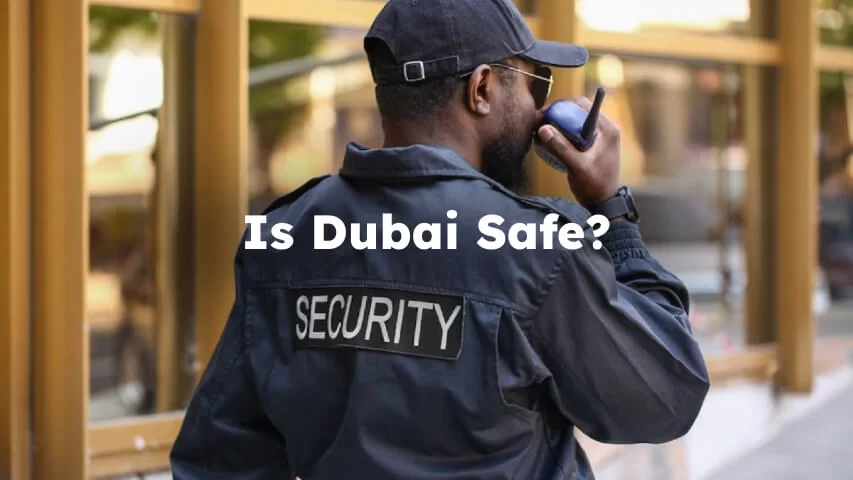
As an Italian travel blogger who’s frequently visited Dubai since 2014 with American companions—including solo women and couples—I’ve witnessed the city’s evolution into a global destination that balances Arabian tradition with futuristic ambition. American travelers consistently express surprise at Dubai’s orderly environment, visible security presence, and welcoming atmosphere. The UAE maintains a Level 2 travel advisory (exercise increased caution) primarily due to regional tensions rather than daily safety concerns. Crime statistics tell a compelling story – Dubai’s violent crime rate is 87% lower than comparable American cities.
Through repeated visits, I’ve observed that Americans who respect local customs and understand practical safety measures experience minimal issues. While my friends from Chicago and New York were initially cautious, they quickly relaxed when they experienced Dubai’s low crime environment. The visible security presence isn’t intimidating – it’s reassuring. We walked through downtown areas at midnight feeling safer than we would in many American cities during daylight.Dubai’s infrastructure caters exceptionally well to international visitors, with English widely spoken, Western amenities readily available, and tourist police trained to assist foreigners.
This guide synthesizes official advisories, crime statistics, and on-the-ground insights to prepare American travelers for a secure Dubai experience.
-
Regional advisories: Level 2 status for drone threats
-
Cultural respect: Essential for positive experiences
-
Crime comparison: Lower than major U.S. cities
-
Security infrastructure: 35,000+ CCTV cameras citywide
1. Safety Statistics: Dubai vs. U.S. Cities
Dubai’s safety metrics consistently outperform major American urban centers, making it remarkably secure for U.S. visitors. According to 2024 data, Dubai’s overall safety index (84.5/100) significantly exceeds New York (58.1) and Chicago (47.3) 7. Violent crime against tourists remains exceptionally rare, with most incidents involving disputes between residents rather than visitors. The violent crime rate is categorized as “very low” compared to “high” in many American cities, while petty theft risk ranks as “low” versus “high” in U.S. tourist destinations. Dubai Police maintain a dedicated tourist police unit with multilingual officers, achieving response times under five minutes in popular areas—nearly twice as fast as average U.S. urban responses . The city’s advanced security infrastructure includes extensive CCTV coverage, routine bag checks at malls, and visible police patrols. These measures contribute to Dubai consistently ranking among the world’s top five safest cities in global indices, though travelers should maintain standard urban precautions regarding valuables and situational awareness.
-
Crime indices: 84.5 safety score vs. 58.1 in NYC
-
Police efficiency: Sub-5 minute emergency response times
-
Theft prevalence: Lower risk than most U.S. destinations
-
Global rankings: Top 5 safest city worldwide
2. Understanding the U.S. Travel Advisory
The U.S. State Department’s Level 2 advisory for the UAE (issued January 2025) primarily reflects regional geopolitical tensions rather than widespread safety concerns within Dubai itself . The advisory specifically notes the threat of terrorism and potential for missile or drone attacks from Yemen-based Houthi rebels, referencing January 2022 incidents that impacted Abu Dhabi. However, it simultaneously acknowledges that residents and visitors “generally find a safe and secure environment” throughout the UAE 1. The advisory emphasizes strict local laws governing social behavior, drug possession, and financial crimes that can result in arrest or exit bans. Crucially, it highlights that enforcement of these laws—not random violence—represents the most common legal issue for Americans. The Federal Aviation Administration’s NOTAM advisory for regional air operations doesn’t prohibit travel but recommends caution. American travelers should enroll in the STEP program for real-time alerts, monitor local media, and review the full Country Information Page for nuanced understanding beyond the advisory level.
-
Advisory level: Level 2 (Exercise Increased Caution)
-
Primary concerns: Regional terrorism and drone threats
-
Legal emphasis: Strict social conduct and drug laws
-
Recommended steps: Enroll in STEP program
3. Cultural Norms: Navigating Dubai’s Customs
Understanding Emirati cultural norms significantly enhances safety and comfort for American visitors. Dress modestly in public areas like malls, markets, and government buildings—clothing should cover shoulders and knees, though beachwear is acceptable at hotel pools and beaches. Avoid public displays of affection beyond hand-holding, as kissing or hugging can lead to fines or legal complications. During Ramadan, refrain from eating, drinking, or smoking in public during daylight hours out of respect for fasting locals. When photographing, never capture images of government buildings, military sites, or local people (especially women) without explicit permission 29. Hospitality customs include using your right hand for eating and accepting Arabic coffee or dates when offered. Greet Emiratis with “As-salam alaykum” and wait for them to initiate handshakes, particularly between genders. These respectful practices prevent misunderstandings and demonstrate cultural awareness.
-
Dress code: Shoulders/knees covered in public
-
Behavior rules: No PDA beyond hand-holding
-
Photography bans: Government sites and locals without consent
-
Ramadan observance: No public eating/drinking daytime
4. Transportation Safety: Public and Private Options
Dubai offers exceptionally secure transportation networks, though specific protocols enhance safety. The Dubai Metro features women-only carriages (pink signage) and family cabins, with CCTV monitoring all stations and trains . Official taxi services (cream-colored with colored roofs) operate under government regulation with GPS tracking; Americans should avoid sitting in front seats and note that female travelers can request women-driven taxis identifiable by pink roofs . Ride-hailing apps like Careem and Uber provide digital tracking and driver verification. When using conventional taxis, photograph the driver’s displayed ID before departure for reference . Pedestrian safety requires heightened awareness—Dubai’s roads have high accident rates, so cross only at designated signals despite cars sometimes failing to yield . Rental car users face risks from speeding drivers and sand drifts on desert roads. Public buses feature segregated seating and security cameras. Transportation authorities enforce zero tolerance for drinking and driving with severe penalties including imprisonment.
-
Metro security: Women-only carriages available
-
Taxi protocols: Female drivers available (pink roofs)
-
Pedestrian risks: High accident rates at crossings
-
Ride-hailing safety: Use Careem/Uber for tracking
5. Health Precautions: Staying Well in Dubai
Dubai maintains world-class medical facilities, but Americans should take specific health precautions. Summer temperatures (June-August) regularly exceed 104°F (40°C) with high humidity, creating significant heat exhaustion risks—schedule outdoor activities before 10am or after 4pm and hydrate constantly. Tap water is technically potable due to advanced desalination, but most visitors prefer bottled water to avoid mineral taste variations 7. Ensure travel insurance covers private hospital care (American insurance often isn’t accepted) and know that emergency services (999) provide English-speaking responders. Pharmacies stock Western medications, but carry prescription drugs in original containers with doctor’s notes—UAE prohibits numerous common medications including ADHD drugs, opioids, and anything containing CBD. Vaccinations beyond routine shots aren’t required, though Hepatitis A and typhoid updates are advisable. Air quality occasionally declines during sandstorms; asthma sufferers should carry inhalers. Hospitals like American Hospital Dubai and Emirates Hospital offer U.S.-standard care, but clinics in older districts may have variable English proficiency.
-
Heat dangers: Extreme summer temperatures
-
Water safety: Bottled water recommended
-
Medication bans: Strict rules on prescriptions
-
Emergency number: Dial 999 for medical help
6. Accommodation Safety: Choosing the Right Area
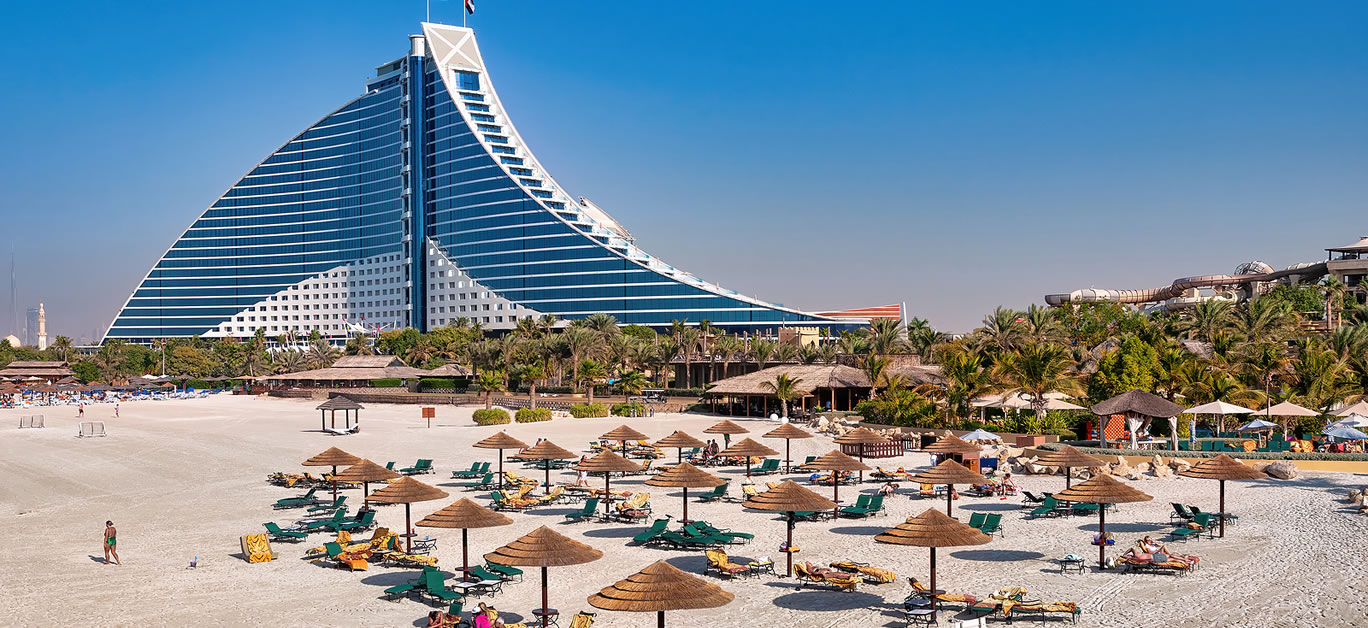
Selecting secure accommodation significantly influences Dubai safety experiences. Tourist-focused areas like Downtown Dubai (near Burj Khalifa), Dubai Marina, and Palm Jumeirah offer the highest security standards with 24/7 surveillance, restricted access, and visible security patrols. Family-oriented resorts along Jumeirah Beach provide gated environments with lifeguards and minimal crime risk. For solo female travelers, business hotels in Trade Centre or City Walk areas offer convenient locations with Western safety standards. Avoid budget accommodations in Deira or Al Barsha near nightlife zones where occasional harassment incidents occur. Regardless of location, prioritize hotels with in-room safes, 24-hour reception, and clearly marked emergency exits. Check room locks upon arrival and utilize hotel concierges for transportation bookings to avoid scams. American chains like Marriott, Hilton, and Hyatt implement consistent security protocols familiar to U.S. travelers. Vacation rentals should only be booked through reputable platforms like Airbnb with verified hosts and robust reviews.
-
Secure zones: Downtown, Marina, Palm Jumeirah
-
Hotel features: In-room safes and 24/7 security
-
Female-friendly: Business districts ideal for solo travelers
-
Rental precautions: Use verified platforms only
7. Food and Water Safety: Eating Without Worry
American visitors experience minimal food safety risks in Dubai’s diverse dining scene. Municipal regulations enforce rigorous hygiene standards, with regular restaurant inspections resulting in letter-grade cleanliness certificates visibly displayed. Tap water undergoes advanced desalination treatment making it technically potable, though most tourists prefer bottled water due to mineral taste differences. Street food at licensed markets like Global Village or Dubai Frame Park is generally safe, but avoid unrefrigerated items during peak heat. High-end hotel restaurants maintain impeccable standards, while smaller eateries in older districts may have variable practices—look for busy spots popular with locals. All meat adheres to halal preparation standards, and pork sections in supermarkets are clearly segregated. Food allergies are taken seriously; communicate dietary needs clearly to servers. Gastrointestinal issues typically stem from climate adjustment rather than contamination, though carry anti-diarrheal medication as a precaution. Alcohol consumption is permitted only in licensed venues, with public intoxication carrying severe penalties.
-
Hygiene standards: Strict municipal regulations enforced
-
Water quality: Bottled preferred despite treatment
-
Halal compliance: All meat religiously prepared
-
Alcohol restrictions: Licensed venues only
8. Emergency Services: What to Expect
Dubai provides efficient, English-friendly emergency services comparable to U.S. standards. Dial 999 for police, fire, or medical emergencies, with operators typically responding fluently in English 711. The tourist police unit (call 901) specifically assists visitors with multilingual officers stationed at major attractions and malls. Response times average under five minutes in central areas, significantly faster than most American cities. Public hospitals like Rashid Hospital offer advanced trauma care, while private facilities (American Hospital, Emirates Hospital) provide U.S.-standard services. Carry travel insurance details and passport copies for admission. For non-emergency U.S. consular assistance, contact the U.S. Consulate General Dubai (+971-4-309-4000) during business hours or the after-hours line for emergencies. Consular staff can provide attorney referrals, communicate with local authorities, and facilitate family contacts but cannot interfere in legal proceedings. Register with the Smart Traveler Enrollment Program (STEP) before departure for real-time emergency updates 111.
-
Emergency number: 999 for police/medical 711
-
Tourist police: Dedicated multilingual unit (901)
-
U.S. consulate: Dubai +971-4-309-4000
-
STEP enrollment: Recommended pre-travel
9. Women’s Safety: Special Considerations
Dubai ranks among the world’s safest major cities for women, though cultural awareness prevents issues. Solo female travelers consistently report feeling secure, with 89% rating Dubai “very safe” in post-trip surveys. Utilize women-only transportation options including Metro carriages (pink signage), pink-roof taxis with female drivers, and ladies’ nights at attractions. While modest dress isn’t legally mandated for tourists, covering shoulders and knees minimizes unwanted attention in public spaces. Avoid isolated areas after dark, though well-lit attractions like Dubai Mall remain secure. Nightlife safety requires vigilance—never leave drinks unattended and use hotel transportation instead of walking. If harassed, immediately contact tourist police (901) who take such reports seriously. Note that UAE laws place high evidentiary burdens on sexual assault victims, with some cases leading to prosecution for extramarital relations instead of perpetrator accountability . While rare for tourists, this legal context underscores prevention importance.
-
Female transport: Women-only Metro/taxis available
-
Dress code: Modesty minimizes attention
-
Safety ratings: 89% women rate Dubai “very safe”
-
Legal awareness: Understand assault reporting complexities
10. Traveling with Family: Dubai for All Ages
Dubai excels as a family destination with safety features reassuring to American parents. Theme parks (IMG Worlds of Adventure, Legoland Dubai, Aquaventure Waterpark) implement rigorous international safety standards with visible staff and child wristband systems. Beaches feature professional lifeguards and flag warning systems, though rip currents occasionally occur—particularly along Jumeirah Beach. Shopping malls offer family-only areas, and many attractions have dedicated children’s sections. Public facilities maintain high cleanliness standards with widely available baby-changing stations. The heat represents the primary family health risk; schedule outdoor activities before 11;00 am, use UV-protective clothing, and hydrate constantly. For older children, establish meeting points in crowded venues like Global Village. Most restaurants offer children’s menus and high chairs. Dubai enforces strict laws against child endangerment with severe penalties. Medical facilities like Al Jalila Children’s Specialty Hospital provide Western-standard pediatric care. While culturally tolerant, families should still observe general modesty guidelines.
-
Theme park safety: International standards enforced
-
Beach hazards: Rip currents possible; heed flags
-
Heat management: Morning/evening outdoor activities
-
Medical facilities: Specialist pediatric care available
11. Scams and Tourist Traps: Staying Alert
Dubai experiences lower scam prevalence than many tourist hubs, but Americans should recognize common schemes. Taxi overcharging occasionally occurs via rigged meters or indirect routes—insist on meters and use ride-hailing apps for transparency. Counterfeit attraction tickets sold near popular sites like Burj Khalifa may appear discounted but lack validity—purchase only through authorized vendors 7. The gold souk sees occasional gem-switching or misrepresentation; shop at Dubai Multi Commodities Centre-regulated stores instead. Online romance scams targeting tourists exist, with perpetrators often posing as Western expats. Financial frauds include “bank overpayment” schemes where scammers send fake checks for goods or services then request refunds 3. Avoid street money-changers offering “better rates” than licensed exchanges. While police rapidly investigate reported frauds, prevention remains essential: book through reputable platforms, verify vendor credentials, and never share financial details with unsolicited contacts. Report incidents to tourist police (901).
-
Taxi scams: Insist on meters; use apps
-
Fake tickets: Purchase through authorized sellers
-
Gold purchases: Use regulated stores only
-
Financial fraud: Avoid unsolicited offers
12. Legal Differences: Avoiding Unintentional Offenses
American travelers often underestimate Dubai’s strict legal system, leading to severe consequences for seemingly minor actions. Drug violations carry mandatory minimum sentences—even microscopic residue or CBD products can trigger 4-year prison terms. Prescription medications require original containers with doctor’s notes, particularly for controlled substances like ADHD medications or opioids. Social media posts criticizing UAE leadership, religion, or culture can result in prosecution—avoid political commentary online 49. Swearing or rude gestures during disputes may prompt defamation charges 48. Photography restrictions prohibit pictures of government buildings, military sites, airports, or locals (especially women) without consent. Unmarried couples sharing accommodations is legal since 2020 law reforms, but public affection remains prohibited. Financial disputes, including unpaid bills or credit card disputes, can trigger travel bans preventing departure until resolved. Alcohol requires a license for purchase outside licensed venues, though hotel bars serve tourists without permits.
-
Drug laws: Zero tolerance including CBD
-
Medication rules: Prescriptions in original containers
-
Social media bans: No criticism of government/religion
-
Photography limits: Government sites and people restricted
13. Communication Tips: Staying Connected
Reliable communication enhances safety for Americans in Dubai. Purchase local SIM cards at airport arrivals from Etisalat or Du (passport required) for affordable data; 5G coverage is extensive citywide. Install the Dubai Police app for emergency services access, traffic fine checks, and security updates. While WhatsApp calling functions normally, government restrictions occasionally affect VoIP services—have backup communication plans. Hotel Wi-Fi generally provides secure connections, but avoid sensitive transactions on public networks. For translation needs, Google Translate works effectively with Arabic, though most service personnel speak English fluently. U.S. carriers offer international plans with UAE coverage, but costs often exceed local options. Social media remains accessible, but avoid posting location tags in real-time to maintain privacy. The Visit Dubai app offers offline maps and attraction information. Consular communication occurs through the Smart Traveler Enrollment Program (STEP), ensuring prompt emergency contact from the U.S. Embassy 111.
-
Local SIMs: Etisalat/Du available at airport
-
Government app: Dubai Police for services
-
VoIP reliability: WhatsApp works but alternatives advised
-
STEP enrollment: Essential for consular alerts
14. Regional Tensions: Realistic Risk Assessment
Dubai’s location within a complex geopolitical region necessitates awareness without excessive alarm. The U.S. advisory specifically notes potential threats from Houthi rebels in Yemen, who claimed drone attacks on Abu Dhabi in 2022. However, no major incidents have occurred since then, and Dubai itself has never been directly targeted. The UAE’s advanced air defense systems intercept most projectiles, with public alert systems testing regularly. Travelers should monitor U.S. Embassy alerts through the STEP program for real-time updates 111. While tensions exist between Iran and Gulf states, Dubai maintains stable diplomatic relations and avoids direct conflict. Americans should avoid public demonstrations or political discussions, though such events remain exceptionally rare in the UAE. The primary safety impact involves occasional airspace disruptions during regional escalations—contact airlines directly if conflicts arise. Overall, Dubai’s separation from conflict zones by geography and proactive security measures minimize direct risks to tourists.
-
Advisory focus: Houthi drone/missile threats
-
Defense systems: Advanced missile interception capabilities
-
Monitoring tools: U.S. Embassy alerts via STEP
-
Travel disruptions: Rare airspace closures possible
15. Money and Finance: Secure Transactions
Financial safety in Dubai combines modern infrastructure with specific precautions. Credit cards are widely accepted with contactless payment common, but notify U.S. banks of travel dates to prevent fraud holds. ATMs exist throughout tourist areas, but inspect devices for skimming attachments before use—target hotel or bank-affiliated machines when possible. Currency exchanges at airports and malls offer competitive rates without commissions; avoid street money-changers. The UAE dirham (AED) is pegged to the U.S. dollar, simplifying transactions. While tipping isn’t mandatory, 10-15% in restaurants is customary if service charges aren’t included. For significant purchases (especially gold), retain receipts for customs declarations and warranty claims. Notify credit card companies about luxury purchases to prevent blocks. Financial disputes can trigger travel bans, so resolve any billing issues before departure. Carry minimal cash for markets and taxis, though most cabs accept cards. Avoid public Wi-Fi for banking; use mobile data instead.
-
Card acceptance: Widely used but notify banks
-
ATM security: Check for skimmers; use bank ATMs
-
Exchange advice: Licensed venues only
-
Tipping customs: 10-15% without service charge
16. Seasonal Considerations: When to Visit
Dubai’s climate significantly influences safety and comfort for American visitors. November-March offers ideal conditions with daytime temperatures averaging 75°F (24°C), minimal rain, and pleasant evenings for outdoor activities. Avoid June-August when temperatures consistently exceed 104°F (40°C) with high humidity, increasing heat exhaustion risks particularly for children and seniors. Shoulder seasons (April-May, September-October) see moderate heat with occasional sandstorms requiring sunglasses and respiratory precautions. Ramadan observance varies yearly (March-April 2025)—while tourists aren’t expected to fast, public eating/drinking during daylight hours is prohibited, affecting restaurant openings and entertainment schedules. Summer travel brings significant hotel discounts, but outdoor activity limitations reduce Dubai’s appeal. Peak season (December-February) requires advance bookings for attractions and higher pricing. Regardless of timing, UV radiation remains intense year-round—high-SPF sunscreen and hydration are essential daily precautions.
-
Optimal months: November to March
-
Summer risks: Extreme heat June-August
-
Ramadan impact: Dining restrictions daytime
-
UV exposure: High year-round protection needed
17. Conclusion: Final Safety Verdict
Based on extensive visits since 2014 and analysis of current advisories, Dubai remains overwhelmingly safe for American tourists who exercise cultural awareness and standard urban precautions. The city’s low violent crime rates, advanced security infrastructure, and efficient emergency services create a notably secure environment compared to most U.S. destinations. Primary risks involve unintentional legal violations (medication rules, social media posts, public behavior) rather than random crime 34. Regional tensions reflected in the U.S. Level 2 advisory have minimal impact on daily tourism safety. Solo female travelers, families, and couples all find Dubai accommodating when respecting cultural norms. Essential preparations include: reviewing prohibited medications, enrolling in STEP, securing appropriate insurance, and studying local customs. While no destination guarantees absolute safety, Dubai’s commitment to tourism security and visitor satisfaction makes it exceptionally manageable for informed Americans. Travelers who embrace its cultural contrasts while heeding practical guidelines experience one of the world’s most fascinating—and secure—modern destinations.
-
Relative safety: Lower crime than U.S. cities
-
Primary risk: Unintentional legal violations
-
Advisory context: Regional tensions don’t impact tourism
-
Preparation essentials: STEP enrollment and legal research