India presents a complex tapestry of experiences for solo female travellers, blending incredible cultural riches with undeniable safety challenges. While you’ll discover breathtaking landscapes, ancient heritage sites, and verstile communities, it’s vital to acknowledge the realities many women face. Concerns about personal safety aren’t unfounded – incidents of harassment, staring, unwanted touching and is india safe for solo female travel remains a pressing question requiring honest assessment. High population density, varying attitudes toward women in public spaces, and reported crime statistics demand heightened vigilance while travel in India. Yet countless solo women have rewarding journeys by understanding regional differences, adopting strategic precautions, and trusting their instincts. This guide won’t sugarcoat risks but provides clear-eyed strategies for navigating them. Your awareness and preparation become the most powerful tools in transforming anxiety into empowerment as you explore this magnificent, multifaceted land.
Understanding Safety Realities: Beyond Headlines
India’s sheer scale means safety experiences vary dramatically between bustling megacities, tranquil hill stations, and remote villages. Urban centres like Delhi and Mumbai report higher incidents of street harassment and opportunistic crime, while smaller towns or regions like Kerala and Himachal Pradesh often feel markedly calmer. Crucially, safety isn’t just about violent crime; daily navigation involves managing persistent staring (“eve-teasing”), unwanted approaches, and cultural misunderstandings that can feel intensely uncomfortable.
Statistics paint a concerning picture that travellers shouldn’t ignore. Official data indicates disturbingly high rates of crimes against women, with one rape reported approximately every 15 minutes nationally, though underreporting remains significant. Crowded public spaces, such as markets or festivals, can be high-risk areas for harassment, including groping. While local women are frequently targeted, foreign women, particularly those who appear Western or white, may also face increased attention and harassment due to their visibility. In some cases, white women may even experience higher levels of harassment than local women, highlighting the need for increased awareness and measures to prevent such incidents while travel in India.
Factors like local attitudes towards Western clothing, misconceptions about foreign women’s openness, and alcohol consumption in certain areas contribute to risk. Police responsiveness varies greatly, and bureaucratic hurdles can discourage reporting minor incidents. Your safety hinges on recognising these layered realities rather than dismissing them or being paralysed by fear.
Key Considerations:
- Regional Variance: Safety differs vastly between states and city neighbourhoods.
- Crime Spectrum: Concerns range from nuisance staring to serious assault.
- Cultural Context: Deeply ingrained patriarchal norms influence public interactions.
- Reporting Challenges: Legal processes can be daunting for travellers.
Pro Tips: Research specific districts within cities before booking accommodation. Apps like “Safetipin” provide crowd-sourced safety audits of areas.
Urban Challenges: Navigating Megacities
India’s pulsating cities like Delhi, Mumbai, and Kolkata present the steepest safety learning curves. Congested public spaces amplify risks – crowded metro carriages, bustling bazaars, and packed autorickshaws create environments where groping and pickpocketing occur. Navigating these requires constant situational awareness, especially after dark. While prosperous neighbourhoods like South Delhi or South Mumbai feel relatively secure by day, walking alone at night remains inadvisable.
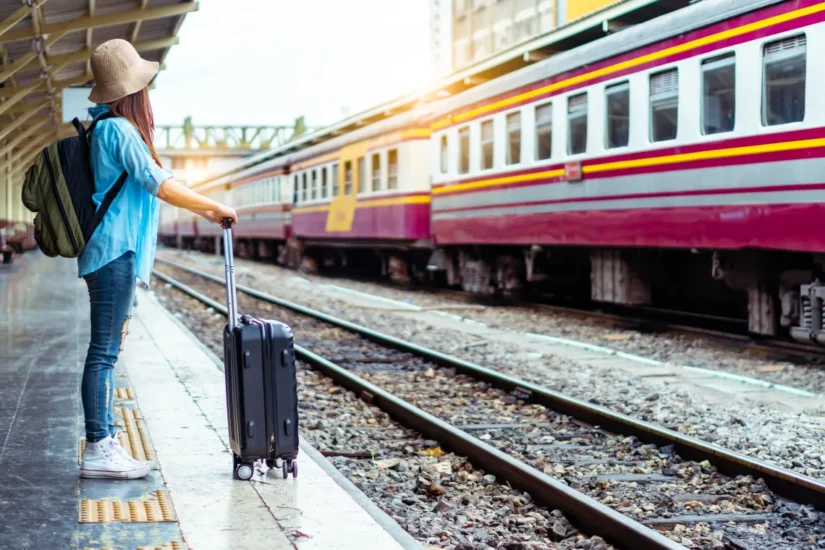
Transport poses significant challenges. Avoid empty bus carriages or train compartments. Pre-book verified cabs via Ola or Uber instead of hailing random taxis, ensuring you share your live location with a contact. Autorickshaw drivers sometimes refuse fares or demand exorbitant rates from solo foreigners – having small bills helps avoid prolonged negotiations on dark streets. Trains offer female-only compartments (look for the “Ladies” sign), a crucial sanctuary on long journeys.
Accommodation location is paramount. Opt for reputable guesthouses in well-lit, central areas with 24-hour security over cheap, isolated options. Many women prefer female-only hostels or women-run homestays which offer inherent support networks. Trust your gut; if an area feels hostile or you sense being followed, immediately enter a reputable hotel or shop.
Key Considerations:
- Peak Caution Zones: Train stations, crowded markets, poorly lit alleyways.
- Transport Rules: Use app-cabs, insist on AC/Non-AC as booked, utilise women’s compartments.
- Neighbourhood Nuance: Safety can shift dramatically block by block.
- Accommodation Security: Prioritise properties with 24/7 reception and verified reviews.
Pro Tips: Wear a simple wedding band to deter unwanted advances. Carry a loud whistle or personal alarm.
Cultural Sensitivity & Defensive Dressing
While clothing never excuses harassment, adapting your wardrobe is a practical risk-reduction strategy. India remains largely conservative, especially outside tourist hubs and major cities. Revealing attire (short skirts, low-cut tops, tight leggings worn alone) draws intense, often negative attention. Opting for loose-fitting kurta tunics over trousers, long skirts, or salwar kameez significantly reduces unwanted stares and comments.
Understanding local norms extends beyond clothing. Public displays of affection are frowned upon. Direct eye contact with men can be misinterpreted as flirtation in some contexts – wearing sunglasses helps manage this subtly. Respecting religious sites means covering shoulders and legs; carrying a large scarf (dupatta) provides versatile coverage. Modesty signals respect, easing interactions and fostering local goodwill.
Alcohol consumption requires careful contextual awareness. Drinking publicly or excessively in bars, especially without a group, can attract predatory attention. Many local women avoid pubs or nightclubs frequented by male-dominated crowds. Learning basic Hindi phrases like “Chhedo mat!” (Don’t touch me!) or “Hat jao!” (Go away!) empowers you to respond assertively.
Key Considerations:
- Coverage Counts: Shoulders, cleavage, and knees covered reduces attention.
- Local Norms: Observe how Indian women dress in each region.
- Behavioural Cues: Avoid overly friendly gestures that might be misconstrued.
- Substance Caution: Limit public alcohol consumption.
Pro Tips: Buy local clothing upon arrival – it’s affordable, culturally respectful, and helps blend in.
Trusted Networks & Safe Havens
Building connections significantly enhances safety. Leverage women-only travel networks like the “Solo Female Travelers in India” Facebook group for real-time advice and meetups. Opt for organised day tours from reputable companies like Women on Wanderlust (WOW) for exploring beyond cities. Yoga retreats in Rishikesh or ashrams often provide structured, supportive environments favoured by solo women.
Certain destinations consistently rank higher for female safety. Kerala’s matrilineal communities, Pondicherry’s French Quarter, mountainous Dharamshala (home to Tibetan exiles), and Udaipur’s well-policed tourist centre offer relatively relaxed environments. Consider joining small group tours for initial orientation before venturing completely solo. Homestays in rural Sikkim or coastal Goa villages run by families often provide protective, immersive experiences.
Technology is your ally. Share your live location permanently with a trusted contact back home via WhatsApp or Google Maps. Use apps like “Smart Traveller” for emergency contacts and location sharing. Register with your embassy upon arrival. Indian women often prove invaluable allies – don’t hesitate to discreetly seek help from a motherly figure or group of women if feeling harassed.
Key Considerations:
- Community Support: Women-focused travel groups offer advice and companionship.
- Safer Zones: Kerala, Himachal Pradesh, and Tamil Nadu often feel more comfortable.
- Tech Tools: Location sharing and emergency apps are essential.
- Local Allies: Seek help from families or groups of Indian women if needed.
Pro Tips: Stay near landmarks or known hotels when exploring. Avoid disclosing solo status to strangers.
Essential Mindset & Emergency Protocols
Your psychological preparedness is as vital as physical precautions. Cultivate assertive body language – walk purposefully, avoid looking lost (check maps discreetly), and project confidence. Develop a “resting stern face” to deter casual approaches. Trust your intuition absolutely; if a situation feels “off,” remove yourself immediately without worrying about politeness. Carry a decoy wallet with minimal cash and expired cards.
Know critical emergency contacts: Dial 112 (pan-India emergency number) or 100 (police). Save local police station numbers for your area. Keep photocopies of your passport and visa separately from originals. Program contacts like your embassy, accommodation, and trusted local friends into your phone under easily identifiable names (“ICE Hotel Lotus”).
Understand basic legal rights. File a First Information Report (FIR) at any police station for serious incidents – insist on a copy. Tourist police exist in major centres and often handle cases involving foreigners more efficiently. While justice can be slow, reporting creates a crucial record. Consider travel insurance covering emergency evacuation and legal support. Ultimately, balancing realism with resilience allows you to experience India’s magic while prioritising wellbeing.
Key Considerations:
- Assertive Demeanour: Confidence deters many opportunists.
- Emergency Numbers: 112 (All Emergency), 100 (Police), 1091 (Women’s Helpline).
- Document Safety: Keep copies separate from originals.
- Legal Basics: Know how to file an FIR if absolutely necessary.
Pro Tips: Practice saying “No” firmly. Carry a local SIM card for reliable connectivity.
Transportation Deep Dive: Navigating Networks
India’s transport ecosystem presents unique challenges where vigilance becomes your constant travel companion. Trains offer female-only compartments (marked ‘Ladies’) – your safest bet for longer journeys. Book AC Tier 2/3 classes where attendants monitor carriages, avoiding general sleeper classes at night. For buses, always choose front seats near the driver where possible; state-run Volvos often feel more secure than local buses. Autorickshaws require firm negotiation – insist on meters or agree fares upfront before entering, and avoid empty ones at night.
Ride-hailing apps like Uber/Ola provide crucial safety features: share live trip details with trusted contacts, verify driver photos/plates before entering, and use women-centric options like Ola Pink available in major cities. Never accept rides from unmarked vehicles or drivers who claim your booked cab “isn’t working.” Night travel significantly increases risks – overnight buses or trains should only use premium services with CCTV and confirmed female companions nearby.
Domestic flights between regions minimize ground transport risks but add expense. When using metro systems, target women-only carriages during rush hours (usually first/last coaches). Keep bags zipped and in front in crowds, and maintain an “I know where I’m going” demeanor even when lost – find a shop or station official for discreet directions rather than asking strangers.
Note: A spainsh couple on a bike tour in India was brutally gangraped in 2024 by 7 men. The incident occurred in Jharkhand’s Dumka district, where a 30-year-old Spanish woman was gang-raped by seven men, and her 64-year-old Brazilian husband was severely beaten . The couple had been traveling through Asia, visiting Pakistan and Bangladesh BEFORE entering INDIA, with plans to continue on to Nepal . This horrific incident forced them to end their trip without going to nepal.
Key Considerations:
- Train Priority: Female-only compartments, AC classes for overnight journeys.
- App Advantages: GPS tracking and driver verification via Uber/Ola.
- Night Restrictions: Avoid road travel after 10pm where possible.
- Positioning Matters: Front bus seats, visible metro carriage spots.
Pro Tips: Save local taxi company numbers from your hotel for reliable pickups. Carry doorstop alarms for overnight train journeys.
Accommodation Selection: Safe Havens
Your choice of lodging significantly impacts daily safety calculus. Prioritize female-only hostels (like Zostel Women or Hosteller) or women-run homestays which offer built-in support networks. Mid-range hotels (₹2500-5000/night) typically provide better security than budget guesthouses – look for 24-hour reception, electronic keycards, and CCTV in hallways. Avoid ground-floor rooms accessible from streets, especially in congested areas.
Location trumps price savings. Stay in well-established tourist zones like Jaipur’s Bani Park or Goa’s Palolem Beach where police presence is stronger. Verify neighborhood safety scores on Safetipin before booking. Properties with multiple positive reviews from solo women on TripAdvisor or Booking.com provide reliable indicators – scrutinize comments about staff behavior and neighborhood walkability.
Upon check-in, note emergency exits and test door locks. Use door jambers/alarms for added night security. Politely decline room inspections by male staff alone – request female attendants where available. Keep valuables in room safes but carry passport copies. Trust your instincts; if staff make inappropriate comments or rooms feel isolated, relocate immediately. The question is india safe for solo female travellers often hinges on these critical accommodation choices.
Note: Be careful while choosing the hotel as not long ago a western YouTuber were Nearly Raped in India at a five star hotel by the hotel staff itslef.
Key Considerations:
- Specialized Stays: Women-only hostels or family-run guesthouses.
- Security Essentials: 24/7 reception, electronic locks, and in-room safes.
- Location Audits: Cross-reference areas via Safetipin and recent reviews.
- Staff Interactions: Set boundaries politely but firmly from check-in.
Pro Tips: Book first nights through established chains like Ginger or Treebo for reliable standards before exploring local options.
Handling Harassment & Common Scams
Street harassment (“eve-teasing”) remains depressingly common, manifesting as lewd comments, groping in crowds, or persistent following. Your strongest weapons are audible public confrontation and swift removal. Shout “Chhedo mat!” (Don’t touch!) or “Police bulayegi?” (Shall I call police?) drawing immediate public attention. Target shops, families, or police booths for sanctuary – harassers usually retreat when spotlighted.
Scams specifically target solo women’s perceived vulnerability. Beware of “tourist information” touts directing you to fake travel agencies, “friendly” strangers inviting you to private events, or fake police demanding passport checks (real officers never take documents off-site). Commission-driven rickshaw drivers may strand you at remote shops – insist on direct routes. Emotional manipulation through elaborate “sick relative” stories seeks cash sympathy.
Photography becomes weaponized – men may sneak photos or demand selfies then harass digitally. Refuse all non-official photography requests. If groped in transit, immediately pull emergency chains on trains or shout in buses. Record incident details (time/location/appearance) for potential reporting. While confronting feels terrifying initially, most aggressors fold under public scrutiny. Remember: your safety outweighs politeness every time.
Key Considerations:
- Public Shaming: Loud responses deter many harassers.
- Scam Patterns: Fake guides, emotional stories, diversionary tactics.
- Photo Boundaries: Refuse all personal photography requests firmly.
- Evidence Gathering: Note details immediately after incidents.
Pro Tips: Install Indian helpline apps like Himmat for one-touch emergency alerts. Carry a spare “decoy” phone.
Health & Hygiene: Body Boundaries
Healthcare access varies wildly, making prevention critical. Only drink sealed/bottled water (check caps) and avoid salads washed in tap water. Carry antibiotics for traveler’s diarrhea (Ciprofloxacin) and rehydration salts. Sanitary products are available in cities but pack menstrual cups or preferred brands for rural areas. Pharmacies sell most medicines without prescriptions but verify expiration dates.
Women-specific health issues require planning. Public toilets often lack seats/tissue – carry she-pee devices and antibacterial wipes. Sexual health supplies are taboo; bring adequate contraception. Mammogram-equivalent breast checks don’t exist in rural clinics. For chronic conditions, carry doctor’s notes explaining medication needs. Mental health maintenance is equally vital – schedule decompression days in quieter destinations after intense cities.
Physical boundaries extend to wellness services. Ayurvedic centers should use female therapists – verify before disrobing. Yoga retreats vary in professionalism; research teacher credentials thoroughly. Avoid isolated massage parlors. Report inappropriate touch immediately to management. Trusting your comfort levels with practitioners is non-negotiable, regardless of cultural expectations around holistic therapies.
Key Considerations:
- Water Discipline: Zero tap water consumption including ice/brushing.
- Medical Kit: Diarrhea antibiotics, sanitizers, menstrual supplies.
- Clinic Limitations: Rural facilities lack women’s health specialists.
- Treatment Boundaries: Demand female practitioners for body therapies.
Pro Tips: Use period-tracking apps religiously to anticipate cycles during transit-heavy days.
Regional Breakdown: North vs South vs Himalayas
Safety dynamics shift dramatically across regions. North India (Delhi, Rajasthan, UP) presents the highest challenges – conservative attitudes, intense staring, and frequent harassment require maximum vigilance. Southern states (Kerala, Tamil Nadu) generally feel more relaxed with stronger female workforce participation and less aggressive touts. Himalayan areas (Himachal, Sikkim) offer relative calm though remote trails warrant companions.
Urban/rural divides matter. Cosmetic Mumbai feels safer than Delhi but still requires precautions. Avoid isolated areas in Rajasthan’s countryside. Kerala’s backwaters and Goa’s beach belts see higher solo female traffic with established safety networks. Northeastern states (Meghalaya, Nagaland) have matrilineal societies but require permits and guided travel due to insurgency risks.
Seasonal factors impact safety too. Festivals like Holi see increased harassment during crowds. Summer heat pushes activities to cooler evenings requiring extra transport caution. Monsoon flooding isolates areas – check weather alerts daily. Ultimately, evaluating is india safe for solo female exploration demands hyper-local understanding rather than nationwide generalizations.
Key Considerations:
- Risk Gradient: Highest in north, moderate in south, lower in Himalayas.
- Cultural Nuances: Matrilineal societies in northeast, conservative rural north.
- Seasonal Hazards: Crowded festivals, monsoon isolation, summer evening risks.
- Permission Zones: Restricted areas requiring special permits.
Pro Tips: Start your journey in southern India (Kerala/Goa) to acclimatize before tackling northern circuits.
Digital Safety & Financial Security
Cyber precautions prevent real-world targeting. Avoid public WiFi for banking – use SIM data instead. Purchase local Airtel/Jio SIMs with passport documentation at airports for reliable 4G. Disable geotagging on social media posts showing real-time locations. Set unique passwords for all accounts and enable two-factor authentication. Beware “free charging stations” which can install malware.
Financial safety requires layered protection. Carry multiple cards stored separately – one daily use card hidden under clothing in RFID-blocking sleeves. Notify banks of travel dates to avoid frozen cards. Use UPI apps like PhonePe for contactless payments but maintain cash reserves for remote areas. ATMs inside banks or malls are safer than street units – withdraw during daylight hours.
Communication plans are vital. Share daily itineraries with trusted contacts via encrypted apps (Signal/Telegram). Backup phones or old smartphones provide emergency redundancy. Save digital copies of documents in password-protected cloud storage. Remember that digital footprints can attract unwanted attention – maintain discreet online profiles throughout your travels.
Key Considerations:
- Connection Security: Local SIMs over public WiFi for sensitive tasks.
- Financial Redundancy: Multiple cards/cash stored separately.
- Digital Footprint: Delayed social media posting, disabled location tags.
- Communication Protocols: Daily check-ins, encrypted messaging apps.
Pro Tips: Set up UPI payments upon arrival for seamless transactions without exposing cards.
Packing the Safety-Conscious Way
Strategic packing creates invisible security layers. Conservative clothing remains essential: pack lightweight maxi dresses, loose trousers, and elbow-length tops. A versatile pashmina serves as scarf, head cover, or blanket. Choose theft-resistant bags with slash-proof straps and RFID-blocking compartments. Waterproof document holders keep essentials safe during monsoons.
Safety gear should include: doorstop alarms, personal safety whistles, rechargeable torches, and basic first-aid kits. Period supplies (cups/reusables) prevent rural access issues. Portable water filters add hydration security. Bring medications in original packaging with prescriptions. A simple fake wedding band often deters unwanted advances.
Tech essentials include: universal adapters with surge protection, power banks for dead-phone emergencies, and encrypted flash drives for document backups. Physical maps provide navigation backup when networks fail. Photocopy critical documents in triplicate – store separately from originals. Your packing choices directly answer is india safe for solo female travel through proactive preparedness.
Key Considerations:
- Clothing Strategy: Modest layers, versatile cover-ups, quick-dry fabrics.
- Security Gear: Door alarms, personal alarms, theft-proof bags.
- Document Management: Multiple copies stored separately.
- Tech Toolkit: Power banks, local adapters, offline maps.
Pro Tips: Sew hidden pockets into clothing for emergency cash/contact details.
Post-Trip Reflection & Community Sharing
Processing complex experiences after returning home is crucial. Journaling helps contextualize both positive encounters and safety challenges. Connect with other returnees through platforms like Solo Female Travel Network to debrief. If incidents occurred, consider professional counseling – trauma can surface months later. Objectively analyze what precautions worked and where vulnerabilities emerged.
Sharing experiences protects future travellers. Post detailed safety reviews on accommodation booking platforms. Contribute to crowd-sourced safety apps like Safetipin. Write blogs highlighting both rewards and risks – your insights help others calibrate expectations. Report serious incidents to your embassy even after returning; data shapes travel advisories.
Celebrate your resilience while acknowledging difficulties. Solo travel in India demands extraordinary vigilance that can overshadow joys. Permit yourself to process frustration alongside wonder. Your journey contributes to changing narratives – each woman who travels mindfully expands possibilities while validating concerns. The core question is india safe for solo female adventurers evolves through collective wisdom sharing.
Key Considerations:
- Emotional Processing: Journaling, peer discussions, professional support.
- Knowledge Sharing: Detailed reviews, app contributions, blog posts.
- Official Reporting: Post-trip incident documentation for advisories.
- Balanced Narrative: Honoring both challenges and transformative moments.
Pro Tips: Save local contacts who provided support – they become invaluable resources for future travellers.