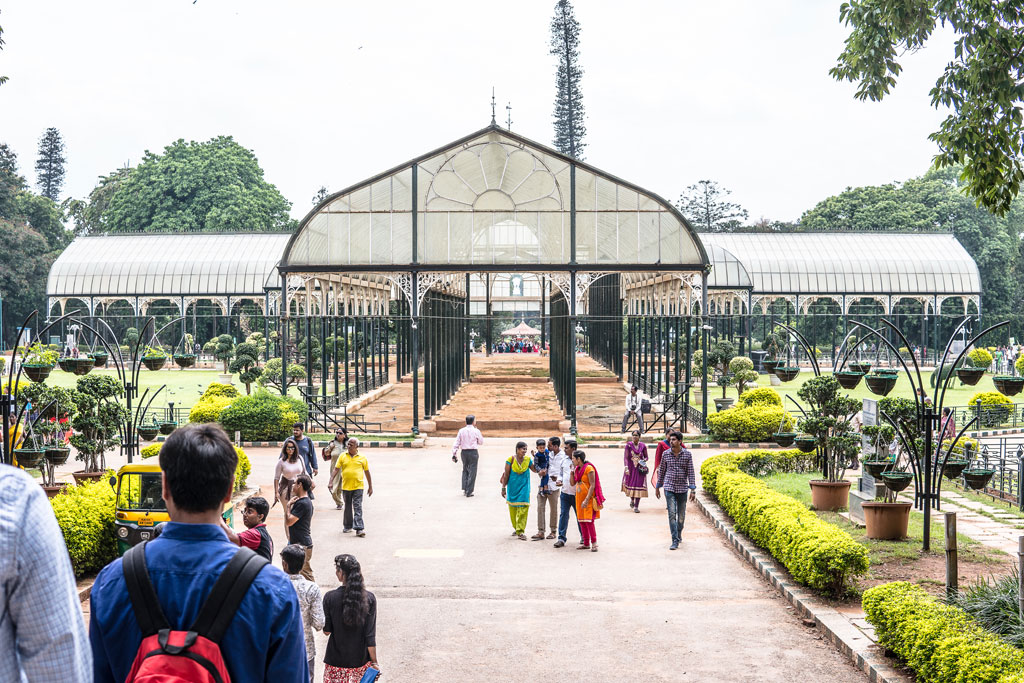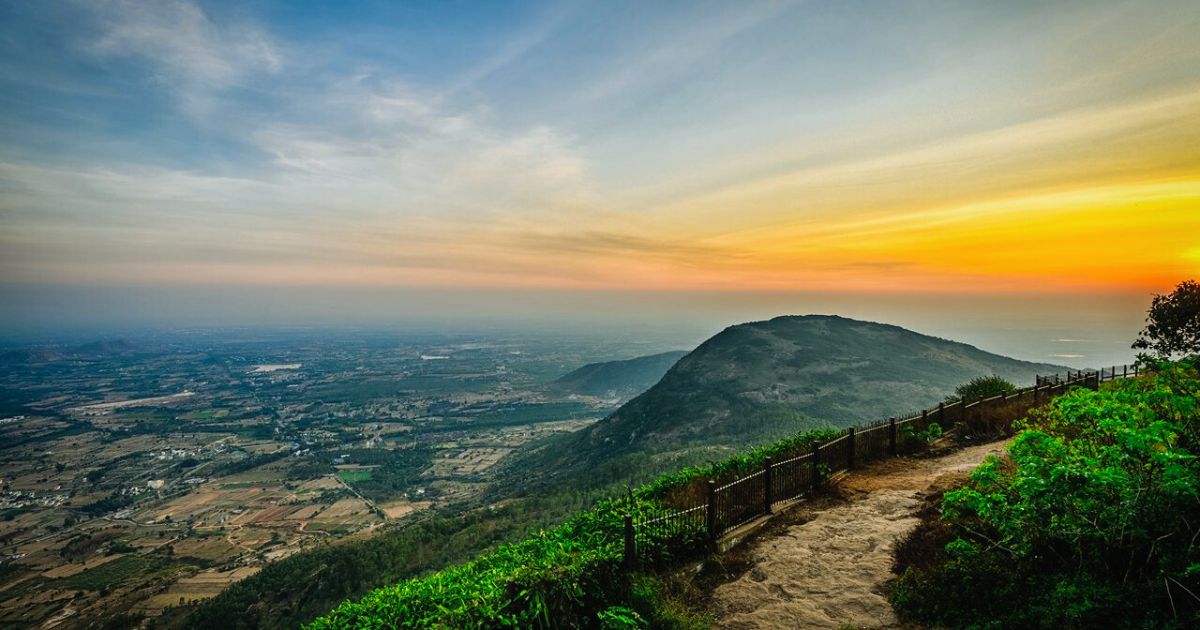
Embarking on a journey from Bangalore to Nandi Hills offers more than just a destination—it presents a scenic adventure through Karnataka’s cultural and natural treasures. While Nandi Hills itself is renowned for sunrise views and misty landscapes, the approximately 60-kilometer route (taking 1.5-2.5 hours via NH44) unfolds numerous hidden gems. These strategically located stops transform your commute into a memorable day trip or weekend exploration. From ancient forts whispering tales of Tipu Sultan to tranquil lakes reflecting Karnataka’s rural beauty, each stop adds unique dimensions to your travel experience. For travelers seeking more than just the hilltop sunrise, these curated stops offer historical immersion, nature encounters, and cultural insights—perfect for families, photographers, history buffs, and nature lovers alike.
Hesaraghatta Lake
Begin your journey with this serene reservoir just 28km from Bangalore, created in 1894 to address the city’s water crisis. Spanning 1,000 acres, Hesaraghatta Lake transforms into a birdwatcher’s paradise during winter months (November-February) when migratory birds like bar-headed geese and northern shovelers descend upon its waters. The adjacent grassland ecosystem supports rare species such as the critically endangered great Indian bustard. Morning visitors often witness local fishermen casting traditional nets against golden sunrises.
While water levels fluctuate seasonally, the lake remains a peaceful escape with walking trails along its periphery. The nearby Government Aquarium offers educational insights into regional aquatic life. Conservation initiatives by local NGOs ensure the protection of this vital ecosystem while welcoming responsible tourism.
- Best time to visit: October to February for bird migration
- Activity highlights: Birdwatching, nature photography, lakeside walks
- Facilities: Limited parking, no entry fee, carry water/snacks
- Distance from Bangalore: 28km (45 minutes)
Tip: Bring binoculars for optimal bird sightings and arrive before 8AM to avoid crowds.
Devanahalli Fort
Steeped in historical significance, this 15th-century fortress marks the birthplace of Tipu Sultan. Built in 1501 by Mallabairegowda, the fort showcases a blend of Vijayanagara and Indo-Islamic architecture with its distinctive oval layout, 12 bastions, and intricate carvings. Within its walls, visitors discover the Venugopalaswamy Temple featuring Dravidian-style gopurams and the well-preserved Tipu Sultan Birthplace Memorial. The fort’s strategic location made it a key military asset during Mysore’s resistance against British forces.
Archaeological Survey of India maintains the complex, with recent restoration efforts focusing on structural stabilization. Informative plaques detail each section’s historical context, transforming your visit into an immersive history lesson. Early mornings offer cooler temperatures and softer light for photography enthusiasts.
- Historical significance: Birthplace of Tipu Sultan
- Architectural highlights: 12 bastions, stone ramparts, secret passages
- Entry details: Free entry, open 8AM-6PM daily
- Distance from previous stop: 12km (20 minutes from Hesaraghatta)
Note: Hire a local guide (₹200-300) near the entrance for in-depth historical narratives.
Tipu Sultan’s Summer Palace
Located just outside Devanahalli Fort, this relatively unknown summer retreat contrasts with Tipu’s more famous Daria Daulat Bagh in Srirangapatna. Built in 1791 during the final years of his reign, the two-story structure features teakwood pillars, floral motifs, and distinctive Indo-Islamic arches. The palace served as both a strategic military command center and a cool retreat during summer months. Though smaller than other Tipu-era monuments, its authenticity offers an uncrowded historical experience.
Recent preservation efforts have restored original frescoes depicting battle scenes and court life. The surrounding gardens, though modest, provide shaded seating areas. This site receives significantly fewer visitors than Bangalore’s main Tipu attractions, allowing for contemplative exploration.
- Unique features: Original 18th-century frescoes, underground chambers
- Visiting hours: 9:00 AM to 5:00 PM (Closed Fridays)
- Photography: Permitted (no flash indoors)
- Facilities: Basic signage, limited parking
Historical context: This was among Tipu’s last architectural commissions before his death in 1799.
Nrityagram Dance Village
Founded in 1990 by renowned Odissi dancer Protima Bedi, this unique experimental community represents India’s first modern gurukul dedicated exclusively to classical dance. Spread across 10 acres of lush landscape, Nrityagram hosts resident dancers specializing in seven classical forms: Bharatanatyam, Kathak, Odissi, Kuchipudi, Manipuri, Mohiniyattam, and Kathakali. Visitors can observe morning practice sessions through designated viewing areas or attend weekend performances.
The architectural design by Gerard da Cunha incorporates traditional elements with eco-friendly features, including rainwater harvesting and solar power. The on-site museum displays exquisite dance costumes and historical instruments. Advance bookings are required for guided tours, which include interactions with resident artists and glimpses into the rigorous daily training schedule.
- Cultural experience: Dance demonstrations, architecture tours, workshops
- Tour availability: Tuesday-Sunday (10AM-1PM), ₹200 per person
- Performance schedule: Monthly weekend shows (check website)
- Nearby dining: Organic café serving local cuisine
Insider tip: Book the “Behind the Curtain” tour for backstage access.
Dodda Alada Mara (Big Banyan Tree)
Approximately 400 years old, this natural wonder spans nearly 3 acres with over 1,000 aerial roots—creating the illusion of a miniature forest. Located near Ramohalli village, Dodda Alada Mara ranks among Asia’s largest banyan trees. The Karnataka Forest Department maintains walkways for visitors to explore the tree’s cathedral-like interior while protecting its root system. Informative boards detail its botanical significance and ecological role.
Early mornings bring local yoga practitioners and bird activity, while evenings attract families enjoying street food from nearby vendors. Annual conservation efforts involve removing parasitic plants and reinforcing aging branches. The tree’s sprawling canopy provides consistent shade, making it accessible year-round.
- Botanical significance: 400-year-old specimen covering 3 acres
- Visitor amenities: Paved pathways, seating areas, street food stalls
- Photography tips: Wide-angle lenses recommended for full scale
- Distance from route: 8km detour (worthwhile for nature lovers)
Conservation note: Avoid touching aerial roots to support preservation efforts.
Chikka Ballapura Lake
Often overshadowed by Nandi Hills, this serene reservoir near Chikkaballapur town offers mirror-like reflections of the surrounding hills. Unlike crowded tourist spots, it maintains an authentic local atmosphere with fishermen casting nets at dawn and farmers grazing livestock along its shores. The lake’s biodiversity includes resident and migratory waterfowl, with over 70 species documented by local birding groups.
Newly developed walking paths along the eastern perimeter provide accessible viewpoints. The adjacent Siddaganga Mutt manages a small Hanuman temple where evening aarti ceremonies create photogenic scenes. With no commercial facilities, visitors experience Karnataka’s rural tranquility undisturbed.
- Birdwatching highlights: Spot kingfishers, egrets, and seasonal migrants
- Best viewing times: Sunrise/sunset for reflections and bird activity
- Accessibility: Flat terrain suitable for all ages
- Facilities: Basic parking, carry water and snacks
Traveler insight: Combine with Skandagiri visit for a full day of nature experiences.
Bhoga Nandeeshwara Temple
Located at the foothills of Nandi Hills, this 9th-century Chola dynasty temple complex exemplifies Dravidian architecture through three interconnected shrines dedicated to Shiva (as Arunachaleswara, Bhoga Nandeeshwara, and Yoga Nandeeshwara). The site represents Shiva’s life stages—childhood, youth, and enlightenment. Intricate carvings depict scenes from Hindu epics, while the temple’s four magnificent courtyards feature ornate pillars and sculpted ceilings.
Ongoing preservation by the Archaeological Survey of India maintains original Vijayanagara-era frescoes. The temple tank, adorned with carved steps and shrines, provides a serene meditation space. Annual festivals like Maha Shivaratri transform the complex with floral decorations and cultural performances.
- Architectural periods: Chola foundation with Hoysala/Vijayanagara additions
- Must-see features: 1,000-pillar hall, Nandi statues, temple tank
- Dress code: Modest clothing required (shawls available)
- Visiting hours: 6:30 AM – 1:00 PM, 4:00 – 8:00 PM daily
Cultural context: The temple’s name honors Nandi (Shiva’s bull vehicle), linking to Nandi Hills’ identity.
Muddenahalli Heritage Town
Birthplace of Sir M. Visvesvaraya (India’s pioneering engineer and Bharat Ratna recipient), this village preserves his legacy through meticulously curated museums. The Sir M.V. Memorial Museum displays personal artifacts, engineering blueprints, and educational exhibits about his contributions to dam construction and urban planning. Nearby, the Sri Sathya Sai Loka Seva educational complex promotes his vision of technology-integrated learning.
The adjacent Visvesvaraya National Memorial Trust Museum showcases rotating exhibitions on Indian industrial history. Walking trails connect heritage buildings including Visvesvaraya’s ancestral home, restored to its early 20th-century condition. Knowledgeable guides (available in multiple languages) provide context about his role in shaping modern India.
- Key attractions: Memorial Museum, ancestral house, educational campus
- Entry fee: ₹20 adults, ₹10 children (cameras extra)
- Operating hours: 9:30 AM – 5:30 PM (Closed Mondays)
- Guided tours: Available in English/Kannada/Hindi (₹100)
Engineering legacy: See models of Krishna Raja Sagara Dam and early irrigation systems.
Skandagiri Hills
Known locally as Kalavara Durga, these hills offer challenging night treks culminating in panoramic sunrise views. At 1,350 meters elevation, Skandagiri’s trails pass through historical ruins including Tipu Sultan’s fort and an 18th-century Papagni Matt. The 8km round-trip trek requires 3-4 hours, with steep sections requiring moderate fitness. Organized groups depart around 2AM to reach the summit before dawn.
Post-monsoon months (September-February) provide clear skies and comfortable temperatures. Strict regulations limit daily trekkers to 500, requiring advance permits through Karnataka Forest Department’s online portal. Local guides enhance safety while sharing legends about the hill’s spiritual significance.
- Trek difficulty: Moderate to challenging (rocky terrain)
- Permit requirements: Online booking mandatory (₹250 per person)
- Essential gear: Headlamps, trekking shoes, water (2L minimum)
- Safety protocols: Group trekking mandatory after sunset
Conservation alert: Carry all trash back down—plastic-free trekking enforced.
Channarayana Durga Fort Trek
For seasoned adventurers, this 17th-century hill fortress presents Karnataka’s most rewarding trekking challenge. Built by Chikkappa Gauda, the fort features seven defensive gates, granaries, and temples spread across twin peaks. The 10km trail (5-6 hours round trip) traverses dense forests and granite boulders, requiring navigational skills. From the summit (1,124 meters), panoramic views extend to Nandi Hills and Savandurga.
Winter months (November-February) offer optimal conditions with temperatures around 20°C. Karnataka Adventure Authority requires certified guides for all groups, available through registered trekking companies. Overnight camping permits allow for stargazing from historic ramparts.
- Trek specifications: 10km, difficult grade, elevation gain 650m
- Guiding requirements: Certified guides mandatory (₹800-1,200/group)
- Permits: Forest department permit + trekking registration
- Nearby base: Hiremath homestays in Channarayanapura village
Historical note: The fort’s water harvesting system still functions during monsoons.
Vijayapura Farms
Experience Karnataka’s agricultural heritage at this 50-acre organic farm offering agritourism activities. Visitors participate in seasonal activities: coffee cherry picking (November-January), spice plantation tours (year-round), or milking demonstrations at the dairy. The farm’s “Seed to Table” program includes cooking classes using harvest-fresh ingredients in traditional rural kitchens.
Accommodations include eco-cottages constructed with sustainable materials. Proceeds support local farmer education programs. Advance bookings are essential for farm tours and meals, with half-day and full-day packages available.
- Agricultural experiences: Organic farming, dairy operations, beekeeping
- Booking options: Half-day (₹750) or full-day (₹1,500) with meals
- Accommodation: Eco-cottages (₹3,500/night including activities)
- Souvenirs: Farm-produced coffee, honey, spices
Sustainable tourism: Solar-powered operations and zero-waste initiatives.
Thattekere Bird Sanctuary
This lesser-known wetland ecosystem supports over 120 resident and migratory bird species across its interconnected lakes and marshes. Managed by local conservation groups, the sanctuary features observation hides strategically positioned for spotting rare species like the painted stork, grey-headed fish eagle, and migratory osprey. Interpretive trails with informational signage explain wetland ecology and conservation challenges.
Early morning (6-9AM) delivers peak bird activity, with guided walks available through the Forest Department office. The sanctuary maintains a strict no-plastic policy and limits daily visitors to protect nesting sites. Photography permits are required for professional equipment.
- Key species: Spot-billed pelicans, purple herons, pheasant-tailed jacanas
- Entry regulations: ₹100 entry, ₹300 camera fee (no drones)
- Guided walks: 6-8AM daily (₹200 per person)
- Facilities: Observation decks, basic restrooms
Conservation success: Breeding programs have increased spot-billed pelican populations by 40%.
Nandi Grama Craft Village
This community initiative preserves Karnataka’s vanishing crafts through live workshops and demonstrations. Master artisans teach traditional techniques: Mysore painting (using natural pigments), rosewood inlay, Kinnala clay art, and Ilkal weaving. Visitors can participate in 90-minute workshops (advance booking required) or purchase directly from creator-owned studios at fixed prices.
The village layout represents different Karnataka regions, with architecture reflecting local styles. Cultural performances occur weekends at the open-air amphitheater. Proceeds directly support artisan families and craft documentation projects.
- Workshop options: Pottery, weaving, painting (₹500-800/session)
- Shopping ethics: Fixed pricing ensures fair artisan compensation
- Operating days: Wednesday-Monday (10AM-6PM)
- Special events: Monthly craft fairs featuring 50+ artisans
Cultural preservation: Workshops document endangered crafts for UNESCO safeguarding.
Brahmashram Caves
Carved into Nandi Hills’ lower slopes, these natural caves hold spiritual significance as meditation sites for ancient sages. Accessible via a 1km forest trail from the base parking area, the caves feature rock-cut platforms where ascetics practiced meditation. Inscriptions suggest usage since the 7th century, with later additions by Hoysala devotees.
Visitors today find a serene atmosphere ideal for quiet contemplation. The surrounding forest hosts medicinal plants identified by informational markers. Early mornings offer cool temperatures and possible wildlife sightings, including langurs and endemic bird species.
- Spiritual significance: Ancient meditation site with rock inscriptions
- Trek difficulty: Easy 20-minute walk from parking
- Best visiting hours: 7-10AM (avoid rainy season)
- Facilities: Base parking, no restrooms
Sacred etiquette: Maintain silence near meditation areas.
Nandi Hills Sunrise Viewpoint
While technically your final destination, the journey culminates with Nandi Hills’ legendary sunrise experience. Arrive by 5:30AM to secure vantage points at Tipu’s Drop or Yoga Nandeeshwara Temple. As dawn breaks, the mist-covered hills transform with golden light illuminating the plains below. Post-sunrise, explore historical sites including Tipu’s Summer Residence and the ancient Bhoganandishwara Temple.
Vehicle entry permits (₹230 per car) must be booked online 24 hours in advance through the Karnataka Tourism portal. Weekdays offer significantly fewer crowds than weekends. The hills’ cool microclimate (averaging 10°C less than Bangalore) provides refreshing respite year-round.
- Entry protocols: Online permits required (limited to 1,000 visitors/day)
- Sunrise timing: Arrive by 5:45AM (gates open at 6AM)
- Key viewpoints: Tipu’s Drop, Yoga Nandeeshwara Temple, Brahmashram
- Post-sunrise activities: Trekking, paragliding (seasonal), temple visits
Pro tip: Book weekday slots 2-3 weeks in advance during peak season (October-February).
Faq’s
Q: What’s the ideal starting time from Bangalore for a Nandi Hills day trip?
A: Depart by 4:00-4:30AM to reach sunrise viewpoints by 6:00AM. This allows buffer time for security checks at the hill entrance.
Q: Are there accommodation options near these midway attractions?
A: Yes! Consider Muddenahalli heritage homestays, Vijayapura farmstays, or Chikballapur lodges for multi-day exploration. Book 2-3 weeks in advance.
Q: Which stops offer the best photography opportunities?
A: Hesaraghatta (birdlife), Devanahalli Fort (architecture), Dodda Alada Mara (unique perspectives), and Chikka Ballapura Lake (reflections).
Q: How much should I budget for entrance fees along the route?
A: Approximately ₹500 per person covering all major sites. Carry cash as smaller stops may lack card facilities.
Q: Are these stops suitable for senior travelers or young children?
A: Devanahalli Fort, Bhoganandishwara Temple, and Dodda Alada Mara offer flat terrain. Skandagiri and Channarayana Durga require significant climbing.
Final Travel Tips
Maximize your Bangalore to Nandi Hills journey with these recommendations:
- Seasonal planning: October-February offers pleasant weather (15-28°C)
- Transport options: Self-drive cars provide flexibility; KSRTC buses serve major stops
- Packing essentials: Water bottles, snacks, binoculars, camera, light jacket
- Responsible tourism: Avoid plastic, respect heritage sites, support local vendors
- Digital resources: Download offline maps; mobile networks weaken near hills
This curated route transforms your Nandi Hills journey into an immersive exploration of Karnataka’s cultural landscapes. Each stop reveals distinctive aspects of the region’s heritage, ecology, and craftsmanship—proving that the journey itself becomes the destination.