Imagine stepping into a living painting where every shade of green imaginable cascades down steep valley slopes like nature’s own staircase. That’s Tegallalang Rice Terraces—a UNESCO-recognized cultural landscape just north of Ubud that’s far more than a photo stop. As an Italian traveler who’s wandered Bali’s hidden corners, I’ve learned this iconic spot reveals its true magic when you understand its rhythms and secrets. Beyond the Instagram crowds, you’ll find farmers practicing ancient water temple rituals, hidden warungs serving coconut pancakes with valley views, and trails where dragonflies dance over flooded paddies. Let’s explore how to experience Tegallalang authentically, respectfully, and memorably.
The Soul of Tegallalang: History and Subak Culture
Those mesmerizing terraces didn’t just happen—they’re a 1,200-year-old engineering marvel shaped by Bali’s unique subak system. This UNESCO-listed cooperative water management philosophy, rooted in Hindu principles of harmony, governs how farmers share water from mountain springs through intricate canals and bamboo pipes. Every rice field (sawah) you see belongs to a family, but water distribution is democratically managed by priest-farmers at water temples. Notice small shrines crowned with palm-leaf offerings? Those honor Dewi Sri, the rice goddess. When you see farmers knee-deep in mud, they’re likely planting or harvesting according to wariga (Balinese Hindu calendar). This sacred connection between land, water, and community makes Tegallalang feel palpably alive.
- Tri Hita Karana: Balinese philosophy (harmony with gods, nature, people) shaping terrace design
- Subak Schedule: Planting/harvesting cycles visible seasonally (ask farmers before photographing)
- UNESCO Recognition: Part of Bali’s “Cultural Landscape” since 2012
- Generational Stewardship: Most plots inherited through families for centuries
Timing Your Visit: Seasons, Sunlight, and Crowds
Golden hour isn’t just for photographers—it’s when Tegallalang transforms. Arrive at 6-7 AM when mist still hugs the valley, farmers begin work, and temperatures hover around 24°C (75°F). You’ll have footpaths largely to yourself until 9:30 AM when tour groups arrive. Alternatively, come around 4 PM as sunlight gilds the terraces in honey tones. Avoid 11 AM-2 PM when heat peaks and crowds thicken. Seasonally, February-April post-harvest reveals geometric earth patterns, while June-September showcases luminous green shoots. October-January’s rains intensify colors but make paths slippery—pack grippy sandals. Pro tip: Visit on weekdays; Saturdays are busiest with local tourists.
- Peak Serenity: 6-8 AM or 4-6 PM for best light and minimal crowds
- Lush vs. Earthy Views: Vibrant greens (Jun-Sep) vs. sculptural earth textures (Feb-Apr)
- Monsoon Notes: Brief afternoon showers Oct-Jan; terraces glow emerald post-rain
- Temperature Range: 22-32°C (72-90°F); humidity averages 75%
Navigating to Tegallalang: Transport Options Decoded
Located 9km north of Ubud Central (about 30 mins by scooter), Tegallalang is accessible via three main routes. For independence, rent a scooter (IDR 70K/day)—take Jalan Raya Tegallalang past artisan villages. Prefer convenience? GrabCar or private drivers (IDR 200K roundtrip from Ubud with 2-hour wait) let you relax. Budget travelers can take the beige Kintamani-bound public bus from Ubud Terminal (IDR 25K), but confirm “Tegallalang” with the conductor. Parking costs IDR 5K for scooters, IDR 10K for cars—pay attendants in orange vests. Avoid midday gridlock; arrive pre-9 AM. Combine with nearby coffee plantations or Pura Gunung Kawi for efficient routing.
- Scooter Freedom: Cheapest option; requires Bali driving confidence
- Private Drivers: Negotiate waiting time upfront (2 hrs minimum recommended)
- Public Bus: Departs Ubud Terminal hourly 7 AM-5 PM
- Parking Zones: Designated areas near main entrance; avoid unofficial spots
Entrance Fees, Donations, and Ethical Visiting
Unlike ticketed attractions, Tegallalang uses a donation-based system managed by farming collectives. At pathway entrances, locals request “donations” (IDR 20K-50K/person)—this directly supports terrace maintenance. Pay mindfully: Ask for a receipt if concerned. Beyond this, carry small bills (IDR 5K-20K notes) for optional contributions. You might encounter farmers requesting “donations” for crossing narrow ridges or accessing viewpoints—politely decline if uncomfortable. Official opening hours are sunrise to sunset (approx. 6 AM-6:30 PM), though pathways close during heavy rains. Remember: Those maintaining trails rely on visitor contributions.
- Standard Donation: IDR 20K-50K per person (carry exact change)
- Pathway Access: Donations fund bamboo bridge repairs and irrigation upkeep
- Viewpoint Fees: Some platforms charge extra (IDR 10K); assess safety first
- Sunset Cutoff: Farmers often close paths by 6 PM for safety
Trails and Viewpoints: Beyond the Main Lookout
Resist the urge to snap and leave! Three main trail networks reveal distinct perspectives. The Central Stairs (near warungs) descends steeply through heart-shaped paddies to a hidden valley stream—allow 45 minutes return. Puri Lukisan Viewpoint (west end) offers panoramas with fewer crowds, accessible via bamboo bridges. For solitude, take the Northern Path near Tegallalang Village—you’ll pass clove trees and family shrines. Trails range from packed earth to narrow mud ridges; sturdy footwear is non-negotiable. Photography tip: Frame shots with coconut palms or farmers’ straw hats for scale. If mobility-challenged, the roadside viewpoint near Ceking Restaurant requires minimal walking.
- Trail Difficulty: Moderate-steep with uneven steps; not wheelchair accessible
- Hidden Gem: Puri Lukisan area for unobstructed valley vistas
- Loop Walks: Combine central + northern paths for 2-3 km circuit (1.5 hours)
- Photography Etiquette: Never step on rice; ask before photographing farmers
Iconic Swings and Photo Spots: Navigating Responsibly
Yes, those soaring bamboo swings over the terraces are Insta-famous—but choose operators wisely. Opt for platforms with visible safety harnesses (not just waist ropes) and anchored supports. Standard price: IDR 150K for 5-10 minutes. For ethical shots, support setups run by local collectives (like Tegallalang Rice Terrace Swing) versus commercial operators. Morning light (7-9 AM) avoids harsh shadows. Prefer terra firma? Nest-shaped bamboo platforms (IDR 20K entry) make dreamy frames. Pro tip: Wear flowy skirts/dresses that billow in wind, but avoid long trains that snag on bamboo.
- Safety First: Confirm harnesses and structural stability before paying
- Fair Pricing: IDR 100K-150K is standard; avoid operators charging over IDR 200K
- Eco-Conscious Choices: Platforms using recycled bamboo minimize impact
- Alternative Shots: Gateways, palm tunnels, or reflection shots in paddy water
Meeting the Farmers: Cultural Exchange Done Right
Behind those breathtaking vistas are families working 6-10 hour days planting, weeding, and harvesting. To engage respectfully, learn basic phrases: “Suksma” (thank you), “Permisi” (excuse me). If a farmer pauses work to chat, ask about subak traditions—not crop yields. Many welcome small purchases: Buy a coconut (IDR 20K) from roadside stalls or handmade jukut ares (banana stem soup) from family warungs. Avoid interrupting during rituals at field shrines. Remember: They’re stewards, not photo props—offer IDR 10K-20K tip if requesting portraits. Better yet, join a responsible farming workshop for hands-on learning.
- Respectful Interaction: Smile, nod, but don’t intrude on work
- Support Local: Buy drinks/snacks from family stalls, not packaged goods
- Photography Ethics: Always seek verbal consent; tip if posing requested
- Guided Insights: Join a farmer-led walk (IDR 100K/hr) for deeper understanding
What to Wear and Pack: Female Traveler Essentials
Bali’s humidity demands breathable fabrics, but cultural sensitivity matters. Opt for knee-length shorts, linen pants, or flowy skirts with light tees—shoulders covered is respectful. Footwear is critical: Grip-soled sandals (like Tevas) or hiking shoes handle muddy slopes best. Pack a microfibre towel, reef-safe sunscreen, and 1L water minimum. Essential extras: Mosquito repellent (dengue risk), portable phone charger (no outlets), and a sarong (doubles as sun cover or seat). For swing photos, secure skirts with safety pins against gusts. Pro tip: Carry a reusable bag for trash—bins are scarce.
- Footwear Non-Negotiables: Closed toes or strapped sandals with tread
- Sun Protection: Wide-brim hat + SPF 50+; UV index averages 10+
- Hydration: Refill bottles at warungs (IDR 5K/liter)
- Modesty Note: Avoid crop tops; locals appreciate covered shoulders
Safety Considerations for Solo Female Explorers
While Tegallalang is generally safe, terrain demands caution. Stick to visible pathways; unmarked shortcuts risk falls or snakes (rare but possible). Solo travelers should avoid remote trails after 5 PM. Beware of “friendly guides” insisting on assistance—politely decline if unwanted. Carry a whistle and power bank for emergencies; network coverage is patchy in valleys. For swing photos, check harness buckles yourself. If hiking alone, share your location via WhatsApp. Note: Farmers often leave tools on paths—watch your step! Health-wise, pre-treat scrapes with antiseptic—bacteria thrive in wet paddies.
- Terrain Hazards: Slippery mud, sudden drops, unstable bridges
- Guides: Hire officially at entrance if desired (IDR 100K/hr)
- Emergency Prep: Save local clinic number (+62 361 970550)
- Valuables: Use anti-theft crossbody bags; avoid flashy jewelry
Nearby Gems: Craft Villages and Waterfalls
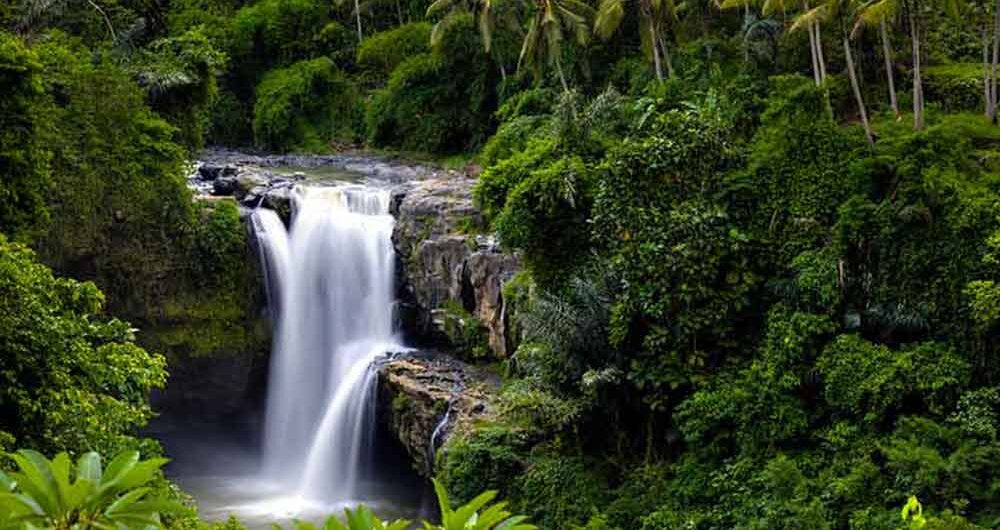
Maximize your trip with these authentic stops en route from Ubud. Five minutes south, Tegalalang Craft Village showcases woodcarvers sculpting mythological figures—bargain gently for souvenirs. Further north, Kanto Lampo Waterfall offers tiered cascades perfect for a cool dip (IDR 20K entry). Coffee lovers shouldn’t miss Santi Uma Plantation for civet coffee tastings amidst spice gardens. For temple serenity, the rock-cut shrines of Gunung Kawi (20 mins drive) are awe-inspiring. Combine with other Ubud’s top things to do for a fulfilling day.
- Artisan Highlights: Woodcarving (Tegallalang), silver (Celuk), batik (Tohpati)
- Waterfall Trio: Kanto Lampo, Tibumana, and Tegenungan within 30 mins
- Caffeine Fix: Ethical luwak coffee farms line Jalan Raya Tegallalang
- Temple Option: Gunung Kawi’s 11th-century royal memorials
Sustainable Tourism: Protecting the Terraces
Your visit impacts this fragile ecosystem. Stick to marked paths to prevent soil erosion; never step on rice shoots. Refuse plastic straws—warungs serve fresh coconuts with bamboo sips. Support farmers directly: Pay entry donations, buy local snacks, or contribute to Subak Heritage Foundation. Avoid terrace “swimming” photos—chemicals from skin damage aquatic ecosystems. Water conservation matters; Bali faces shortages—shower after returning to accommodations. Lastly, learn one Balinese phrase: “Tri Hita Karana“—the philosophy balancing spirit, nature, and community. Honor it.
- Path Preservation: Straying erodes soil; damages irrigation channels
- Plastic Reduction: Carry reusable bottles; 80% of Bali’s waste is plastic
- Water Wisdom: Balinese use 65% less water per hectare than industrial farms
- Cultural Respect: Donations fund temple ceremonies maintaining water harmony
Warungs and Cafés: Fueling Up With a View
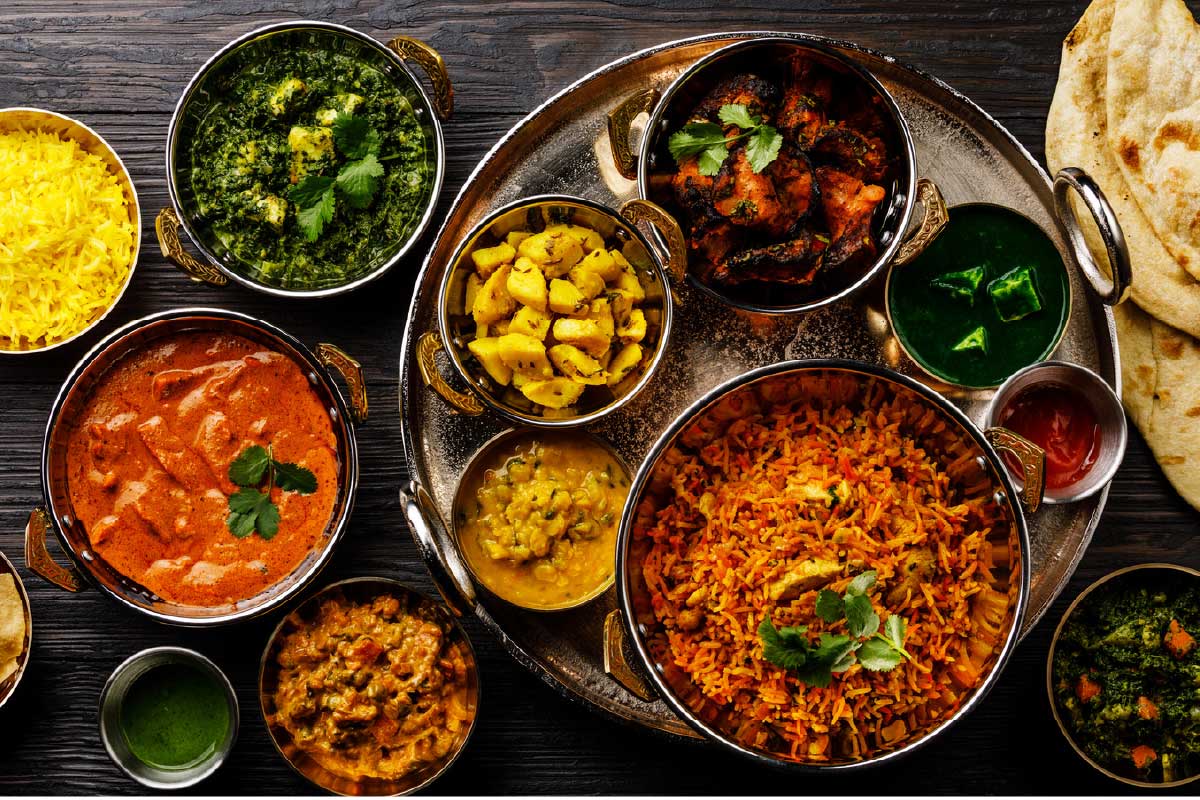
Skip overpriced tourist cafes for family-run warungs with terrace vistas. Near the main entrance, Warung Babi Guling Dewa Malen serves succulent roast pork (IDR 50K) on banana leaves. Vegetarians love Clear Cafe Tegallalang for jackfruit burgers and turmeric lattes. For panoramic lunches, Teras Padi Cafe offers grilled mahi-mahi (IDR 75K) on breezy platforms. Must-try: Jaje Bali (colorful rice cakes) from roadside grannies. Post-visit, head to one of Ubud top-rated restaurants.
Hydration tip: Young coconut (IDR 20K) replenishes electrolytes better than soda.
- Local Specialties: Babi guling (suckling pig), bebek betutu (spiced duck)
- Budget Eats: Nasi campur (mixed rice) for IDR 25K at village warungs
- View Cafés: Teras Padi, Alas Harum, or Lumba Lumba for elevated dining
- Food Safety: Stick to busy spots with high turnover; avoid raw veggies
Accommodations: From Bamboo Huts to Boutique Stays
Wake up to misty terrace views without the crowds by staying nearby. Bamboo eco-lodges like Hideout Bali (15 mins away) offer Instagram-famous riverfront treehouses (€120/night). Budget travelers adore Omma Dayclub Rooms—basic but clean with infinity pools overlooking valleys (IDR 400K/night). For luxury, Pramana Watu Kurung’s cliffside villas feature private plunge pools (€220/night). Homestays in Tegallalang Village (Pondok Bali Homestay, IDR 250K) deliver authentic family hospitality. Pro tip: Book sunrise-facing rooms—dawn over paddies is magical.
- Eco-Lodges: Hideout Bali, Bambu Indah (sustainable bamboo architecture)
- Mid-Range Gems: Omma Bali, Pajari Resort (pool + rice field access)
- Village Homestays: Basic rooms from IDR 150K; includes breakfast
- Booking Lead Time: Reserve 3-6 months early for iconic properties