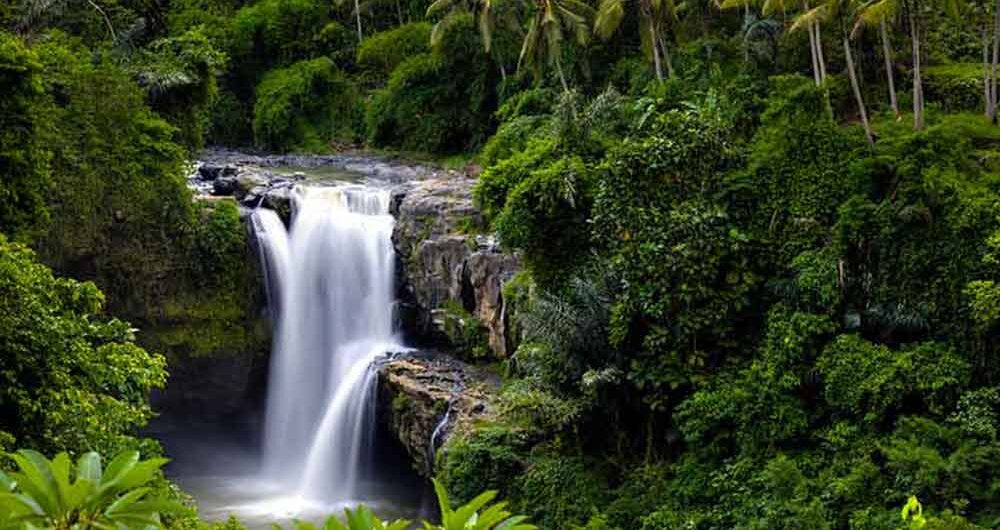
Nestled near Ubud, Tegenungan Waterfall offers a captivating slice of Bali’s natural splendour without arduous treks. Unlike highland cascades, this 15-metre torrent plunges into a turquoise pool amid lush jungle, easily reachable for families or solo explorers. Its proximity to urban hubs like Denpasar makes it among Bali’s most visited waterfalls, though seasonal variations dramatically alter its character. Monsoon rains amplify its roar into a muddy deluge, while dry months reveal calmer, swimmable waters. Recent infrastructural upgrades—staircases, viewpoints, and cafes—cater to growing tourist demand, yet debates persist about commercialisation versus authenticity. For travellers weighing convenience against raw beauty, this Tegenungan Waterfall review scrutinises every facet, from accessibility to ecological impact, ensuring you craft an informed itinerary.
The motorbike’s hum faded as I killed the engine, greeted only by crowing roosters and the distant, throaty roar of falling water. 5:45 AM. Mist curled like phantom fingers through the warung stalls lining Tegenungan’s deserted entrance. Paying my 20,000 IDR (£1), I fastened a borrowed sarong – respect for Bali’s sacred landscapes isn’t optional – and began the descent. My bare feet met cool, damp concrete as 200+ steps spiralled into the jungle’s emerald embrace. This pre-dawn ritual, I’d learn, was the key to unlocking Tegenungan’s true magic.
Tegenungan’s fame fuels its greatest critique: overtourism. Midday sees bottlenecks on staircases and selfie queues at popular vantage points. Vendors hawk souvenirs relentlessly, diluting the wilderness ambience. However, strategic timing mitigates this. Weekday dawn visits (7–8 AM) offer near-solitude, while sunset lures influencers but thins family crowds. Newly built bamboo cafes serve kopi luwak and nasi goreng, providing refuge but encroaching on sightlines. For purists, neighbouring Tibumana or Kanto Lampo waterfalls promise quieter alternatives.
The Tegenungan Waterfall Experience
Journey & Arrival
Navigating the ThresholdWinding through backroads south of Ubud, the air thickens with humidity and the scent of clove cigarettes. Signposts multiply – “Air Terjun Tegenungan” – leading to a bustling village fringe. *Pro Tip: Rent a scooter (70k IDR/day) or use Grab; tour buses clog access roads by 10 AM.*
The Gateway
Arriving feels like entering a living diorama. Park attendants wave scooters into dusty slots (5k IDR). The main gate buzzes with energy: sarong vendors (15k IDR rental), hawkers selling pisang goreng (fried bananas), and ticket booths (20k IDR adult entry). Lockers (10k IDR) and basic changing huts flank the entrance – changing facilities exist, but manage expectations; this isn’t a spa.
“First lesson? Arrive as Bali wakes. By 9 AM, the stairwell becomes a conga line.”
The Descent: A Sensory Initiation
The staircase descends sharply, concrete steps slick with perpetual mist. Handrails, added post-2023, are lifesavers. Jungle walls close in: prehistoric ferns drip condensation, twisted banyan roots grip volcanic rock, and the tropical foliage vibrates with cicada song. Midway viewpoints offer heart-stopping glimpses – the falls thundering below like a living creature.
Human Elements
Small shrines adorned with canang sari (palm-leaf offerings) appear beside the path. Artisan stalls punctuate the descent:
-
“Sarong, Miss? For temple, very cheap!”
-
Young boys sell chilled young coconuts (25k IDR), their machetes flashing.
-
A wizened woman weaves frangipani bunga (flowers) into hair combs.
The Soundtrack:
The waterfall’s roar deepens from murmur to thunder. Humidity clamps down, thick as wet velvet. Your clothes cling. The scent shifts – petrichor, frangipani, and the mineral tang of churned river water.
First Encounter: The Falls Unveiled
Rounding the final bend, Tegenungan erupts into full view. It’s wider than expected – a broad, muscular curtain of white water crashing into a foaming pool. Jungle vines frame the spectacle like a proscenium arch. Morning sun shafts pierce the mist, conjuring ephemeral rainbows. It’s humbling.
Seasonal Personality:
-
Dry Season (May-Sept): The cascade splits into distinct streams over black basalt. Water clarity improves, revealing the swimmable at Tegenungan turquoise pool. Currents are gentler.
-
Wet Season (Nov-March): A single, furious deluge. The pool swells, turning café-au-lait brown with sediment. Swimming is prohibited – the undertow is deadly. Power replaces prettiness.
“I visited in June. Stepping into that cool (22°C!), clear water after the humid descent felt like rebirth. In January? I stood awestruck by its raw, terrifying power – no swimming, just primal reverence.”
4. The Swim: Communion with the Current
Shedding my sarong, I waded in. Smooth river stones gave way to soft silt underfoot. Depth varies – shallows near the rocks, deepening towards the central cascade. Lifeguards (present 8 AM-5 PM) blew whistles at over-ambitious swimmers edging too close to the pounding falls.
Reality Check:
-
Footwear Essential: Hidden rocks are sharp! Wear reef shoes or sturdy sandals.
-
Currents: Respectably strong near the falls. Weak swimmers should stay peripheral.
-
Hygiene: This is a living river, not a chlorinated pool. Avoid swallowing water. Post-rainfall, bacterial counts spike.
-
Changing: Those huts are functional, not glamorous. Bring a microfibre towel and waterproof bag.
Floating on my back, gazing up at the torrent framed by jungle canopy, felt transcendent. The water’s roar drowned all human noise, creating a bubble of pure, elemental presence.
5. The Human Tide: Navigating Crowds & Commerce
By 11 AM, paradise shifts. Instagrammers queue for the “perfect shot” at key viewpoints. Families picnic loudly. Vendors descend the stairs, offering Bintang beers (50k IDR) and pineapple slices. The jungle symphony is drowned by chatter and ringtones.
Finding Sanctuary:
-
Left Bank Refuge: Cross the small bridge upstream (often missed!). Quieter pools and sun-dappled rocks offer respite.
-
Bamboo Cafes: Perched mid-descent, Warung Dewi serves potent kopi luwak (120k IDR) and fiery nasi campur (mixed rice). Views are panoramic, prices inflated.
-
The Magic Hours: Return post-3 PM. Day-trippers leave; golden light gilds the falls.
“As a solo female, midday crowds felt overwhelming. I retreated upstream, finding solace where a local grandmother washed clothes, smiling toothlessly as I sketched the scene.”
6. Sacred Ground: Ecology & Cultural Nuance
Tegenungan isn’t just scenery; it’s part of Bali’s spiritual and waterfall ecology system.
-
Sacred Sites: Pura Beji temple complex flanks the river upstream. Enter only with sarong/sash, respectfully dressed. Observe quietude.
-
Banjar Stewardship: Your entry fee funds the local village council (banjar), supporting upkeep and community projects.
-
Plastic Peril: Despite bins and signs, plastic wrappers sometimes snag on riverside bushes. Pack out everything. Support local clean-up drives if visible.
-
Water Temple Connection: Tegenungan feeds the subak system irrigating Ubud’s iconic Tegallalang rice terraces. Its health is agricultural imperative.
Responsible Visiting:
-
Bring a reusable water bottle (refill stations top-side).
-
Hire local guides for cultural insights.
-
Donate directly to visible conservation efforts.
-
Respect “No Swimming” signs absolutely during monsoon.
7. Capturing the Essence: A Photographer’s Tactics
Tegenungan photography demands strategy to overcome crowds and challenging light.
Golden Rules:
-
Timing is Everything: Dawn (6-8 AM) offers soft light, minimal crowds, and mist drama. Sunset (4-6 PM) for warm backlight. Avoid harsh midday sun.
-
Gear Up:
-
Wide-angle lens (16-35mm) for grandeur.
-
ND Filter (e.g., ND64) for silky water effects in daylight.
-
Waterproof casing/cover – spray is relentless.
-
Tripod (essential for long exposures).
-
-
Composition Secrets:
-
Lower Platform: Shoot wide, include lush foreground foliage.
-
Mid-Level Rocks (Safe Access Only): Frame falls through jungle canopy.
-
Upstream Bridge: Capture reflections and quieter river moods.
-
Human Element: Silhouette a swimmer against the torrent (requires model/patience!).
-
-
Drone Caution: Strict regulations! Permits required. No-fly zones near temples. Respect privacy and safety.
“My favourite shot? Captured at 7:15 AM from the left bank rocks – the falls erupting through kapok leaves, one lone swimmer dwarfed by its scale, mist diffusing the dawn light into gold.”
8. The Solo Female Lens: Safety & Sensibility
Tegenungan felt overwhelmingly safe, even alone pre-dawn. Staff were visible and professional. However:
-
Vendor Persistence: Polite but firm “Tidak, terima kasih” (No, thank you) usually suffices. Avoid prolonged eye contact if uninterested.
-
Changing Areas: Use lockers for valuables. Huts offer privacy but aren’t lockable. Change quickly.
-
Slippery Surfaces: The REAL hazard! Grippy water shoes are non-negotiable. I witnessed 3 slips descending.
-
Swimming Solo: Stick to shallower areas within lifeguard sightlines. Avoid isolated spots upstream.
-
Intuition Rules: If a spot feels overly secluded or uncomfortable, move.
Dawn swims offered profound solitude. Sharing smiles with Balinese women making morning offerings at the water’s edge created moments of quiet connection transcending language.
9. Beyond the Falls: Crafting Your Ubud Day
Maximize your journey south of Ubud:
-
Morning: Tegenungan Waterfall (Arrive 6:30-7 AM)
-
Late Morning: Goa Gajah (Elephant Cave) – Ancient Hindu-Buddhist sanctuary (15 mins drive). Require sarong.
-
Lunch: Warung Babi Guling Ibu Oka (Ubud) – Legendary suckling pig.
-
Afternoon: Tegallalang Rice Terraces – Hike, swing, coffee tasting (25 mins drive).
-
Alternative Cascades: Prefer wilder, less-trodden options?
-
Tibumana: Deeper jungle trek, serene pool.
-
Kanto Lampo: Unique rock-hopping climb, cascading tiers.
-
Sekumpul: Bali’s king, requires serious hike/guide.
-
10. The Verdict: Is Tegenungan Worth It?
Tegenungan Waterfall embodies Bali’s tourism paradox. Its accessibility is its superpower and its curse.
The Shining YES:
-
Unmatched ease of access for a major waterfall.
-
Truly spectacular visual power, especially post-rain.
-
Unique swimming at Tegenungan experience in dry months.
-
Well-managed safety infrastructure (lifeguards, railings).
-
Supports vital local banjar community.
-
Creates iconic Bali waterfall experiences within reach of all mobility levels (descent manageable for most).
The Caveats:
-
Overtourism Reality: Midday crowds erode serenity.
-
Commercial encroachment (vendors, cafes).
-
Environmental pressure needs constant traveller vigilance.
-
Wet season swimming ban disappoints some.
Tegenungan isn’t a hidden gem. It’s a dazzling, accessible, democratised piece of Bali’s natural theatre. To experience its magic, you must play by its dawn rules. Arrive early, swim respectfully, support sustainably, and embrace the vibrant, sometimes chaotic, humanity surrounding it. For a pure wilderness quest, venture further. For a powerful, convenient Bali waterfall experience blending nature, culture, and yes, commerce, Tegenungan delivers an unforgettable, quintessentially Balinese Tegenungan Waterfall review moment. Pack your grippy shoes, your sarong, and your pre-dawn alarm. The roar awaits.