Traveling to Mexico from the USA is an exciting adventure filled with vibrant culture, stunning landscapes, and unforgettable experiences. Whether you’re exploring ancient ruins, relaxing on pristine beaches, or indulging in delicious cuisine, there are plenty of things to know before traveling to Mexico to ensure a smooth and enjoyable trip. From understanding local customs to navigating transportation, being prepared will help you make the most of your journey. Mexico offers something for every traveler, whether you’re seeking adventure, relaxation, or cultural immersion. With its warm hospitality and diverse attractions, it’s no wonder why so many Americans choose Mexico as their go-to destination. Let’s dive into the essential tips and insights to help you plan the perfect getaway.
1. Passport and Visa Requirements
Before packing your bags, ensure your passport is valid for at least six months beyond your planned departure date. US citizens traveling to Mexico for tourism don’t need a visa for stays up to 180 days, but you’ll receive a tourist card (FMM) upon arrival. Keep this card safe, as you’ll need it to exit the country. Overstaying can result in fines, so always check the stamped duration on your FMM.
If you’re flying, airlines often distribute FMM forms during the flight. Fill it out beforehand to save time at immigration. For land crossings, the process is similar, but some border zones allow shorter stays without an FMM—double-check the rules based on your entry point. Mexico’s entry requirements are straightforward for Americans, but overlooking details like passport validity or the FMM can lead to unnecessary stress. Always verify current regulations, as policies occasionally change. The FMM is particularly crucial—losing it means paying a replacement fee before leaving. Digital nomads or long-term travelers should confirm their permitted stay length, as overstaying can affect future visits.
Note: Because of ongoing diplomatic crises between USA & Mexico, check regulations with Mexico Embassy in USA before heading out. This helps avoid any surprises at the border.
Key Details:
- Why It Matters: Avoid entry denials or fines by having the right documents.
- Required: Valid passport, completed FMM form (if applicable).
- Processing Time: FMM is issued on arrival; no advance application needed.
- Tip: Make photocopies of your passport and FMM in case of loss.
Pro Tips: Always carry a printed copy of your hotel reservation or itinerary—immigration officers may ask for proof of accommodation.
2. Best Time to Visit for Ideal Weather
Mexico’s climate varies by region, so timing your trip depends on your preferred activities. The dry season (November to April) is ideal for beach destinations like Cancún and cultural hubs like Mexico City, with comfortable temperatures and minimal rain. Coastal areas can get humid, but the ocean breeze keeps things pleasant.
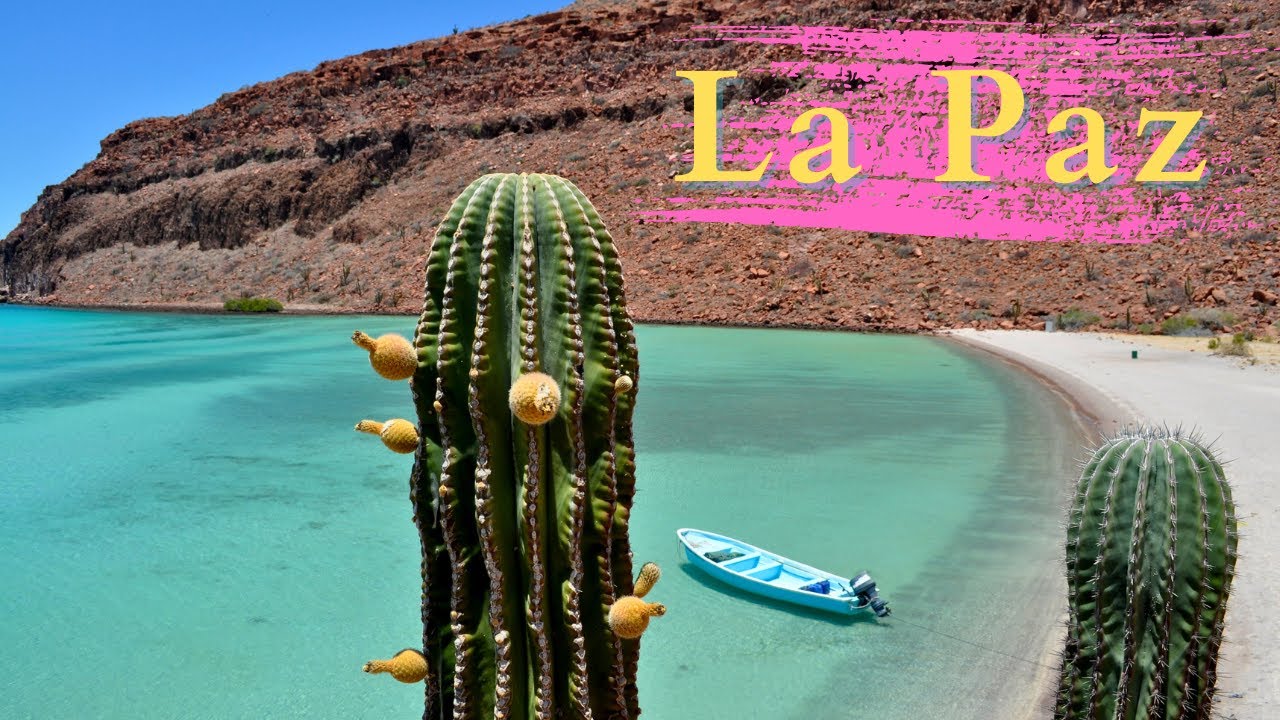
If you’re heading to the Yucatán Peninsula, avoid the rainy season (June to October), though afternoon showers are usually brief. For desert regions like Baja California, spring and fall offer the most comfortable weather. Mountain towns like San Cristóbal de las Casas are cooler year-round, so pack layers. Mexico’s size means microclimates abound—research specific destinations rather than relying on general forecasts. Hurricane season (June-November) primarily affects the Caribbean coast, so purchase travel insurance for flexibility. Shoulder seasons (May-June, September-October) balance good weather with fewer crowds, while December-April’s peak season guarantees sunshine but higher prices.
Seasonal Guide:
- Peak Season: December to April (sunny skies, higher prices).
- Shoulder Season: May-June, September-October (fewer crowds, good deals).
- Rainy Season: July-August (lush landscapes, occasional storms).
- Tip: Check regional weather patterns—microclimates can vary widely.
Pro Tips: Book flights and accommodations early for peak-season travel to secure the best rates.
3. Currency and Payment Methods
The Mexican Peso (MXN) is the official currency, and while USD is accepted in tourist areas, you’ll get better prices using pesos. Avoid exchanging money at airports—opt for ATMs or local banks for better rates. Credit cards are widely accepted, but smaller shops and markets often prefer cash.
Notify your bank of your travel plans to avoid card blocks. Some establishments add a 5-10% fee for card payments, so always ask beforehand. Street vendors and taxis usually only accept cash, so keep small bills handy for convenience. Mexico’s cash economy still dominates outside resorts—always carry pesos for tips, tolls, and local markets. ATMs dispense pesos, but avoid standalone machines in secluded areas to prevent skimming. Credit cards work for hotels and upscale restaurants, but Visa/Mastercard are more reliable than Amex. Dynamic currency conversion (paying in USD) seems convenient but offers poor exchange rates—always choose pesos when prompted.
Money-Saving Tips:
- Exchange Rate: ~17-20 MXN per USD (check current rates).
- ATMs: Use bank-affiliated ATMs to avoid high fees.
- Cash Tips: Expected for services like tours and restaurants (10-15%).
- Tip: Carry a mix of cards and cash for flexibility.
Pro Tips: Withdraw larger amounts to minimize ATM fees, but don’t carry excessive cash for safety.
4. Safety Tips for Travelers
Mexico is generally safe for tourists, but staying aware of your surroundings is key. Stick to well-traveled areas, avoid displaying valuables, and use reputable transportation. Petty theft can occur in crowded places, so keep bags secure and be cautious with your phone in public.
Research your destinations beforehand—some regions have travel advisories. Apps like Google Maps and Uber can enhance safety by providing reliable routes and rides. If driving, stick to toll highways (cuotas) for better security and road conditions. Most tourist zones like Playa del Carmen or Los Cabos have visible police presence, but scams like overcharging taxis happen. Learn common cons (e.g., fake police asking for bribes) to stay vigilant. Night travel by bus is safe on major routes like ADO’s overnight services. Solo travelers should share live locations with trusted contacts and avoid isolated hiking trails. Mexico’s emergency number (911) works nationwide, and many cities have tourist police (Policía Turística) who speak English.
Safety Checklist:
- Avoid: Unmarked taxis, isolated areas at night.
- Emergency Number: Dial 911 (nationwide).
- Local Advice: Ask hotel staff about area-specific precautions.
- Tip: Share your itinerary with someone back home.
Pro Tips: Learn basic Spanish phrases like “¿Dónde está…?” (Where is…?) to navigate confidently.
5. Transportation Options Within Mexico
Mexico offers diverse transportation, from budget-friendly buses to domestic flights. For long distances, ADO buses are comfortable and affordable, with routes covering major cities and tourist spots. In cities, Uber and Didi are safer alternatives to taxis, though official taxi stands are also reliable.
Renting a car gives flexibility, especially for exploring coastal drives or rural areas. However, driving in cities like Mexico City can be chaotic—consider public transit instead. Metro systems in Mexico City and Monterrey are efficient and inexpensive. Mexico’s bus network is Latin America’s best—luxury lines like ETN offer reclining seats and movies. For intercity trips, compare flight prices—low-cost carriers like Volaris often undercut buses. Rental cars require liability insurance (usually not covered by US credit cards), and police checkpoints are common—always carry your license and rental agreement. Apps like BlaBlaCar facilitate ride-sharing between cities, but vet drivers carefully.
Getting Around:
- Best for Cities: Metro, Uber, official taxis.
- Best for Long Distance: ADO buses or domestic flights.
- Car Rentals: Recommended for scenic routes (e.g., Riviera Maya).
- Tip: Book buses in advance during holidays.
Pro Tips: Use the Moovit app for real-time public transit schedules in major cities.
6. Language and Communication
Spanish is Mexico’s official language, but English is spoken in tourist areas. Learning basic phrases like “gracias” (thank you) and “¿Cuánto cuesta?” (How much?) enhances interactions. Locals appreciate the effort, even if your pronunciation isn’t perfect.
Download offline translation apps like Google Translate for areas with limited English. Many restaurants in tourist zones have English menus, but smaller towns may not. If you’re lost, look for younger locals—they’re more likely to speak English. Spanish proficiency varies—resort staff are often bilingual, while rural vendors may know only indigenous languages. Hand gestures and patience go far. Mexicans are polite—mispronunciations won’t offend them. Key phrases include “disculpe” (excuse me) and “habla inglés?” (do you speak English?). Avoid slang—Mexican Spanish differs from other dialects. For complex needs (e.g., medical issues), hotels can usually find English-speaking help.
Quick Phrases:
- Hello: “Hola”
- Help: “Ayuda”
- Bathroom: “Baño”
- Tip: Point to items or use gestures if language fails.
Pro Tips: Practice numbers (1-10) to handle prices and bargaining at markets.
7. Must-Try Mexican Foods (Non-Pork)
Mexican cuisine is a highlight of any trip, with flavors ranging from smoky to spicy. Try classics like tacos al pastor (marinated meat), enchiladas suizas (chicken in green sauce), and chiles en nogada (stuffed peppers). Street food is a must—look for busy stalls to ensure freshness.
Vegetarians will love quesadillas with huitlacoche (corn fungus) or nopales (cactus). Seafood dishes like ceviche and aguachile are coastal staples. Always drink bottled water and avoid raw veggies washed in tap water. Regional specialties abound—Oaxaca’s tlayudas (crispy tortillas with beans), Puebla’s mole poblano (complex sauce over chicken), and Yucatán’s cochinita pibil (achiote-marinated meat). Markets like Mexico City’s Mercado San Juan offer gourmet ingredients, while fondas (small eateries) serve affordable home-style meals. Mexicans eat late—lunch (comida) is 2-4 PM, dinner after 8 PM. Always ask “¿Qué me recomienda?” (What do you recommend?)—chefs love sharing favorites.
Foodie Favorites:
- Breakfast: Chilaquiles (tortilla chips with sauce).
- Snack: Elote (grilled corn with toppings).
- Dessert: Flan or tres leches cake.
- Tip: Ask “¿Es picante?” (Is it spicy?) if you’re sensitive to heat.
Pro Tips: Visit local markets like Mercado 28 in Cancún for authentic, budget-friendly meals.
8. Cultural Etiquette and Customs
Mexicans are warm and polite, so greetings matter. A handshake or slight nod is standard, while close friends may hug. Always say “buenos días” (good morning) or “buenas tardes” (good afternoon) when entering shops.
Respect religious sites by dressing modestly—no shorts or tank tops in churches. Tipping is customary (10-15% at restaurants, small change for baggers at supermarkets). Avoid sensitive topics like politics unless the local brings it up first. Personal space is smaller than in the US—don’t back away if someone stands close. Punctuality is fluid—social events start late, but tours and business meetings stick to time. Complimenting homes or meals is polite—”qué bonito” (how beautiful) shows appreciation. Mexicans often downplay problems to avoid conflict—read between the lines if someone seems hesitant. Family is central—asking about children or parents builds rapport. Photography requires consent, especially in indigenous communities where some believe cameras steal souls.
Do’s and Don’ts:
- Do: Say “por favor” (please) and “gracias.”
- Don’t: Assume punctuality—social events often start late.
- Gift Giving: Small tokens from your hometown are appreciated.
- Tip: Accept invitations politely, even if you decline later.
Pro Tips: If invited to a home, bring a dessert or flowers (avoid marigolds—they’re for funerals).
9. Packing Essentials for Mexico
Packing smart ensures comfort across Mexico’s diverse climates. Lightweight, breathable clothing is ideal for beaches, while cities like Mexico City require layers for cooler evenings. Sturdy walking shoes are a must for cobblestone streets and archaeological sites.
Don’t forget sunscreen, a reusable water bottle with a filter, and insect repellent for tropical areas. A lightweight rain jacket is handy during the rainy season. If visiting high-altitude destinations, pack altitude sickness remedies. Mexico’s varied terrain demands versatility—beachwear for Cozumel, hiking boots for Copper Canyon, and a light sweater for San Miguel de Allende’s chilly nights. Electronics need dual-voltage compatibility (Mexico uses 127V, Type A/B plugs). A small first-aid kit with antidiarrheals and bandaids saves pharmacy trips. Leave expensive watches at home—a cheap waterproof watch works for cenote swims. Pack a foldable duffel for souvenirs—you’ll inevitably buy more than planned.
Packing List:
- Clothing: Swimwear, hat, light jacket.
- Gear: Universal adapter, power bank.
- Health: Prescriptions, motion sickness tablets for winding roads.
- Tip: Pack a foldable tote for market finds.
Pro Tips: Leave expensive jewelry at home to avoid drawing unnecessary attention.
10. Health and Vaccination Precautions
No vaccinations are required for Mexico, but Hepatitis A and Typhoid shots are recommended. Stick to bottled water and avoid ice in drinks unless you’re sure it’s purified. Mosquito-borne illnesses like dengue exist in tropical zones, so use repellent.
Pharmacies (farmacias) are widespread, and many medications are available over-the-counter. For serious issues, private hospitals offer better care than public ones. Travel insurance with medical coverage is highly advised. Altitude affects many travelers in cities like Mexico City (7,350 ft)—hydrate, avoid alcohol initially, and consider Diamox if prone to sickness. Sunburn is a real risk—reef-safe sunscreen protects both skin and marine ecosystems. Pharmacies sell antibiotics without prescriptions, but consult a doctor first. “Simi” pharmacies have affordable consultations (~$2-5). Travel insurance should cover evacuation—remote areas lack advanced care. COVID protocols vary—some museums still require masks. Carry your vaccine card just in case.
Health Tips:
- Water Safety: Brush teeth with bottled water in rural areas.
- Altitude Sickness: Hydrate and rest if visiting high-elevation spots.
- Insurance: Verify coverage for emergencies.
- Tip: Carry hand sanitizer for street food stops.
Pro Tips: Pack diarrhea relief tablets—even cautious travelers can get mild stomach issues.
11. Internet and SIM Cards
Free Wi-Fi is common in hotels and cafes, but speeds vary. For reliable connectivity, buy a local SIM card from Telcel or Movistar. Airport kiosks sell tourist SIMs with data, or visit a provider store in town for cheaper options.
eSIMs are a convenient alternative if your phone supports them. Apps like WhatsApp are widely used for calls and texts. In remote areas, signal can be spotty—download offline maps and essential info beforehand. Telcel’s “Amigo” prepaid plans offer the best coverage—~$10 for 1.5GB valid a week. Airalo’s eSIM works well for multi-country trips. Public Wi-Fi (e.g., at Oxxo convenience stores) is slow but functional. Cafés often require purchases for passwords. For digital nomads, coworking spaces like WeWork (Mexico City) provide stable connections. Always use a VPN on public networks—cybercrime exists. Mexican cell towers sometimes default to 3G—manually select 4G/LTE in settings for faster speeds.
Connectivity Guide:
- Best Providers: Telcel (best coverage), AT&T Mexico.
- Cost: ~$10-20 for a 2GB plan.
- Hotspots: Starbucks, malls, and most restaurants offer Wi-Fi.
- Tip: Enable airplane mode to avoid roaming charges.
Pro Tips: Ask your hotel for a SIM recommendation—they often know the best local deals.
12. Exploring Mexico’s Natural Wonders
From cenotes to volcanoes, Mexico’s landscapes are breathtaking. Snorkel in the Great Maya Reef, hike the copper canyons, or witness monarch butterfly migrations. National parks like Sumidero Canyon offer guided boat tours for wildlife spotting.
Eco-tourism is growing, with community-run tours supporting conservation. Respect protected areas by following “no trash” rules and staying on marked trails. Some sites, like Hierve el Agua, require early arrival to avoid crowds. The Sian Ka’an Biosphere’s mangroves host manatees and crocodiles—visit with certified guides. Whale sharks congregate off Isla Holbox (June-September)—book sustainable tours that limit interaction. The surreal “Prismas Basálticos” in Hidalgo are volcanic rock columns rivaling Ireland’s Giant’s Causeway. For adventure, try rappelling into Jalcomulco’s waterfalls or spelunking in Grutas de Tolantongo’s thermal caves. Always check if permits are needed—some cenotes in Quintana Roo require wristbands purchased in advance.
Nature Hotspots:
- Cenotes: Ik Kil near Chichén Itzá is iconic.
- Volcanoes: Popocatépetl (view from afar).
- Wildlife: Whale watching in Baja (December-April).
- Tip: Book tours with eco-certified operators.
Pro Tips: Visit biosphere reserves like Sian Ka’an for untouched beauty—bring binoculars!
13. Shopping and Souvenirs
Mexico’s markets are treasure troves of handicrafts, from Oaxacan alebrijes (wooden animals) to Talavera pottery. Bargaining is expected in markets but not in stores. Always ask before photographing artisans’ work—some request tips.
Avoid buying items made from endangered species (like black coral). For authentic silver jewelry, look for “.925” stamps in Taxco. Many shops ship large purchases home, saving luggage space. Bargaining starts at 30% below the asking price—stay friendly and walk away if needed. Government-run Fonart stores guarantee authentic crafts at fixed prices. Popular souvenirs include vanilla (buy only from reputable sellers—some dilute with coumarin), hand-embroidered blouses (huipiles), and Mexican chocolate. Avoid “Mayan” artifacts—real ones are illegal to export. Stores near cruise ports inflate prices—venture a few blocks inland for better deals. Save receipts over $1,200 MXN—you can reclaim VAT at airports.
Shopping Tips:
- Best Buys: Textiles, vanilla, hand-blown glass.
- Markets: La Ciudadela (Mexico City), Mercado 23 (Cancún).
- Taxes: VAT is refundable for tourists on certain purchases.
- Tip: Carry small bills—vendors may not have change.
Pro Tips: Learn the phrase “¿Me lo deja en…?” (Can you leave it at…?) to negotiate politely.
14. Day Trips and Hidden Gems
Beyond major cities, Mexico boasts lesser-known gems. Visit magical towns (Pueblos Mágicos) like Bacalar for its lagoon or Tequila for agave fields. Near Cancún, Isla Holbox offers car-free serenity with bioluminescent waters.
Guided day trips simplify logistics—try a coffee tour in Veracruz or a temazcal (sweat lodge) experience near Oaxaca. Public transport reaches some hidden spots, but private tours save time. The “Ruta del Café” in Chiapas combines waterfalls and organic coffee farms. Grutas de Cacahuamilpa’s caverns dwarf Kentucky’s Mammoth Cave. For history buffs, the ruins of Calakmul (Campeche) rival Chichén Itzá without crowds. Art lovers should head to San Miguel de Allende’s Fabrica La Aurora, a textile mill turned gallery complex. Many hidden gems lack English signage—hiring a local guide unlocks their stories. Weekdays are ideal—weekends draw domestic tourists.
Off-the-Beaten-Path:
- Querétaro: Colonial architecture without crowds.
- Cuetzalán: Waterfalls and indigenous culture.
- Real de Catorce: Desert ghost town turned arts hub.
- Tip: Weekdays are quieter for popular day trips.
Pro Tips: Rent a local guide in small towns—they’ll share stories you won’t find in guidebooks.
15. Festivals and Cultural Events
Mexico’s festivals burst with color and tradition. Day of the Dead (late October-early November) is iconic, but lesser-known events like Guelaguetza (Oaxaca’s folk dance festival) are equally captivating. Check local calendars for patron saint festivities featuring parades and fireworks.
Book accommodations early for major events, as hotels fill fast. Respect rituals—some ceremonies aren’t photo-friendly. Smaller towns offer more authentic experiences than big-city commercialized versions. January’s Three Kings Day (Día de Reyes) features sweet bread with hidden figurines. February’s Carnaval in Veracruz rivals Rio with vibrant costumes. September’s Independence Day sees “El Grito” (the cry) reenactments nationwide. For film buffs, the Morelia International Film Festival (October) screens Latin American cinema. Many festivals blend Catholic and indigenous traditions—ask locals to explain symbolism. Avoid cultural appropriation—dressing in ceremonial attire without invitation is frowned upon.
Festival Calendar:
- January: Three Kings Day (nationwide).
- February: Carnaval (Mazatlán, Veracruz).
- September: Independence Day (fireworks, “El Grito”).
- Tip: Local tourism offices provide festival schedules.
Pro Tips: Attend a “callejoneada” (street party) in Guanajuato—student musicians lead crowds through alleys.
16. Beach Safety and Ocean Conditions
Mexico’s coastline offers stunning beaches, but rip currents and strong waves can be dangerous. Always check the flag warning system before swimming—red means stay out of the water. Popular spots like Playa del Carmen have life guards, but secluded beaches may not. Be cautious of jellyfish during certain seasons, especially in the Caribbean.
Pacific coast beaches often have stronger undertows than the calmer Caribbean side. If caught in a rip current, swim parallel to shore rather than fighting against it. Many resorts provide free life jackets—use them if you’re not a strong swimmer. Avoid swimming after heavy rains when runoff can affect water quality. Some beaches have sharp coral or rocks—water shoes provide protection when snorkeling near shore.
Beach Essentials:
- Flag System: Green (safe), Yellow (caution), Red (dangerous).
- Best for Swimming: Akumal, Isla Mujeres (calm waters).
- Wave Alert: Pacific beaches like Puerto Escondido have powerful surf.
- Tip: Apply reef-safe sunscreen to protect marine life.
Pro Tips: Ask lifeguards about daily conditions—they know hidden hazards like sudden drop-offs.
17. Electricity and Plug Adapters
Mexico uses 127-volt electricity with Type A and B plugs (same as the US/Canada). Most modern electronics will work without converters, but check voltage requirements for hair tools or medical devices. Power outages occasionally occur in rural areas—pack a small flashlight or power bank.
Resorts and hotels usually have sufficient outlets, but budget accommodations might have limited plugs. Some older buildings have ungrounded two-prong outlets. If you’re bringing multiple devices, a compact power strip can be useful. Voltage fluctuations sometimes happen during storms—unplug sensitive equipment if the lights flicker.
Power Guide:
- Plug Types: Flat two-prong (Type A) or three-prong (Type B).
- Voltage: 127V (compatible with most US devices).
- Outage Preparedness: Common in tropical storm season.
- Tip: Label chargers with your name if using shared outlets.
Pro Tips: Bring a USB multi-port charger to minimize adapter needs for phones/cameras.
18. Tipping Culture and Service Expectations
Tipping is customary and often essential for service workers’ income. Restaurants expect 10-15% tips—some add a service charge automatically for large groups. Bellhops receive 20-50 pesos per bag, while housekeeping staff appreciate 20-50 pesos daily left in your room.
Tour guides should receive 10-20% of the tour cost for good service. Gas station attendants (who pump your gas) get 5-10 pesos. Unlike the US, tipping bartenders isn’t standard unless at a resort. Always tip in pesos—USD coins can’t be exchanged. Some restaurants won’t accept tips on credit cards—carry small bills for gratuities.
Tipping Guide:
- Restaurants: 10-15% (check if included first).
- Taxi Drivers: Round up fare or 10% for exceptional service.
- Spa Services: 15-20% of treatment cost.
- Tip: Keep 10-20 peso bills handy for small services.
Pro Tips: At all-inclusives, tip early for better service throughout your stay.
19. Border Crossing Procedures (Land Travel)
If driving into Mexico, you’ll need a temporary vehicle import permit (TIP) for travel beyond the border zone. These can be obtained at Banjercito offices near crossings with your registration, passport, and a credit card for the deposit. The border zone extends 20-30km south depending on location.
Returning to the US, expect wait times of 1-3 hours at major crossings like Tijuana or Laredo. Have your passport and any purchases ready for inspection. Agricultural checks are strict—declare all food items. Some border cities have “ready lanes” for passport card holders to expedite crossings. Avoid crossing during peak times (weekends, holidays) if possible.
Border Essentials:
- Vehicle Permit: Required beyond free zone (~$50 deposit).
- Best Crossing Times: Early mornings on weekdays.
- Prohibited Items: Certain fruits, plants, and medications.
- Tip: Check CBP wait times online before crossing back.
Pro Tips: Get Mexican auto insurance—US policies often don’t cover south of the border.
By keeping these 19 essential tips in mind, you’ll be well-prepared for an amazing Mexican adventure. From documentation to daily customs, understanding these things to know before traveling to Mexico will help you avoid common pitfalls and fully enjoy everything this vibrant country offers. ¡Buen viaje!