Bali’s cultural heart where emerald jungles embrace ancient temples and artisan villages. As an Italian traveler who’s explored every corner of this spiritual sanctuary, I’ll reveal Ubud BALI beyond the postcards – through dawn market explorations, waterfall meditation sessions, and conversations with woodcarvers preserving centuries-old traditions. This guide includes Top Things to in Ubud Bali ombining practical logistics with soulful storytelling. Whether you’re a solo female traveler seeking yoga sanctuaries or a culture enthusiast hunting authentic crafts, Ubud BALI weaves magic into every experience. Let’s wander beyond the Monkey Forest together.
Why Ubud BALI Captivates Travelers
Ubud isn’t just a destination; it’s a living tapestry where nature, spirituality, and artistry intertwine. Nestled in Bali’s central highlands, this cultural capital flourished as an artistic hub when European painters like Walter Spies arrived in the 1920s. Today, Ubud BALI maintains its sacred essence despite tourism growth – morning incense still perfumes family compounds, farmers tend subak-irrigated rice fields using 9th-century techniques, and temple ceremonies pulse through the streets. Unlike southern beach towns, Ubud offers deeper cultural immersion through:
- Tri Hita Karana philosophy: Balinese Hinduism’s harmony between gods, humans, and nature
- UNESCO recognition: Subak irrigation system and traditional dance forms
- Healing energy: Vortex points at Tjampuhan Ridge and Goa Gajah cave
- Female-friendly infrastructure: Women-run guesthouses, female driver services, and wellness centers
The best Ubud BALI experiences happen when you sync with local rhythms: rise with the sun for misty ridge walks, pause for afternoon tea during tropical downpours, and join evening temple processions bearing canang sari offerings.
Tegallalang Rice Terraces: Beyond the Instagram Spots
Witness agricultural artistry at Tegallalang, where emerald stairways cascade down hillsides like nature’s amphitheater. These UNESCO-protected terraces showcase Bali’s ancient subak system – a democratic water management cooperative dating to 882 AD. Farmers collectively maintain canals and weirs, ensuring equitable distribution from the sacred Pakerisan River. For the most authentic experience:
Sunrise Ritual (6-8am)
Arrive before crowds when golden light illuminates dewy paddies. Farmers begin work chanting mantras to Dewi Sri (rice goddess). Join a Ubud BALI rice farming experience to plant seedlings using traditional ani-ani knives, learning how terrace angles (35-40°) prevent erosion.
Hidden Viewpoints
Avoid the congested main deck. Trek 15 minutes north to Cekingan Village for panoramic views without vendors. Further west, the lesser-known Rendang terraces offer valley perspectives where farmers still use water buffalo for plowing.
Ethical Visits
Purchase “donation tickets” (IDR 20,000) directly from farmers maintaining the fields you photograph. Respect sacred spaces by not stepping on rice shoots or loud talking near shrines. The terraces transform seasonally: vivid green during planting (Oct-Mar), golden at harvest (Apr-Sep), and flooded with reflective waters in June.
- Photography Tip: Use polarizing filter to enhance green tones
- Footwear: Teva-style sandals for muddy paths
- Nearby Gem: Tegallalang Village woodcarving workshops
- Sustainability: Support Subak Museum preserving irrigation heritage
Sacred Monkey Forest: Navigating the Jungle Sanctuary
Step into a primordial world at Mandala Wisata Wenara Wana, where 700 Balinese long-tailed macaques roam among 115 tree species and three 14th-century temples. More than a tourist attraction, this 12.5-hectare forest embodies Tri Hita Karana philosophy – maintaining harmony between humans, nature, and spirits. To visit responsibly:
Primate Etiquette
Monkeys view direct eye contact as aggression. If one approaches, look down and slowly back away. Never smile (showing teeth = threat). Secure loose items – they target shiny objects and bottles (mistaking them for food containers).
Temple Exploration
The Pura Dalem Agung Padangtegal temple features carvings of Rangda the witch, symbolizing balance between good and evil. At Pura Beji, mothers bring offerings for fertility blessings. Women menstruating should avoid entering.
Conservation Insights
Join free daily feeding sessions (3pm) where staff explain macaque social structures. Observe conservation efforts like the “Monkey Bridge” canopy ropes reducing road crossings. Your entrance fee (IDR 80,000) funds habitat restoration and veterinary care.
- Best Time: 8:30-10am (active but less aggressive)
- Clothing: Knee-length coverings + provided sash for temples
- Photography: 200mm+ lens for safe close-ups
- Emergency: If bitten, immediately find staff for wound cleaning
Ubud Art Market: Treasure Hunting Like a Local
Beneath the iconic yellow arches of Pasar Seni Ubud, discover Bali’s creative soul. Unlike tourist traps selling imports, this labyrinth showcases generational craftsmanship: batik weavers from Gianyar, silver smiths from Celuk, and mask carvers from Mas. For a rewarding experience:
Bargaining Protocol
Start at 30% of asking price. When countered, meet midway. Key phrases: “Mahal banget” (too expensive), “Boleh kurang?” (can reduce?), “Terima kasih” (thank you). Never bargain after touching an item – it’s considered a commitment to buy.
Authentic Finds
- Morning (6-9am): Fresh batik sarongs (IDR 150,000-300,000)
- Upstairs workshops: Hand-carved Wayang puppets (IDR 250,000+)
- East corner: Organic indigo-dyed fabrics
Night Market Magic (Fri/Sat)
After 6pm, food stalls replace crafts. Try Babi Guling (suckling pig) from Ibu Oka’s stall or Lawar (spiced coconut salad). Savor Klepon (palm sugar rice balls) while watching kecak dance troupes perform.
- Payment: Small bills (IDR 50,000 notes max)
- Sustainable Tip: Buy from makers not resellers
- Unique Souvenir: Lontar palm-leaf manuscripts
Tirta Empul: Spiritual Cleansing Rituals
Participate in Bali’s most sacred water ceremony at this 1,000-year-old temple complex. Legend says the god Indra created these springs to revive poisoned soldiers. Today, Balinese Hindus perform melukat purification rites for spiritual rebirth. To respectfully join:
Ritual Sequence
1. Change into temple sarong (provided)
2. Make offering (canang sari available for IDR 10,000)
3. Queue at leftmost spout (Toya Pembersihan)
4. Immerse head under first 13 spouts for physical healing
5. Proceed to next 7 for ancestral connection
6. Avoid final 2 spouts (Toya Pati) reserved for funerals
Advanced Practices
For deeper cleansing, locals visit during Purnama (full moon). Women tie yellow threads around waist during menstruation. After bathing, meditate at the ancient banyan tree where priests tie protective threads (benang tri datu) on wrists.
- Best Time: 7-9am (fewer tour groups)
- Guided Insight: Hire temple priest for ritual explanation (IDR 150,000)
- Nearby: Presidential Palace gardens (free entry)
- Contraindications: Open wounds or skin infections
Campuhan Ridge Walk: Hidden Pathways Revealed
Discover Ubud’s most magical free experience along the knife-edge ridge where Wos River and Cerik River converge. This 2km trail reveals Bali’s quintessential landscapes: undulating hills, thatched farmsteads, and violet sunrise skies. For an enriching hike:
Secret Extensions
- East Detour: After Karsa Kafe, follow “Sanggingan” signs to rice paddies with scarecrow installations
- West Path: Behind Gunung Lebah Temple, stairs descend to hidden rock carvings
- Full Loop: Connect to Penestanan rice fields (3hr total)
Cultural Encounters
At dawn, observe women preparing canang sari offerings on family temple steps. Farmers tending toal (roosters) for ceremonial fights may invite you for kopi tubruk (mud coffee). Respect privacy by not photographing homes without permission.
Ecological Significance
The ridge forms part of Tukad Yeh Ho watershed. Notice bamboo pipelines diverting river water to farms – ancient permaculture still functioning. Conservation groups maintain trails every Thursday; join through your guesthouse.
- Start Point: Warwick Ibah Villa entrance (GPS: -8.5007, 115.2590)
- Essentials: Headlamp for dawn hikes, refillable bottle
- Birdwatching: Kingfishers, Java sparrows, Bali starlings
Balinese Cooking: From Market to Table
Unlock Ubud’s culinary soul through immersive classes at family compounds. My favorite is Paon Bali Cooking Experience in Laplapan Village, where grandmothers teach using wood-fired stoves. The journey begins at 8am in Sidemen Market, selecting ingredients:
Market Revelations
– Identify torch ginger (bunga kecombrang) for sambal matah
– Choose fresh tuna by clear eyes and red gills
– Learn bargaining etiquette from ibu (mother) Wayan
Sacred Kitchen Rituals
Before cooking, participants place offerings at family temple. Then comes the alchemy: pounding base gede spice paste in cobek stone mortars, weaving banana leaf containers for pepes ikan (steamed fish), and balancing flavors using palm sugar, tamarind, and sea salt.
Vegan Adaptations
Plant-based versions substitute jackfruit for chicken in lawar (spiced salad), and tempeh for tuna in sate. Gluten-free options use rice flour for jaja pancakes.
- Duration: 5hr (includes farm tour)
- Cost: IDR 400,000 (recipe book included)
- Ethical Choice: Supports women-led initiatives
- Advanced Option: 3-day Balinese gastronomy retreat
Goa Gajah: Decoding the Elephant Cave
This 9th-century archaeological complex reveals Bali’s religious syncretism. The cave entrance – a menacing face swallowing visitors – represents Bhoma protecting the sanctum within. Inside the T-shaped tunnel, niches housed meditating priests. Beyond, Hindu fertility statues stand beside Buddhist stupas, reflecting pre-Majapahit harmony.
Symbolic Exploration
Hire local guide Ketut (IDR 100,000) to decode:
– Seven women carving holy water: Sapta Matrikas goddesses
– Lingga-Yoni carving: Cosmic male-female balance
– Bathing pool reliefs: Scenes from Sang Hyang Trimurti
Meditation Practices
At 11am daily, groups chant in the central courtyard. Solo travelers can meditate in the cave (15 minutes max due to low oxygen). Energy workers believe the northwest corner holds potent earth vibrations.
- Opening Hours: 8am-4:30pm (quietest at 3pm)
- Combined Visit: Yeh Pulu’s 25m carved relief (2km east)
- Dress Code: Sarong tightly wrapped (no bare shoulders)
Ubud Palace Dance Performances: Behind the Curtain
Purri Saren Agung isn’t just a performance venue – the royal family still inhabits the rear courtyards. Nightly dances in the bale (pavilion) preserve Bali’s UNESCO-recognized performing arts. To appreciate fully:
Performance Guide
| Dance | Schedule | Story | Duration |
|---|---|---|---|
| Legong Keraton | Mon/Wed/Fri | Celestial nymphs | 60min |
| Barong & Rangda | Tue/Sat | Good vs evil battle | 90min |
| Kecak Fire | Thu/Sun | Ramayana epic | 75min |
Insider Viewing
Arrive 45 minutes early for front-row seats (IDR 150,000). Observe musicians tuning gender wayang metallophones. Note dancers’ eye movements – rapid flickering (seledet) conveys emotional depth.
Deeper Immersion
Join a Ubud BALI dance workshop at Pondok Pekak Library. Learn basic gestures: finger curls (nyeregseg) for leaves, trembling hands (geol) for fear. Women wear ceremonial bindings (anteng) to flatten breasts for androgynous movement.
- Photography: No flash during performances
- Etiquette: Stand during entering/exiting dancers
- Nearby: Lotus Cafe for pre-show dinner
Tegenungan Waterfall: Beyond the Crowds
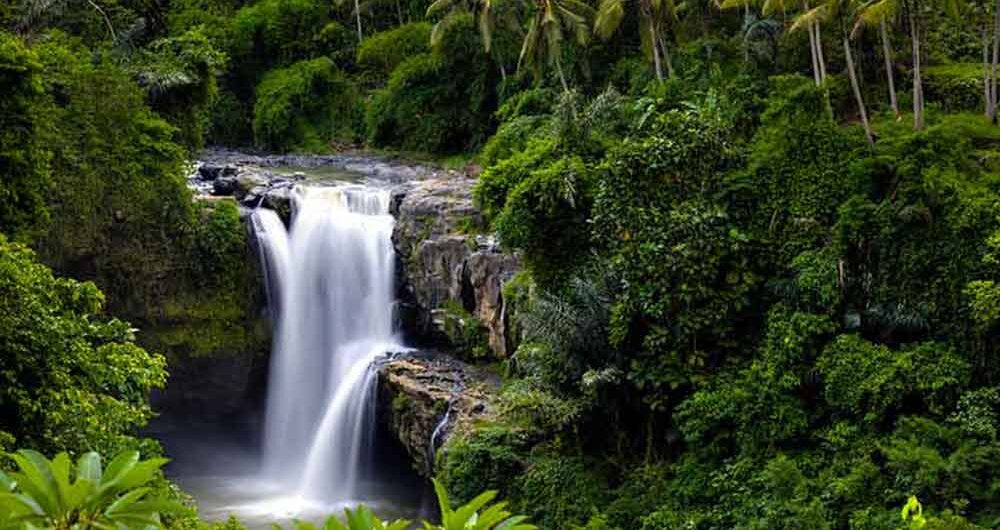
While most visitors snap photos from the main platform, savvy travelers discover Tegenungan’s hidden dimensions:
Secret Swimming Holes
Descend the 230 steps, then turn left before the bridge. Wade upstream 100m to find private cascades with natural massage spots. Best during dry season (Apr-Oct) when currents are gentle.
Waterfall Rituals
Locals believe the falls house healing spirits. Join purification ceremonies on Purnama (full moon) mornings. Offerings include bija (rice grains) and melukat prayers.
Canyon Exploration
Hire local guide Wayan (IDR 100,000) to trek downstream through bamboo forests to Kemenuh Falls. Requires rock scrambling but rewards with untouched pools.
- Safety: Heed red flags during rainy season
- Opening: 6:30am-6:30pm (early access avoids buses)
- Facilities: Lockers IDR 20,000, freshwater showers
Yoga & Wellness: Ubud’s Healing Ecosystem
Ubud BALI’s wellness scene transcends trendy classes – it’s rooted in ancient traditions. Beyond famous studios, discover:
Traditional Therapies
– Usada: Balinese massage with boreh herbal compress
– Balinese Urut: Joint manipulation for energy flow
– Jamu Making: Crafting turmeric-tonic elixirs
Women’s Wellness
Specialized centers like The Yoga Barn’s Womb Wisdom program offer:
– Hormonal balance through yoni steaming
– Prenatal yoga with traditional birth wisdom
– Postpartum jamu rituals
Healer Consultations
Authentic balians (healers) don’t advertise. Ask your villa staff for referrals. Typical sessions include:
1. Palm reading (rerejahan)
2. Flower offering analysis
3. Energy cleansing with mantras
Expected donation: IDR 200,000-500,000
- Top Studios: Intuitive Flow (acroyoga), Radiantly Alive (tantra)
- Retreats: 5-day Goddess Awakening (women only)
Ubud’s Culinary Revolution: Farm-to-Table Havens
Ubud BALI pioneered Indonesia’s sustainable dining movement. Beyond tourist spots, discover:
Warung Culture
Family-run kitchens like Warung Sopa serve:
– Nasi Campur: Rice with 12+ market-fresh sides
– Bebek Betutu: 12-hour smoked duck
– Lawar Kuning: Young jackfruit salad
Zero-Waste Innovators
– Locavore: 7-course tasting menu from 50km radius
– Moksa: Permaculture garden supplying plant-based dishes
– Alchemy: Raw vegan buffet using solar energy
Discover more at this curated guide to restaurants in Ubud featuring organic pioneers and heritage warungs.
- Must-Try: Salak (snake fruit) sorbet at Room4Dessert
- Budget Tip: Lunch specials 30% cheaper than dinner
- Cooking Class: Plant Medicine Kitchen’s herbal workshop
Accommodation Guide: Where to Stay in Ubud BALI
By Area
| Zone | Atmosphere | Best For | Recommendation |
|---|---|---|---|
| Central Ubud | Cultural hub | First-time visitors | Bisma Eight (jungle views) |
| Sayan Valley | Secluded luxury | Honeymooners | Four Seasons Ayung River |
| Penestanan | Artistic village | Long-term stays | Taman Indrakila Villa |
Solo Female Picks
– Hostels: Puri Garden (women-only dorms)
– Retreats: Blooming Lotus Yoga Sanctuary
– Homestays: Dewa Bungalows (family compound)
- Booking Tip: Direct booking discounts up to 25%
- Unique Stay: Bambu Indah’s antique Javanese houses
Itineraries: Crafting Your Ubud Journey
3-Day Cultural Immersion
Day 1: Tegallalang sunrise → Tirta Empul → Goa Gajah
Day 2: Campuhan Ridge → Cooking class → Palace dance
Day 3: Art market → Monkey Forest → Tegenungan waterfall
7-Day Deep Dive
Add: Mount Batur trek → Jatiluwih cycling → Sidemen village stay → Traditional spa ritual → Healer consultation
Wellness Week
– Mornings: Yoga + meditation
– Afternoons: Spa treatments + jamu making
– Evenings: Sound healing + full moon ceremony
Essential Ubud Travel Tips
When to Visit
– Dry Season (Apr-Oct): Sunny hiking weather
– Wet Season (Nov-Mar): Lush landscapes, fewer crowds
– Nyepi (Mar): Silent Day – no flights/street activity
Health & Safety
– Vaccinations: Hepatitis A, Typhoid
– Mosquito Prevention: DEET 30% + permethrin-treated clothing
– Balinese Hospitals: BIMC Ubud for emergencies
Cultural Navigation
– Offerings: Step around canang sari on ground
– Head Touching: Never pat children’s heads (sacred)
– Gestures: Pass items with right hand only
- Language: Key phrases: Suksma (thank you), Permisi (excuse me)
- Connectivity: Telkomsel SIM best for rural areas