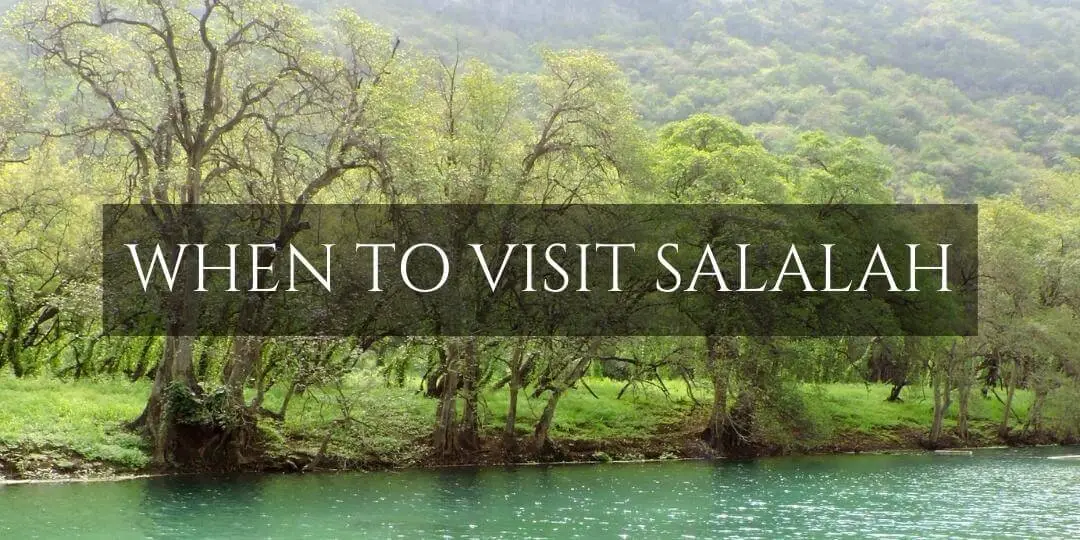
Salalah’s climate is primarily defined by two distinct seasons, heavily influenced by the annual Indian Ocean monsoon. The most celebrated period is the Khareef season (roughly late June to early September), when the southwest monsoon brings persistent drizzle, mist, and cooler temperatures. This transforms the landscape into a breathtaking, fog-draped spectacle of waterfalls and greenery – a phenomenon unique in the Arab world. Outside the Khareef, Salalah experiences a warm, sunny winter (October to March) with minimal rain, pleasant daytime temperatures, and cooler evenings, ideal for sightseeing and beaches. The pre-monsoon months (April to early June) are the hottest and driest, while the immediate post-Khareef period (late September) sees the landscape still verdant but drying rapidly. Recognising these seasonal variations in Salalah is key to planning. Factors like humidity levels, coastal breezes, and mountain microclimates also play significant roles in the overall visitor experience and trip enjoyment. Understanding when to travel to Salalah Oman hinges on whether you prioritise the ethereal monsoon magic, perfect beach conditions, or avoiding crowds.
Khareef Season: Salalah’s Monsoon Magic
The Khareef season is Salalah’s crown jewel, attracting visitors region-wide. Running typically from late June until early September, this period sees the Dhofar mountains intercept moisture-laden winds, resulting in near-constant light rain, dense fog, and dramatically cooler temperatures (often 20-25°C). The parched landscape undergoes a miraculous metamorphosis: valleys like Wadi Darbat overflow, countless temporary waterfalls cascade down cliffs, and the hills blaze vibrant green. This unique microclimate creates an atmosphere akin to tropical highlands or the Scottish Highlands, utterly unique in Arabia. While iconic, Khareef brings challenges: persistent mist can obscure panoramic views, roads can be slippery, and popular spots get extremely crowded, especially during Omani and GCC holidays. Accommodation prices peak, and booking well in advance is essential. Despite this, the sheer spectacle of the monsoon in Salalah is unforgettable. It’s the prime Salalah travel season for nature lovers and photographers seeking that iconic, misty green vista. If you crave this unique natural phenomenon, Khareef is unequivocally the best time to visit Salalah, but be prepared for the conditions and crowds.
Salalah Month-by-Month: Weather & Travel Conditions
-
January-March: Pleasant winter. Warm, sunny days (25-28°C), cool nights (17-20°C), very low rainfall. Ideal for sightseeing, beaches, desert trips. Low humidity. Optimal period for comfort and avoiding crowds post-Khareef. Perfect Salalah climate for outdoor activities.
-
April-May: Pre-monsoon heat. Temperatures rise significantly (30-35°C+), humidity increases. Landscape dries out. Fewer tourists, lower prices. Best for travellers seeking quiet and tolerating heat, less ideal for strenuous hiking. Coastal Salalah remains more bearable.
-
June: Khareef begins. Temperatures drop (mid-20s°C), humidity spikes. Light rain starts, greenery emerges. Crowds build, especially late June. Atmosphere becomes unique. Good time for early monsoon experience before peak crowds.
-
July-August: Peak Khareef. Coolest months (low 20s°C), constant drizzle/mist, lush landscape, spectacular waterfalls. Highest humidity and tourist numbers (especially July for Omani holidays). Peak season for monsoon magic, but busiest and most expensive. Booking essential.
-
September: Khareef tapers off. Rain lessens, mist clears gradually (especially late Sept). Landscape remains green initially but starts drying. Temperatures rise slightly. Crowds diminish. Excellent transition month – potential for green scenery with improving visibility and fewer people.
-
October-December: Post-Khareef/Winter onset. Landscape dries to golden brown. Warm, sunny days return (28-32°C in Oct, cooling to 25-28°C in Dec), low humidity, minimal rain. Excellent sightseeing and beach weather. Ideal time for comfort and value before peak winter rates. Highly recommended period.
Top Attractions in Salalah & Their Optimal Visiting Times
1. Wadi Darbat
Wadi Darbat is the quintessential Khareef destination, a sprawling valley located approximately 40km northeast of Salalah city. During the dry months, it’s a scenic, wide valley with a slow-flowing river and grazing camels. However, come the Khareef season, it undergoes a magical transformation. The river swells dramatically, creating a vast, reflective lake. Lush grasses blanket the valley floor and hillsides, dense fog often swirls mysteriously, and numerous waterfalls, including the impressive Darbat Falls, cascade down the limestone cliffs. Boating on the lake becomes a popular activity. It’s a haven for birdlife and offers picnic spots amidst breathtaking scenery. The dramatic seasonal change here is unparalleled.
Key Highlights:
-
-
Spectacular waterfalls (especially during/after Khareef).
-
Expansive lake formed by monsoon rains.
-
Lush green meadows perfect for picnics.
-
Abundant birdwatching opportunities.
-
Boat rides offering unique valley perspectives.
-
Iconic grazing camels against a green backdrop.
-
Best Time to Visit Wadi Darbat:
The absolute best time to visit Salalah for Wadi Darbat is July and August during the peak Khareef. This is when the waterfalls are at their most powerful, the lake is fullest, and the greenery is most vibrant. However, expect significant crowds. Late June and September offer a very good compromise – the landscape is still beautifully green and hydrated, but visibility is often better as the mist clears more frequently, and crowds are noticeably smaller than the peak. Avoid the dry months (October-May) if seeing the iconic green, watery landscape is your priority.
2. Al Mughsail Beach & Marneef Cave (Blowholes)
Al Mughsail Beach is renowned for its stunning expanse of pristine white sand fringed by dramatic, black volcanic cliffs and lapped by turquoise waters of the Arabian Sea. Located west of Salalah, near the Yemeni border, it offers breathtaking sunset views. The key attraction alongside the beach itself is the Marneef Cave area and its spectacular natural blowholes (fumaroles). Seawater forced through fissures in the rocky platform creates powerful geyser-like sprays, especially dramatic during high tide and rougher seas. Walkways provide safe viewing. The cliffs offer panoramic vistas, and shaded picnic areas (khawrs) with palm trees dot the coastline.
Key Highlights:
-
-
Pristine, long stretches of white sandy beach.
-
Powerful natural blowholes at Marneef Cave.
-
Dramatic black volcanic rock formations.
-
Excellent sunset viewing points.
-
Shaded picnic spots (khawrs) amidst palm groves.
-
Frankincense trees growing along the cliffs.
-
Best Time to Visit Al Mughsail Beach:
The ideal Salalah climate for enjoying Al Mughsail Beach fully is during the winter months (October to April). During this period, temperatures are warm and pleasant (mid-20s°C), humidity is low, skies are reliably clear, and the sea is generally calmer, making swimming more enjoyable. While accessible year-round, the Khareef season (July-Sept) brings overcast skies, rougher seas (making swimming potentially hazardous), and persistent mist that can obscure views. However, the blowholes are often at their most powerful due to the monsoon swells. For beach relaxation and clear views, winter is the optimal visiting period.
3. Al Baleed Archaeological Park & Museum of the Frankincense Land
This UNESCO World Heritage site is a must-visit for history enthusiasts. Al Baleed Archaeological Park encompasses the substantial ruins of the ancient fortified port city of Zafar (8th-16th centuries AD), a crucial hub in the medieval frankincense trade network spanning the Indian Ocean. Explore the remnants of city walls, gates, residential quarters, and a significant mosque complex. Adjacent to the park, the state-of-the-art Museum of the Frankincense Land provides exceptional context. Its exhibits delve deep into Dhofar’s maritime history, the global significance of the frankincense trade, Salalah’s ancient civilisations, and Omani seafaring traditions, featuring artefacts, models, and interactive displays.
Key Highlights:
-
-
Impressive ruins of the ancient port city of Zafar.
-
Well-preserved sections of massive city walls and gates.
-
Remains of a large medieval congregational mosque.
-
World-class museum detailing frankincense trade history.
-
Beautifully landscaped park setting with water features.
-
Insight into Oman’s rich maritime heritage.
-
Best Time to Visit Al Baleed Archaeological Park:
As this is primarily an indoor/outdoor museum complex, it can be comfortably visited year-round. However, the best time to visit Salalah for spending extensive time exploring the outdoor ruins without discomfort is during the cooler, drier winter months (October to April). Daytime temperatures are pleasant for walking. During the hot summer months (May-June) and the humid Khareef season (July-Sept), the outdoor sections can be less comfortable due to heat or rain/mist. The air-conditioned museum offers respite anytime. Mornings or late afternoons are generally best outside winter.
4. Sultan Qaboos Mosque
Salalah’s Grand Mosque, officially named Sultan Qaboos Mosque, is a prominent landmark and a significant place of worship. While not as vast as its namesake in Muscat, it is impressively elegant and a vital centre for the local community. Visitors are welcome outside prayer times (especially mornings). Admire the beautiful Omani architectural style featuring clean lines, graceful arches, and a striking central dome flanked by twin minarets. The interior prayer hall is spacious and serene, adorned with intricate Islamic calligraphy, a magnificent chandelier, and high-quality Persian carpets. It offers a peaceful atmosphere for reflection.
Key Highlights:
-
-
Elegant modern Omani Islamic architecture.
-
Prominent central dome and twin minarets.
-
Spacious and serene main prayer hall.
-
Beautiful Islamic calligraphy and decorative elements.
-
Large, well-maintained courtyard and gardens.
-
Important community and religious centre.
-
Best Time to Visit Sultan Qaboos Mosque:
Visiting the mosque is feasible throughout the year as it primarily involves indoor viewing (exterior appreciation can be done quickly). Non-Muslim visitors are only permitted during specific non-prayer hours, typically in the morning (e.g., 8:00 AM – 11:00 AM, but check locally). For the most comfortable experience, especially if combining with other city sightseeing, the winter months (October to April) offer the most pleasant walking conditions. The hot summer (May-June) or humid Khareef (July-Sept) make daytime heat more intense, making early morning visits even more advisable. There’s no specific seasonal variation affecting the mosque itself.
5. Taqah Castle
Dominating the coastal town of Taqah, roughly 35km east of Salalah, this well-restored 19th-century fort offers a fascinating glimpse into regional history and traditional Omani architecture. Originally built to protect the town and its valuable frankincense trade routes, it later served as the residence for the local governor (Wali). Explore its sturdy walls, climb watchtowers for panoramic views over Taqah town, the coastline, and the surrounding plains, and wander through rooms showcasing traditional Omani life, weaponry, and furnishings. The restoration provides excellent insight into defensive structures and daily life in a Dhofari fort.
Key Highlights:
-
-
Excellent example of a restored Dhofari coastal fort.
-
Impressive watchtowers offering panoramic views.
-
Authentically furnished rooms depicting Omani life.
-
Displays of traditional weaponry and artefacts.
-
Insight into the region’s defensive history and governance.
-
Picturesque location overlooking Taqah town.
-
Best Time to Visit Taqah Castle:
Taqah Castle involves exploring both courtyards and interior rooms. The most comfortable period for visiting is during the winter season (October to April) when daytime temperatures are mild and humidity is low, making exploration of the fort’s levels and towers enjoyable. While the interior offers some respite, the summer heat (May-June) can make the visit strenuous. The Khareef season (July-Sept) brings cooler temperatures but also persistent mist and rain, which can obscure the otherwise excellent views from the towers. Clear winter days provide the best visibility and comfort, making it the recommended time.
6. Job’s Tomb (Nabi Ayoub)
Perched high in the scenic Jabal Al Qara mountains, approximately 40km north of Salalah, lies the revered site known as Nabi Ayoub or Job’s Tomb. It is believed by Muslims, Christians, and Jews to be the burial place of the Prophet Ayoub (Job), renowned for his patience and faith during immense suffering. The site holds significant religious importance and attracts pilgrims. The tomb itself is housed within a simple, whitewashed building. The surrounding mountain scenery is dramatic, offering breathtaking views over the plains below, especially striking during the Khareef season when the valleys turn green. The drive up the mountain road is an experience in itself.
Key Highlights:
-
-
Serene and spiritually significant pilgrimage site.
-
Stunning panoramic mountain views.
-
Dramatic drive through the Jabal Al Qara escarpment.
-
Unique perspective on the Dhofar landscape transformation (especially Khareef).
-
Peaceful and contemplative atmosphere.
-
Cooler temperatures at higher altitude.
-
Best Time to Visit Job’s Tomb:
The site is accessible year-round, but the experience varies greatly. The absolute best time to visit Salalah for Nabi Ayoub is during the Khareef season (July-Sept). This is when the mountain scenery is lush green, waterfalls may be visible, and the cooler, misty atmosphere adds to the mystical ambiance. However, mountain roads can be slippery, and fog can sometimes reduce visibility. Outside Khareef, winter months (Oct-April) offer clear views and pleasant weather for the drive and visit, though the landscape is brown. Avoid the hottest part of the day in summer (May-June). The optimal visiting period for the iconic view is Khareef.
7. Sumhuram (Khor Rori)
Another UNESCO World Heritage site within the Land of Frankincense, Sumhuram is the remarkably well-preserved ruins of an ancient fortified port city strategically located at the mouth of Khor Rori creek. Primarily active from the 3rd century BC to the 5th century AD, it was a crucial hub for exporting Dhofar’s precious frankincense to the ancient world. Explore the excavated remains including imposing city walls, gates, temples, residential areas, storehouses, and inscriptions in the ancient South Arabian script (Musnad). The location offers stunning views over the Khor (creek) lagoon, a haven for birdlife, and the Arabian Sea beyond. The site vividly illustrates the significance of the frankincense trade.
Key Highlights:
-
-
Exceptionally preserved ancient frankincense trading port.
-
Impressive fortified walls and gate complex.
-
Ancient South Arabian inscriptions.
-
Stunning location overlooking Khor Rori lagoon.
-
Important UNESCO World Heritage site.
-
Rich birdlife in the surrounding khawr.
-
Best Time to Visit Sumhuram:
As an archaeological site involving significant outdoor exploration, the best time to visit Salalah for Sumhuram is during the cooler, drier months from October to April. Temperatures are pleasant for walking around the ruins and appreciating the panoramic views without the discomfort of intense heat or high humidity. The hot summer (May-June) can be very challenging due to the exposed location. While accessible during the Khareef season (July-Sept), the persistent mist and rain can obscure the stunning views across the lagoon and towards the sea, significantly diminishing the experience. Winter offers clear skies and comfortable conditions.
8. Ayn Razat
Nestled in the foothills of the Jabal Al Qara, Ayn Razat is a tranquil public garden complex centred around a natural freshwater spring. It’s a popular spot for locals and visitors seeking respite, especially during warmer months. Lush lawns, colourful flowerbeds, and numerous large shade trees create a cool oasis. The spring water feeds picturesque streams and pools. Facilities include shaded picnic areas, children’s play areas, and basic cafes. While the spring flow diminishes outside Khareef, the gardens remain well-maintained and green year-round thanks to irrigation, offering a pleasant escape.
Key Highlights:
-
-
Peaceful, cool oasis fed by a natural spring.
-
Beautifully landscaped gardens with lush lawns.
-
Shady picnic spots ideal for families.
-
Children’s playground facilities.
-
Gentle streams and water features.
-
Accessible location near Salalah city centre.
-
Best Time to Visit Ayn Razat:
Ayn Razat offers a pleasant retreat year-round due to its shaded gardens and cooler microclimate compared to the coastal plain. However, the spring and surrounding streams are naturally fullest and most impressive during and immediately after the Khareef season (July to October). The gardens are also at their lushest then. That said, the winter months (November to April) are arguably the most comfortable overall time to travel to Salalah Oman for enjoying extended picnics or relaxation in the gardens, with mild temperatures and low humidity. It remains a good escape even in the hot summer (May-June) due to the shade. For peak garden vibrancy and water flow, target late Khareef or early post-Khareef (Sept-Oct).
9. Ayn Athum (Athub) Waterfall
Ayn Athum is one of Salalah’s most accessible and captivating waterfalls, located in the eastern part of the Dhofar mountains. While it can dwindle significantly or even dry up completely during the long dry season (Oct-May), it transforms into a powerful and beautiful cascade during the Khareef monsoon. Water plunges down a sheer rock face into a pool below, surrounded by verdant vegetation. A viewing platform provides a safe and excellent vantage point. The drive to the waterfall offers scenic views of the mountain landscape, especially dramatic when cloaked in monsoon mist and green. Its accessibility makes it very popular during peak season.
Key Highlights:
-
-
Impressive waterfall active primarily during Khareef.
-
Easily accessible viewing platform.
-
Surrounded by lush green monsoon vegetation.
-
Scenic mountain drive to reach the site.
-
Iconic symbol of Salalah’s seasonal transformation.
-
Refreshing mist and cool atmosphere near the falls.
-
Best Time to Visit Ayn Athum Waterfall:
The only worthwhile time to visit Ayn Athum specifically to see the waterfall is during the Khareef season, roughly July to September. This is when the rains feed it, creating the dramatic cascade. Outside this period, especially from late autumn through spring (October-May), the waterfall is typically reduced to a trickle or is completely dry, and the visit holds little appeal. For the full spectacle, aim for peak Khareef (July-Aug), but be prepared for crowds and potentially foggy conditions. It’s a prime example of timing being critical for specific natural attractions – truly only visible at the best time to visit Salalah for waterfalls.
10. Tawi Atair Sinkhole (Well of Birds)
Venture deep into the limestone plateau of Jabal Al Qara to discover Tawi Atair, a colossal natural sinkhole plunging over 200 meters deep. Known as the “Well of Birds,” it historically served as a vital water source and is famed for the thousands of swifts and other birds that circle its rim and nest within its sheer walls, particularly at dawn and dusk. A viewing platform provides a safe vantage point to gaze into the astonishing abyss and observe the avian spectacle. The surrounding arid landscape offers a stark contrast to the sinkhole’s depth. The drive itself traverses interesting geology.
Key Highlights:
-
-
Breathtakingly deep natural limestone sinkhole.
-
Spectacular bird watching (especially swifts at dawn/dusk).
-
Unique geological formation.
-
Impressive viewing platform over the abyss.
-
Stark, dramatic desert plateau surroundings.
-
Historically significant water source.
-
Best Time to Visit Tawi Atair Sinkhole:
Tawi Atair is accessible and impressive year-round, as its geological scale isn’t season-dependent. However, the optimal bird activity occurs throughout the day, though dawn/dusk are peak. For the most comfortable visiting conditions, the winter months (October to April) are ideal, with pleasant daytime temperatures making the drive and viewing enjoyable. The hot summer (May-June) can be harsh due to the exposed desert location. The Khareef season (July-Sept) brings cooler temperatures but also the risk of fog and mist rolling over the plateau, which can completely obscure the view into the sinkhole. Clear winter days offer the best visibility and comfort.
11. Mirbat
Once the ancient capital of Dhofar and a major hub for the frankincense trade and fishing, the historic coastal town of Mirbat, located about 70km east of Salalah, offers a glimpse into a quieter Omani past. Stroll through the old quarter to see traditional Dhofari houses with distinctive wooden balconies and intricate carvings. Key landmarks include the picturesque Bin Ali’s Tomb with its twin domes and the restored Mirbat Fort, offering views over the old harbour and coastline. The harbour itself is still active with colourful fishing boats. It’s significantly less developed than Salalah, offering an authentic, laid-back atmosphere.
Key Highlights:
-
-
Historic old town with traditional Dhofari architecture.
-
Picturesque Bin Ali’s Tomb.
-
Restored Mirbat Fort overlooking the harbour.
-
Active fishing harbour with colourful boats.
-
Authentic, less touristy Omani coastal town vibe.
-
Nearby beaches and potential for turtle nesting (seasonal).
-
Best Time to Visit Mirbat:
Mirbat is best explored on foot around the old town and fort, making pleasant weather crucial. The best time to visit Salalah for a comfortable Mirbat exploration is undoubtedly the winter season (October to April), with mild, sunny days and low humidity. This allows for enjoyable walking and clear views. The summer heat (May-June) can be oppressive. The Khareef season (July-Sept) brings cooler air but also overcast skies, rain, and mist, which can dampen the experience and obscure coastal views. Winter provides the ideal balance of comfort and clarity for appreciating Mirbat’s historic charm. Turtle nesting on nearby beaches (if accessible) typically occurs July-October, but sightings are not guaranteed.
12. Frankincense Souks (Al Husn Souk)
No visit to Salalah, the historic heart of the global frankincense trade, is complete without experiencing its aromatic souks. The main Frankincense Souk (often referred to as Al Husn Souk, located near the Al Husn Palace) is the focal point. Wander through stalls overflowing with fragrant lumps of raw frankincense resin (luban) in various grades (Hojari being the finest and most expensive), alongside myrrh, traditional Omani incense burners (mabkhara), attars (perfumed oils), spices, local handicrafts, and souvenirs. The air is thick with the distinctive, warm, woody scent. It’s a sensory journey and a place to learn about, smell, and purchase this legendary commodity.
Key Highlights:
-
-
Immersive sensory experience filled with the scent of frankincense.
-
Wide variety of frankincense resin grades (Hojari, Najdi, etc.).
-
Traditional Omani incense burners and pots.
-
Attars (perfume oils), spices, and local handicrafts.
-
Opportunity to learn about and purchase this legendary trade good.
-
Authentic market atmosphere.
-
Best Time to Visit Frankincense Souks:
The souks are covered market areas, making them a viable activity any time of year. However, the most pleasant time to browse comfortably, especially if combining with exploring the surrounding Al Hafa area or city centre, is during the cooler winter months (October to April). The summer heat (May-June) and the high humidity of the Khareef season (July-Sept) can make wandering the narrow alleys less comfortable. Mornings are generally quieter and cooler regardless of season. As an indoor/covered experience, it doesn’t have a strict seasonal peak, but comfort is highest in winter.
Planning Your Trip: Final Considerations for the Best Time to Visit Salalah
Choosing the best time to visit Salalah ultimately depends on your personal priorities:
-
For the Unique Khareef Magic (Lush Green & Waterfalls): Target July & August (peak). Accept crowds, mist, humidity, and higher prices as part of the experience. Book everything far in advance.
-
For Ideal Sightseeing & Beach Weather: Choose October to April (Winter). Enjoy warm sunshine, comfortable temperatures, low humidity, clear skies, and fewer crowds (except Dec/Jan holidays). Best all-round comfort.
-
For Value & Good Conditions: Consider the “Shoulder Seasons” – Late September/Early October (post-Khareef, still some green, improving weather, fewer crowds) or March/April (pleasant before summer heat).
-
Avoid Peak Heat & Humidity: May and June are the hottest, driest, and often most humid months before the Khareef cools things down. Least comfortable for extensive outdoor activities.
-
Book Early for Khareef: Flights and hotels fill up months ahead, especially July.
-
Pack for the Season: Light layers + rain jacket/mist protection for Khareef; sun protection always; warmer layers for winter evenings.
-
Respect Local Culture: Dress modestly, especially when visiting religious sites or souks.
-
Hire a 4×4: Essential for exploring mountain tracks safely, especially during Khareef when roads can be slippery.
-
Embrace Flexibility: Weather, especially Khareef mist, can alter plans. Have backup indoor options.
Salalah offers a uniquely diverse experience within Arabia. By understanding its distinct seasons and aligning your visit with the best time to visit Salalah for your desired activities – whether chasing waterfalls in the misty highlands, lounging on sun-drenched beaches, or exploring ancient frankincense ports – you’ll unlock the magic of Dhofar at its finest. Careful planning ensures your Omani adventure in this captivating southern gem is truly unforgettable.